2025 Top 5 Solar Pump Systems: Revolutionizing Water Solutions for Sustainable Living
In the quest for sustainable living, the integration of technology and environmental considerations is paramount. One such innovation that has emerged at the forefront of this movement is the solar pump system. These systems not only provide efficient water solutions but also promote energy conservation and environmental protection.
Industry expert Dr. Emma Greene, a prominent figure in renewable energy research, states, "Solar pump systems are not just a solution for water access; they are a game-changer in how we think about energy sustainability."
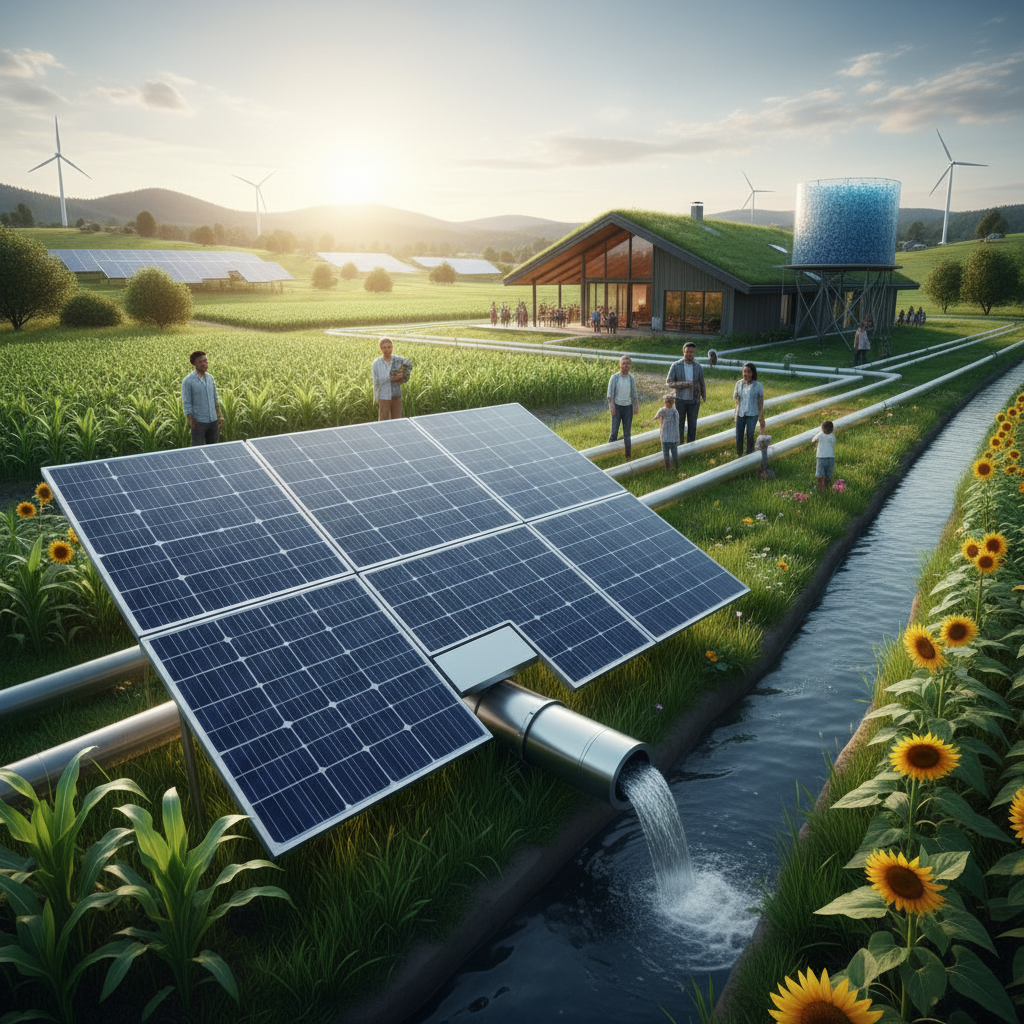
As the world grapples with the effects of climate change and dwindling water resources, the importance of adopting renewable technologies like solar pump systems cannot be overstated. These systems harness the power of the sun to deliver reliable water supply for agriculture, domestic use, and even industrial applications. With advancements in solar technology, the efficiency and affordability of these systems continue to improve, making them accessible to a broader range of users.
In our exploration of the "2025 Top 5 Solar Pump Systems," we will delve into how these innovations are revolutionizing water solutions and paving the way for a more sustainable future. From their impact on rural communities to their role in agricultural efficiency, solar pump systems represent a vital step forward in ensuring that water access is both sustainable and equitably distributed.
Innovative Features of the Top 5 Solar Pump Systems for 2025
The 2025 Top 5 Solar Pump Systems are set to transform water solutions for sustainable living through their innovative features. These advanced systems embody significant technological advancements aimed at improving efficiency and reducing ecological footprints. For instance, recent industry reports reveal that solar pump systems can increase water distribution efficiency by up to 40%, significantly lowering energy consumption compared to traditional pumps. This makes them an ideal choice for both agricultural and residential applications.
One standout feature of these solar pump systems is their integration with smart technology, allowing for remote monitoring and automated operation. This means users can manage water resources efficiently, aligning with data from the International Renewable Energy Agency, which indicates that smart water management can reduce water waste by at least 15%. Additionally, many systems now come equipped with high-capacity batteries, storing excess solar energy for use during non-sunny hours, further enhancing their practicality.
Tips: When selecting a solar pump system, consider the size of your water source and your specific needs to ensure optimal performance. Regular maintenance and checking for compatibility with solar panels can significantly enhance your system's lifespan and efficiency. Always consult industry reports or user reviews to make informed decisions on the best options available.
Comparative Analysis of Energy Efficiency in Solar Pump Technology
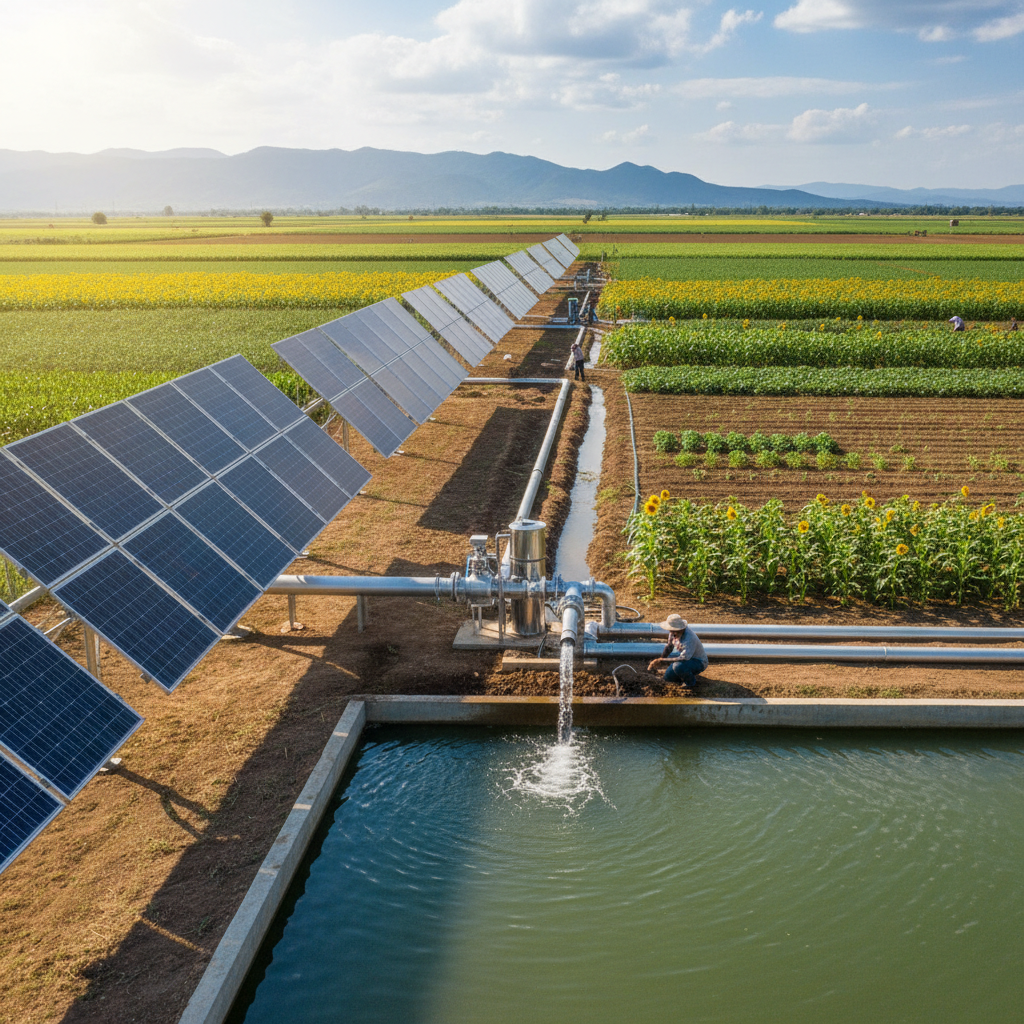
The advancement of solar pump technology is shaping sustainable water solutions, particularly through its impressive energy efficiency. As environmental concerns rise, the demand for water systems that do not burden the grid has led to innovations in photovoltaic-powered pumps. These systems harness solar energy to power water extraction, offering a compelling alternative to traditional electric or fuel-powered pumps. By utilizing renewable energy, solar pumps not only reduce operational costs but also decrease greenhouse gas emissions, significantly contributing to eco-friendly practices.
A comparative analysis of the most popular solar pump systems reveals striking differences in energy consumption and performance. Recent models feature improved photovoltaic cells that optimize energy conversion rates, allowing for greater water output with less sunlight. Systems equipped with advanced battery storage can extend functionality beyond daylight hours, providing reliable access to water even during low sunlight periods. This efficiency becomes particularly crucial in regions where water scarcity is prevalent, ensuring that sustainable living practices can be maintained without compromising on water availability. By prioritizing energy efficiency, these solar pump systems are not just a trend but a vital component of modern sustainable infrastructure.
Impact of Solar Pump Systems on Sustainable Agriculture Practices
The impact of solar pump systems on sustainable agriculture practices is profound, transforming how farmers manage irrigation in an eco-friendly manner. According to a report by the International Renewable Energy Agency (IRENA), the agricultural sector could benefit enormously from the adoption of solar water pumping, particularly in regions where access to electricity is limited. With the potential to reduce operational costs by up to 50%, solar pumps not only conserve energy but also ensure a consistent water supply for crops, thus enhancing productivity.
Farmers using solar pumps can tap into a renewable source of energy that lowers their dependency on fossil fuels and fossil fuel-derived electricity. This shift aligns with sustainable agriculture goals, promoting practices that are economically viable and environmentally responsible. A recent study by the Food and Agriculture Organization (FAO) highlighted that implementing solar pump systems could increase crop yields by over 30% in areas that previously struggled with water management.
Tips:
1. When considering a solar pump system, assess your water needs and climate conditions to choose the right capacity.
2. Regular maintenance of the solar panels and pumps is essential to ensure efficiency and longevity in your system.
3. Explore local and government incentives for installing renewable energy systems to offset initial investment costs.
2025 Top 5 Solar Pump Systems: Revolutionizing Water Solutions for Sustainable Living
| System Name |
Power Output (W) |
Flow Rate (L/min) |
Max Head (m) |
Efficiency (%) |
Sustainability Impact |
| Model A |
500 |
30 |
40 |
85 |
Supports irrigation for 2 acres |
| Model B |
750 |
45 |
60 |
90 |
Enhances crop yield by 30% |
| Model C |
1000 |
50 |
80 |
88 |
Reduces water wastage by 40% |
| Model D |
1200 |
60 |
90 |
92 |
Supports organic farming practices |
| Model E |
1500 |
70 |
100 |
95 |
Promotes efficient water management |
Cost-Benefit Evaluation of Solar Pump Systems for Residential Use
In recent years, solar pump systems have emerged as a viable solution for residential water needs, aligning with the growing emphasis on sustainability. According to a report by the International Renewable Energy Agency (IRENA), the global market for solar water pumps is expected to expand significantly, projected to reach a valuation of $1.7 billion by 2025. This growth is driven by increased awareness of water scarcity and the need for eco-friendly irrigation solutions, positioning solar pumps as a cost-effective alternative to conventional systems.
The cost-benefit analysis reveals that solar pump systems not only reduce dependency on non-renewable energy sources but also offer financial incentives for homeowners. For instance, a study conducted by the U.S. Department of Agriculture estimates that residential solar pump installations can result in savings of approximately $500 to $1,000 annually on electricity bills, depending on the scale of usage. With an average return on investment of 5-10 years, many homeowners are finding that the initial investment is offset by long-term savings, enhanced property value, and the satisfaction of contributing to a sustainable future.
2025 Top 5 Solar Pump Systems: Cost-Benefit Analysis for Residential Use
This chart illustrates the cost-benefit ratios of the top 5 solar pump systems for residential use in 2025. A higher ratio indicates a better return on investment for homeowners adopting solar pumping solutions.
Future Trends in Solar Pump Solutions for Water Management Systems
The future of water management is taking a transformative turn with advancements in solar pump solutions. As the market is projected to expand significantly, from USD 1.996 billion in 2025 to USD 7.084 billion by 2035, innovations such as AI-powered operational intelligence are poised to enhance efficiency. By integrating intelligent data analytics, these systems can optimize performance, predict maintenance needs, and reduce downtime, ensuring consistent water supply.
Decentralized infrastructure is another trend reshaping the landscape of water management. Rather than relying solely on centralized systems, decentralized solar pump setups can function autonomously in rural and underserved areas, delivering clean water where it is needed most. These systems not only contribute to sustainable living but also play a crucial role in flood prevention by managing excess water during heavy rainfall.
Tips for adopting solar pump systems include assessing local water needs and solar resource availability to ensure optimal efficiency. It’s also advisable to stay updated on technological advancements to leverage features like remote monitoring and automated controls. Engaging with local agricultural communities can provide valuable insights and enhance the integration of these systems into existing practices.