Top 10 Benefits of Solar Pumps for Sustainable Water Solutions
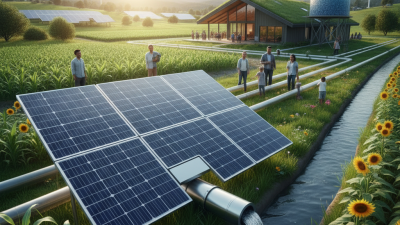
As the world grapples with the challenges of sustainable water management, solar pumps have emerged as a promising solution. These innovative systems harness the abundant energy of the sun to provide water for agriculture, livestock, and drinking, making them an ideal option for regions where electricity access is limited or unreliable. According to Dr. Emily Carter, a leading expert in renewable energy technologies, “Solar pumps not only reduce dependency on fossil fuels but also empower communities by providing clean water with minimal environmental impact.”
The benefits of solar pumps extend beyond just sustainability—they also offer economic advantages by lowering operational costs and reducing maintenance needs compared to traditional diesel or electric pumps. Additionally, with the increasing availability and affordability of solar technology, more communities are finding it feasible to implement solar pumps, thus improving water access in remote areas. As we explore the top ten benefits of solar pumps for sustainable water solutions, it becomes clear that these systems are not just a technological advancement but a vital resource for building resilient and self-sufficient communities.
Advantages of Solar Pumps in Water Management Systems
Solar pumps are revolutionizing water management systems, offering numerous advantages for sustainable water solutions. One of the key benefits is their eco-friendliness. According to a report published by the International Renewable Energy Agency (IRENA), solar pumps can significantly reduce carbon emissions compared to traditional diesel-powered pumps. This shift not only aids in mitigating climate change but also promotes cleaner air and healthier communities. Furthermore, solar pumps operate on renewable energy, ensuring a sustainable water supply even in remote areas where conventional power sources are unavailable.
The economic advantages are also notable. A study from the World Bank revealed that solar irrigation systems can reduce operational costs by up to 80% compared to conventional pumps. This cost efficiency makes them an attractive option for farmers and water managers looking to enhance productivity without incurring heavy expenses. Additionally, solar pumps require minimal maintenance, leading to lower long-term costs and increased reliability.
Tip: When considering solar pumps, evaluate the initial installation costs versus long-term savings. Calculate potential reductions in fuel costs and maintenance to fully understand the financial benefits.
Moreover, solar pumps can contribute to improved water management practices. Their ability to provide consistent and reliable water supply helps in enforcing sustainable agricultural practices, as highlighted in a report by the Food and Agriculture Organization (FAO). As farmers adopt these technologies, they often see increased crop yields and better resource utilization, leading to enhanced food security and livelihood resilience.
Tip: Engage with local agricultural extension services to learn how you can integrate solar pump technology effectively within existing water management frameworks for optimal results.
Cost Savings through Solar Pump Implementation
The implementation of solar pumps offers significant cost savings, particularly in regions where traditional electricity or fuel resources are scarce or expensive. According to a report by the International Renewable Energy Agency (IRENA), solar pumping systems can lead to savings of up to 80% on energy costs compared to conventional diesel pumps. This transition not only enhances economic efficiency but also reduces reliance on fossil fuels, contributing to sustainable development goals.
In addition to the initial cost reduction, solar pumps require minimal maintenance, which further decreases operational expenses. A study from the World Bank highlights that the average maintenance cost for solar-powered systems is less than half that of diesel pumps. By adopting solar technology, agricultural and water management sectors can secure long-term financial benefits while ensuring a reliable water supply.
**Tips:** When considering the switch to solar pumps, evaluate your water needs and local solar resources. A comprehensive site assessment can help determine the optimal system size for maximum efficiency. Additionally, exploring government incentives or subsidies for renewable energy projects can further enhance cost savings, making the transition to solar technology even more advantageous.
Environmental Impact and Sustainability of Solar Pumps
Solar pumps offer a sustainable solution to water management by harnessing the power of the sun, significantly reducing reliance on traditional energy sources. Their operation is based on photovoltaic technology, which converts sunlight into electricity to power water pumps. This not only minimizes greenhouse gas emissions but also reduces the carbon footprint associated with water extraction and distribution. By employing solar pumps, communities can effectively combat water scarcity while promoting environmental stewardship.
The sustainability of solar pumps extends beyond their energy efficiency; they can be utilized in remote and off-grid areas where conventional power sources are impractical. This adaptability ensures that these communities have access to clean water without contributing to environmental degradation or resource depletion. Additionally, solar pumps have low maintenance requirements and long operational lifespans, which further enhances their appeal as a sustainable water solution.
By integrating solar-powered systems into agricultural practices and municipal water supplies, societies can achieve greater resilience to climate change while supporting sustainable development goals.
Increased Accessibility to Water Sources via Solar Technology
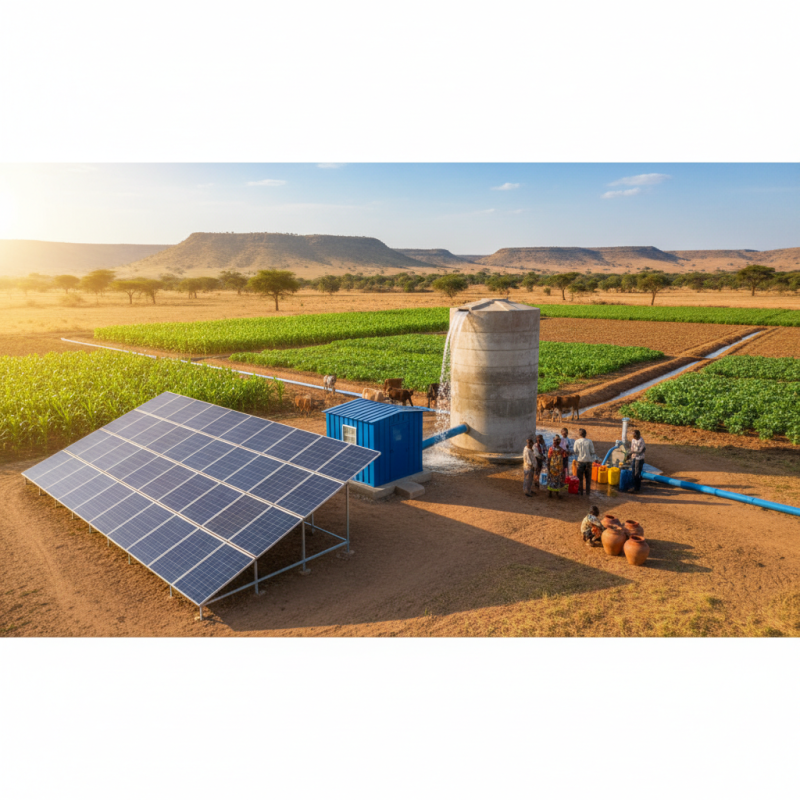
The integration of solar technology into water supply systems has transformed access to water sources, particularly in remote and underserved areas. Solar pumps utilize renewable energy from the sun to draw water from the ground, providing a sustainable solution for communities that often struggle with traditional water supply methods. This technology not only reduces dependence on fossil fuels but also minimizes the carbon footprint associated with water extraction, making it an eco-friendly alternative.
Moreover, solar pumps can be set up in various locations without the need for a reliable electricity grid, allowing for greater flexibility in water sourcing. This accessibility is especially crucial in agricultural regions where consistent water supply is vital for crop irrigation. By leveraging solar energy, these pumps ensure that farmers have the water they need, when they need it, thereby enhancing food security and supporting economic stability in rural areas. Consequently, the increased accessibility to water sources through solar technology stands as a key benefit in promoting sustainable water solutions, fostering both environmental health and community resilience.
Reliability and Low Maintenance of Solar Pump Systems
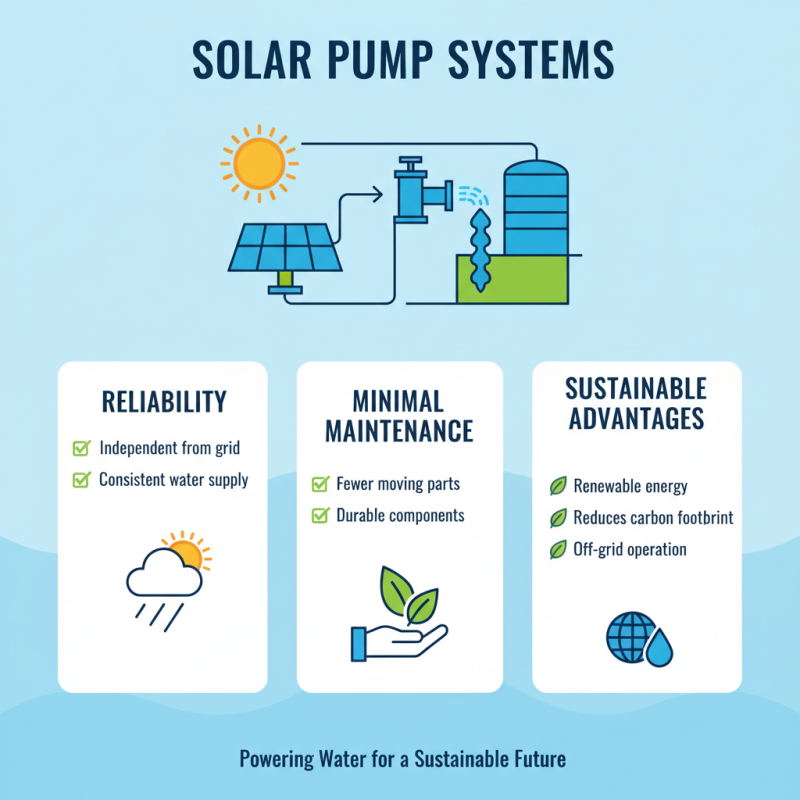
Solar pump systems offer unparalleled reliability and require minimal maintenance, making them ideal for sustainable water solutions. Unlike traditional electric pumps that rely on the grid, solar pumps harness renewable energy from the sun. This independence from conventional power sources means that they can operate in remote locations without the need for extensive infrastructure. The durability of solar panels and pump components is another significant advantage, as they are designed to withstand various weather conditions, ensuring consistent performance over time.
The low maintenance aspect of solar pump systems contributes significantly to their appeal. Most systems require little more than regular cleaning and occasional inspections to maintain optimal efficiency. Unlike mechanical engines, solar pumps have fewer moving parts, which reduces the likelihood of mechanical failures and the need for repairs. This translates into lower operating costs and less downtime, ensuring that water supply remains steady, even in challenging environments. As a result, solar pumps emerge as a practical solution for various applications, from agricultural irrigation to remote community water supplies, solidifying their role in a sustainable future.