

Why Are Treatment Pumps Essential for Efficient Water Management?
Effective water management is crucial in today’s world. Treatment pumps play a vital role in this process. They ensure efficient movement and treatment of water. According to Dr. Emily Carter, an expert in water systems, “Treatment pumps are the backbone of modern water management.” This highlights their significance clearly.
These pumps help regulate water flow. They handle different types of water, like wastewater and stormwater. By doing so, they improve safety and efficiency. However, not all systems are perfect. Many facilities struggle with outdated equipment. This increases costs and reduces reliability. The need for modern treatment pumps is evident.
Routine maintenance is another challenge. Neglecting this can lead to breakdowns. Moreover, finding suitable technology can be daunting. Decision-makers must weigh options carefully. Their choices directly impact sustainability and resource use. Treatment pumps should not be overlooked, even when the situation seems adequate. Investing in them can lead to long-term benefits.
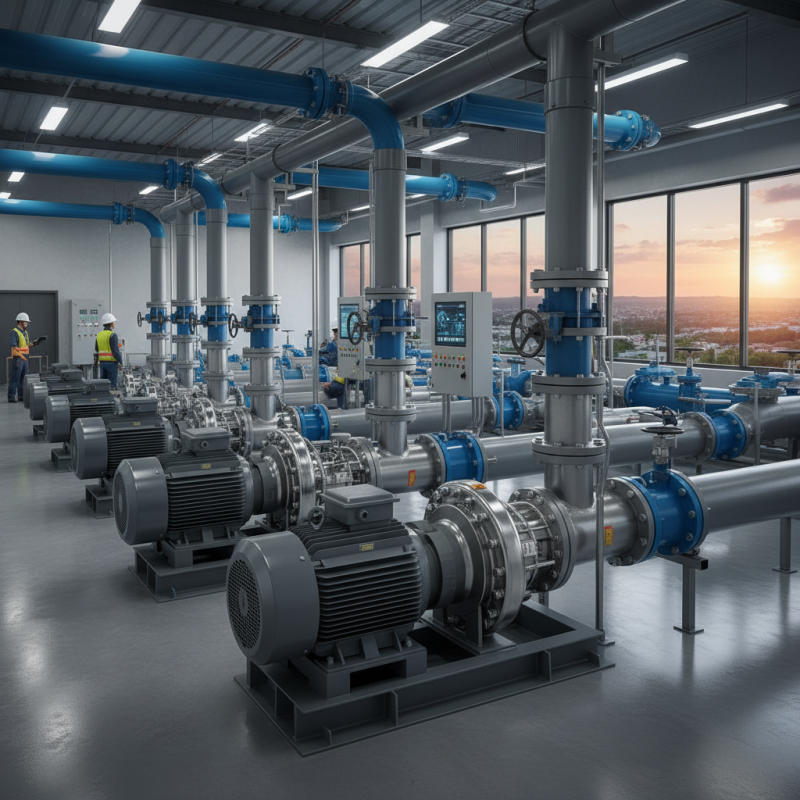
The Importance of Treatment Pumps in Modern Water Management
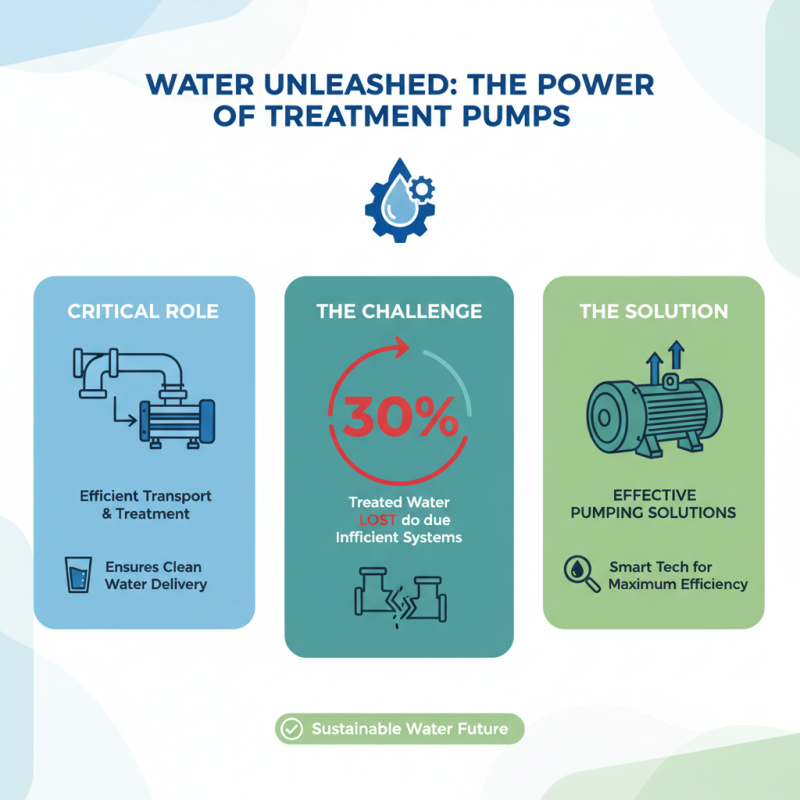
Treatment pumps play a critical role in modern water management. They ensure efficient transportation and treatment of water. According to recent industry reports, about 30% of treated water is lost due to inefficient systems. This highlights the need for effective pumping solutions.
With increasing urban populations, water demand rises. In 2020, a study indicated that treatment pumps could reduce operational costs by up to 25%. These pumps enable the recycling and reuse of water. They help meet stringent water quality standards. However, many facilities still struggle with outdated pump technology. Without upgrades, water losses will persist.
One concern is maintenance. A significant portion of treatment plant failures results from neglect. Regular checks can prevent issues and ensure efficiency. The challenge lies in balancing costs with the necessity for performance. As water scarcity increases, the role of treatment pumps will become even more crucial.
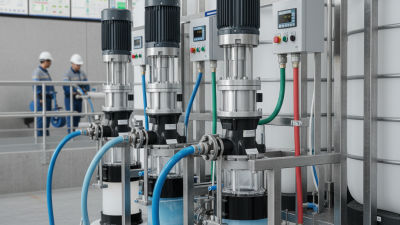
Types of Treatment Pumps Used in Water Management Systems
Treatment pumps play a vital role in water management systems. They ensure consistent flow rates and effective treatment. Different types of treatment pumps serve various purposes. Submersible pumps are commonly used in wastewater management. They are efficient at moving water from low to high areas.
Positive displacement pumps, on the other hand, excel in precise pumping. They meter fluids accurately, which helps in chemical dosing. Centrifugal pumps are also popular, especially for clean water applications. They operate effectively at different flow rates. Though they are widely used, improper sizing can lead to issues. Using the wrong pump can cause inefficiencies.
In addition, there are diaphragm pumps. They are excellent for slurries or viscous fluids. They can handle solid particles without clogging. However, their maintenance can be challenging. Regular inspections are essential to avoid breakdowns. Each type of pump has its strengths and weaknesses. Understanding these can help in making informed decisions.
How Treatment Pumps Improve Efficiency in Water Distribution
Treatment pumps play a vital role in improving the efficiency of water distribution systems. According to the Water Environment Federation, inefficient water management can lead to losses of up to 30% of treated water. This inefficiency significantly impacts both costs and resources. Treatment pumps help mitigate this issue by ensuring the consistent flow and pressure of water throughout the distribution network.
Efficient pumps reduce energy consumption and operational costs. They also minimize downtime and maintenance issues, leading to more stable water supply systems. Data shows that modern treatment pumps can achieve an energy efficiency of up to 85%. This means lower electricity bills and a smaller carbon footprint for water utilities.
Tips: Regular maintenance checks can significantly extend the lifespan of treatment pumps. Consider using advanced monitoring systems to track performance. Evaluate pump efficiency periodically to avoid costly inefficiencies.
Choosing the right treatment pump requires careful consideration. Factors like the pump’s capacity, energy consumption, and materials access often lead to complex decisions. Water authorities sometimes overlook these details, resulting in choices that fail to meet operational needs. Improving the selection process can help enhance overall system performance.
Impact of Treatment Pumps on Water Distribution Efficiency
Challenges and Solutions in Implementing Treatment Pumps
Treatment pumps play a critical role in effective water management. They ensure the consistent delivery of treated water across various systems. However, implementing these pumps presents unique challenges. One major issue is the initial setup cost. Many municipalities may struggle to fund these essential installations.
Another challenge is the maintenance of the pumps. Regular inspections and repairs are necessary to avoid breakdowns. Neglecting this aspect can lead to water quality issues. For instance, a faulty pump might allow contaminants into clean water supplies. This emphasizes the need for a proactive maintenance plan.
Training staff to operate these pumps can also pose difficulties. Technological advancements often outpace employee training. Inexperienced operators may not recognize early warning signs of malfunction. This can create additional risks for water safety. Addressing these challenges requires a committed approach to education and resources. Investing time and effort can lead to successful outcomes in water management.
Case Studies: Successful Water Management with Treatment Pumps
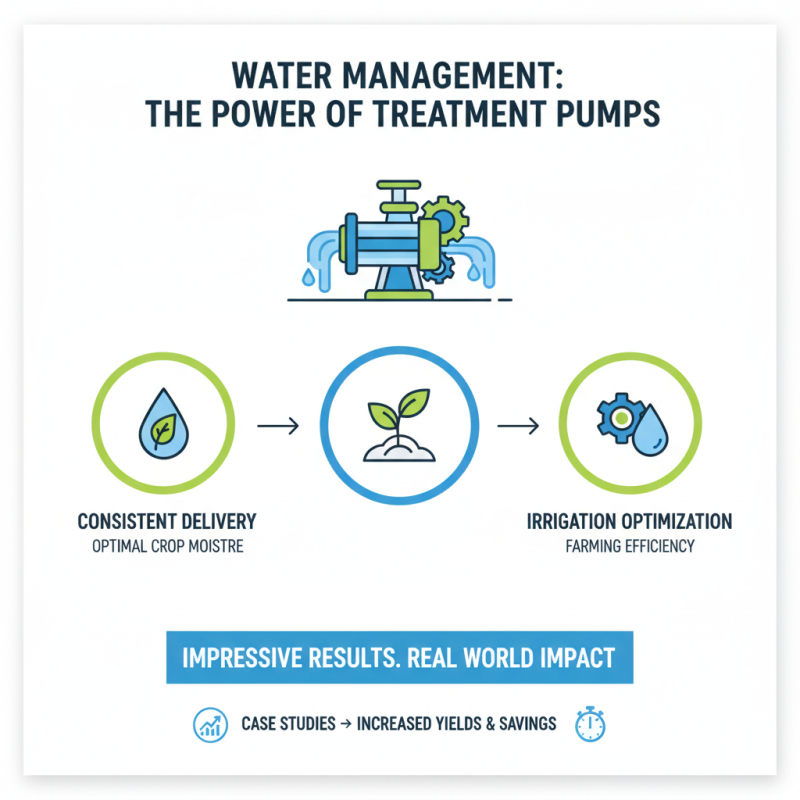
Treatment pumps play a crucial role in effective water management. They deliver water consistently, ensuring crops receive adequate moisture. In agricultural settings, farmers have used these systems to optimize irrigation. Case studies show impressive results.
In one instance, a local farm increased its yield by 25% after installing treatment pumps. The precision in water delivery allowed for tailored irrigation schedules. This adaptability leads to better resource use. However, some projects faced challenges. Initial costs were high, and maintenance could be tedious.
Another case highlighted a city using treatment pumps for stormwater management. With these pumps, the city reduced flooding during heavy rains. The system diverted water efficiently, minimizing damage. Yet, the experience showed the need for ongoing assessments. Inadequate training led to some operational hiccups. Continuous improvements can enhance future projects.
Related Posts
-
Why Chemical Pumps Are Essential for Efficient Water Treatment Solutions
-
What is the Functionality Behind Liquid Pumps in Modern Industries
-
Understanding the Different Types of Motor Pumps and Their Applications in Various Industries
-
2025 How to Choose the Best Pressure Pumps for Your Needs
-
5 Best Advantages of Diaphragm Pumps in Industrial Applications
-
7 Reasons Why Electric Diaphragm Pumps Are Your Top Choice for Efficient Fluid Management

Whether your solution requires a single pumping application or an expansive engineered system,
CheckPoint is committed to becoming your partner in excellence.