2025 How to Choose the Best Pressure Pumps for Your Needs
In the ever-evolving landscape of industrial equipment, the selection of pressure pumps has emerged as a critical factor in optimizing operational efficiency. According to a report by Market Research Future, the global pressure pump market is anticipated to reach over $10 billion by 2025, driven by increasing demand across sectors such as agriculture, construction, and water treatment. As companies strive to enhance productivity and reduce operational costs, the importance of choosing the right pressure pumps cannot be overstated.
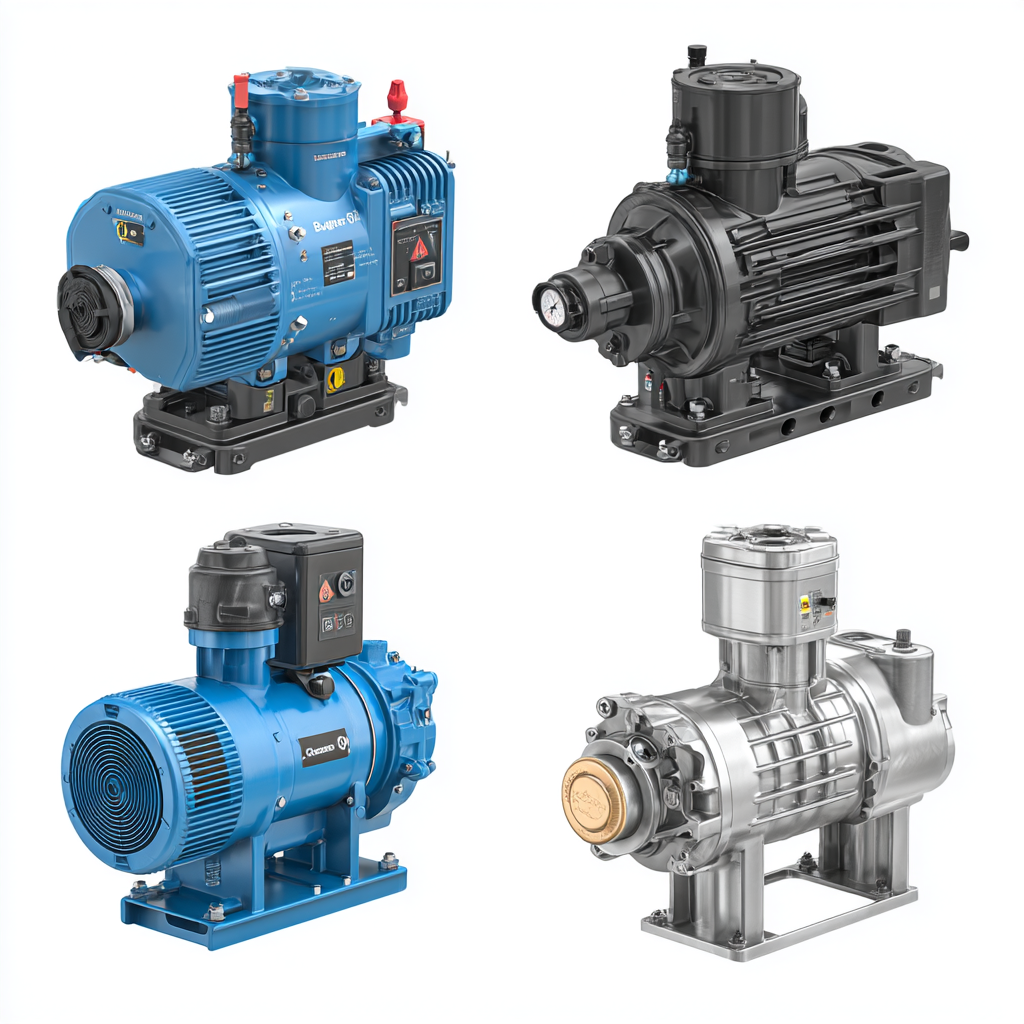
Industry expert Dr. Emily Carter, a leading consultant in hydraulic systems, emphasizes, "Selecting the appropriate pressure pump is essential for not just meeting operational demands but also achieving energy efficiency." This sentiment highlights the necessity for businesses to assess their specific needs carefully, taking into consideration factors such as flow rate, pressure requirements, and the nature of the fluids being pumped. As the market continues to expand and diversify, understanding the various types of pressure pumps available will be instrumental in making informed purchasing decisions.
Navigating the intricacies of pressure pump selection may seem daunting, but with the right information and expert guidance, users can confidently identify the best solutions tailored to their unique applications. This article aims to provide a comprehensive overview of the factors to consider when choosing pressure pumps, ensuring that users are well-equipped to enhance their operational frameworks efficiently and effectively.
Key Factors to Consider When Selecting Pressure Pumps for Specific Applications
When selecting pressure pumps for specific applications, several key factors must be considered to ensure optimal performance and efficiency. First, understanding the required pressure and flow rate is crucial. Different applications, such as irrigation, industrial processes, or residential use, demand varying specifications. Accurately determining these parameters will help in choosing a pump that meets your needs without overworking the system or leading to energy inefficiencies.
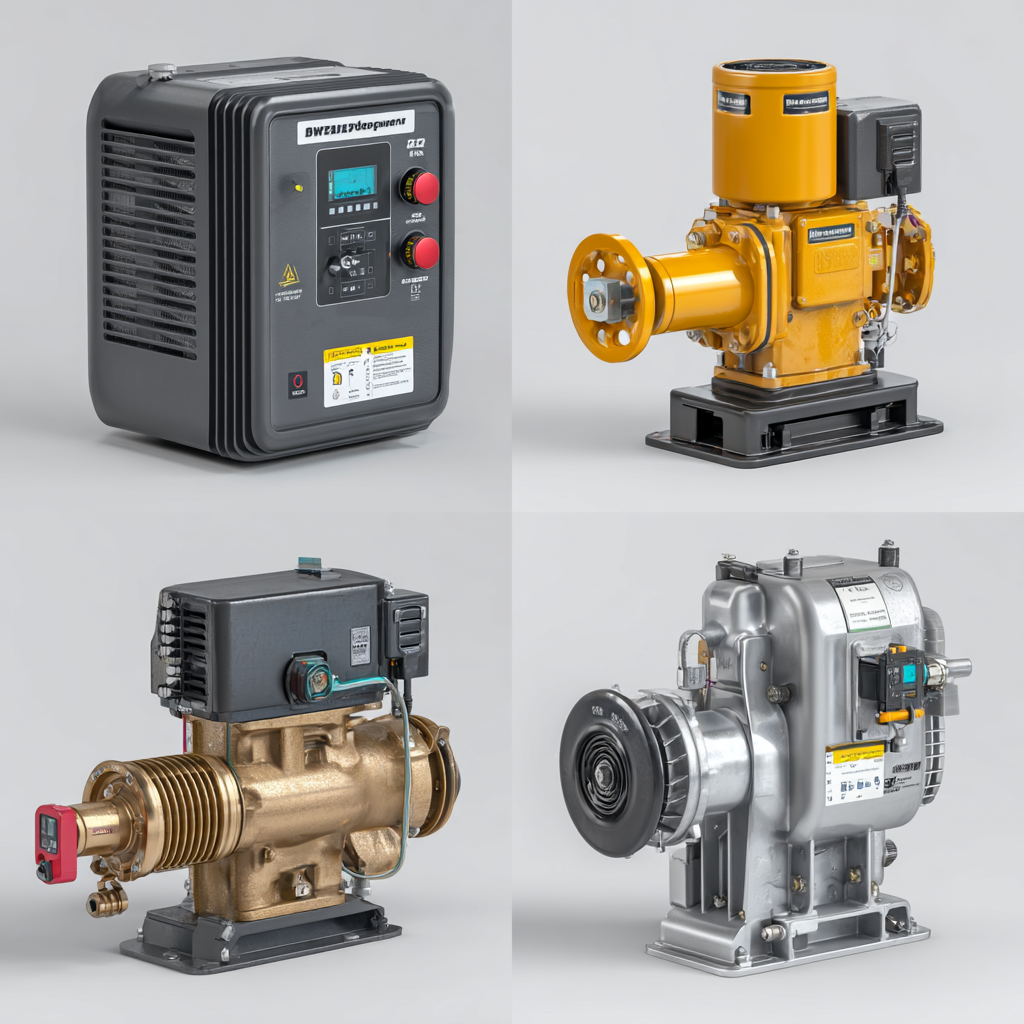
Another important aspect is the type of fluid being pumped. The chemical composition, viscosity, and temperature of the fluid can significantly impact the pump's material selection and overall design. Selecting a pump made from compatible materials can prevent corrosion, wear, and failure, thereby extending the lifespan of the pump. Additionally, the operating environment should be considered; whether the pump will be used indoors, outdoors, or in hazardous conditions will influence the type of pump and protective features required to ensure safety and reliability.
Understanding Different Types of Pressure Pumps and Their Uses
When choosing the best pressure pump for your needs, it’s essential to understand the different types available in the market and their specific applications. Centrifugal pumps, for instance, are perfect for continuous water flow applications, making them ideal for irrigation systems and water supply in buildings. Their ability to handle large volumes of fluid with ease makes them a popular choice for both residential and industrial use. However, they are less effective for applications that require high pressure at low flow rates.
On the other hand, positive displacement pumps, which include gear, diaphragm, and piston pumps, are designed to move fluids by trapping a fixed amount and forcing it into the discharge pipe. These pumps are suitable for situations where a precise flow rate is crucial, such as in chemical processing or food production. By understanding these key differences, you can ensure that the pressure pump you select will meet your specific operational requirements effectively.
2025 How to Choose the Best Pressure Pumps for Your Needs - Understanding Different Types of Pressure Pumps and Their Uses
| Type of Pressure Pump |
Common Uses |
Flow Rate (GPM) |
Pressure Range (psi) |
Power Source |
| Centrifugal Pump |
Irrigation, Water Transfer |
5-100 GPM |
30-150 psi |
Electric, Gas |
| Diaphragm Pump |
Chemical Transfer, Wastewater |
1-75 GPM |
50-200 psi |
Electric, Pneumatic |
| Submersible Pump |
Well Water, Farm Irrigation |
10-200 GPM |
30-100 psi |
Electric |
| Gear Pump |
Oil Transfer, Fuel Delivery |
1-60 GPM |
50-300 psi |
Electric, Hydraulic |
| Piston Pump |
Hydraulic Applications, High Pressure |
1-30 GPM |
100-500 psi |
Electric, Manual |
Evaluating Pump Performance Parameters: Flow Rate, Pressure, and Efficiency
When selecting the best pressure pumps for your needs, it is crucial to evaluate key performance parameters such as flow rate, pressure, and efficiency. The flow rate, usually measured in gallons per minute (GPM) or liters per minute (LPM), indicates the volume of fluid the pump can move. A higher flow rate is essential for applications that require rapid fluid transfer, while lower flow rates may suffice for tasks such as irrigation or household use. Understanding your specific flow rate requirements will help narrow down your options and ensure optimal performance.
Pressure, measured in pounds per square inch (PSI) or bars, is another vital parameter. It determines the force at which the fluid is delivered and is especially important in applications such as automotive maintenance or industrial cleaning, where high pressure is necessary to penetrate tough surfaces. Lastly, pump efficiency reflects how effectively a pump converts input power into hydraulic energy. Higher efficiency not only saves energy costs but also reduces operational wear and tear, leading to longer pump life. By carefully considering these parameters, you can choose a pump that meets your demands effectively and economically.
Budget Considerations: Finding Quality Pressure Pumps Within Your Price Range
When selecting a pressure pump, budget considerations are crucial. Understanding the price range that fits your needs is the first step toward finding the right solution. Pressure pumps can vary significantly in price based on their capacity, features, and brand reputation. For budget-conscious buyers, it’s essential to determine the specific requirements for your intended use, whether for residential or commercial applications. By identifying your needs, you can better evaluate which models will provide the best value without unnecessary expenditures.
Quality should never be compromised, even when working within a budget. Researching different brands and reading customer reviews can help you assess the reliability and performance of various pressure pumps. Look for products that offer warranties and customer support, as these factors can enhance your investment over time. Additionally, consider the total cost of ownership, which includes maintenance and operational costs, to ensure that you choose a pump that not only fits your budget but also meets your performance expectations. Balancing cost and quality will lead you to a pressure pump that serves your needs effectively.
Top Brands and Models: Recommendations for the Best Pressure Pumps of 2025
When selecting the best pressure pumps for your needs in 2025, it's essential to consider top brands and models backed by industry expertise. According to a recent report by MarketsandMarkets, the global pressure washer market is projected to reach $4.5 billion by 2025, growing at a CAGR of 3.7%. This growth is fueled by an increasing demand for high-performance cleaning solutions across residential and industrial sectors, highlighting the importance of choosing a reliable pump that meets specific requirements.
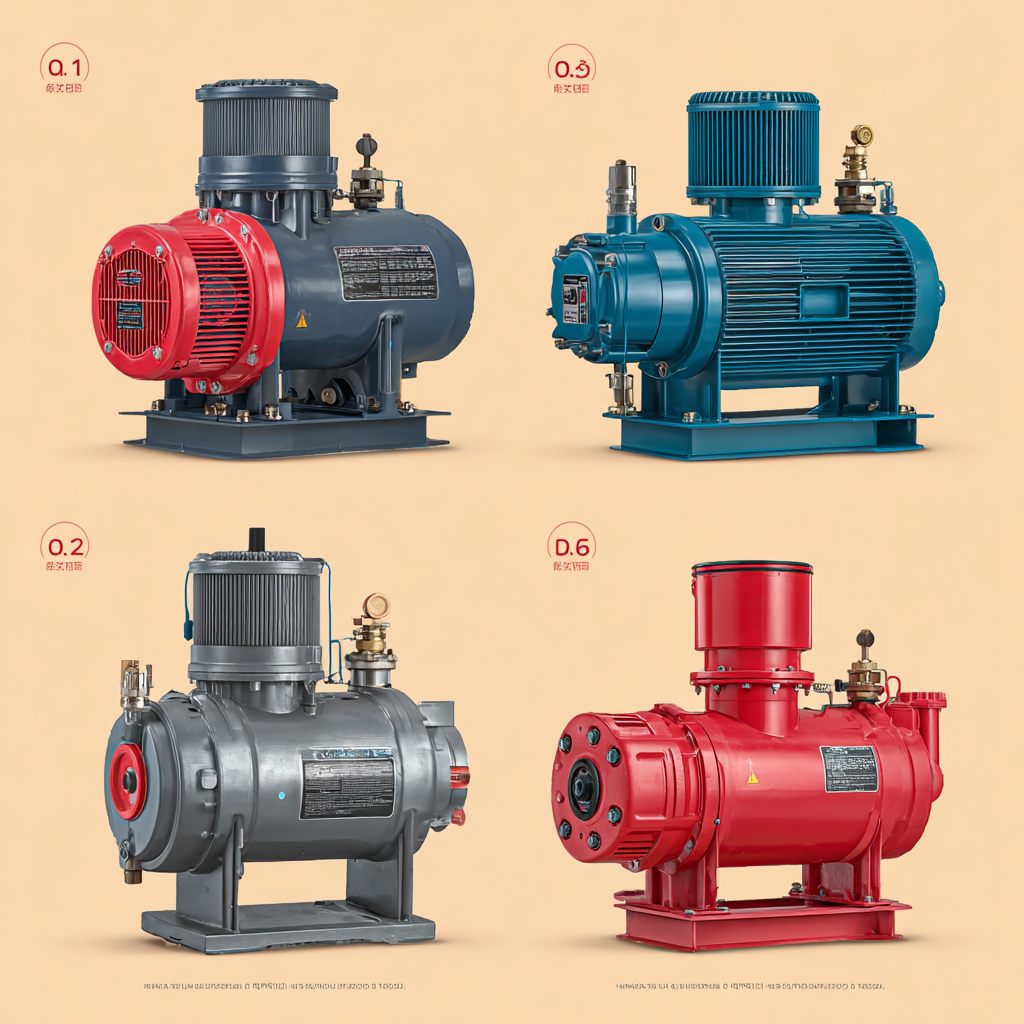
Leading brands like Kärcher and Simpson are noted for their innovative designs and durability. Kärcher's K5 Premium is a recommended model for residential use, featuring an adjustable pressure feature that ensures efficient cleaning for various tasks. For industrial applications, the Simpson Megashot MS60903 stands out due to its powerful engine and heavy-duty construction, making it ideal for demanding jobs. According to a 2023 Consumer Reports study, both brands received high marks for customer satisfaction, emphasizing that investing in reputable brands leads to enhanced performance and longevity in pressure pumps.