Top 10 Electric Pumps for Efficient Water Transfer and Usage
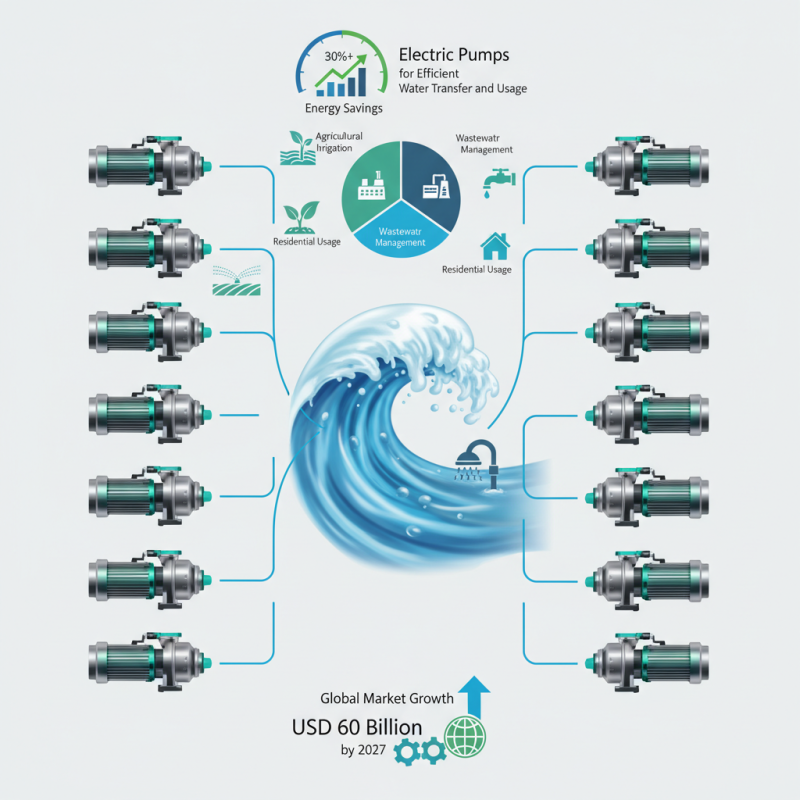
In today's rapidly advancing technological landscape, electric pumps stand at the forefront of innovations that facilitate efficient water transfer and usage across various industries. With the global electric pump market expected to reach approximately USD 60 billion by 2027, driven by the rising demand for water infrastructure and management systems, the importance of selecting the right pump cannot be overstated. Whether for agricultural irrigation, wastewater management, or residential usage, electric pumps offer a sustainable and effective solution for meeting our water needs.
Research indicates that electric pumps can operate with significantly improved efficiency compared to traditional mechanical pumps, often achieving energy savings of up to 30%. This level of efficiency not only contributes to reduced operational costs but also supports environmental conservation efforts. As industries continue to emphasize sustainability and resource management, the role of electric pumps in promoting efficient water usage practices becomes increasingly vital. In this article, we will delve into the top 10 electric pumps that exemplify these advancements, highlighting their key features, applications, and the benefits they bring to users aiming for optimal water efficiency.
Types of Electric Pumps for Water Transfer: An Overview
When considering electric pumps for water transfer, it’s essential to understand the different types available and their specific applications.
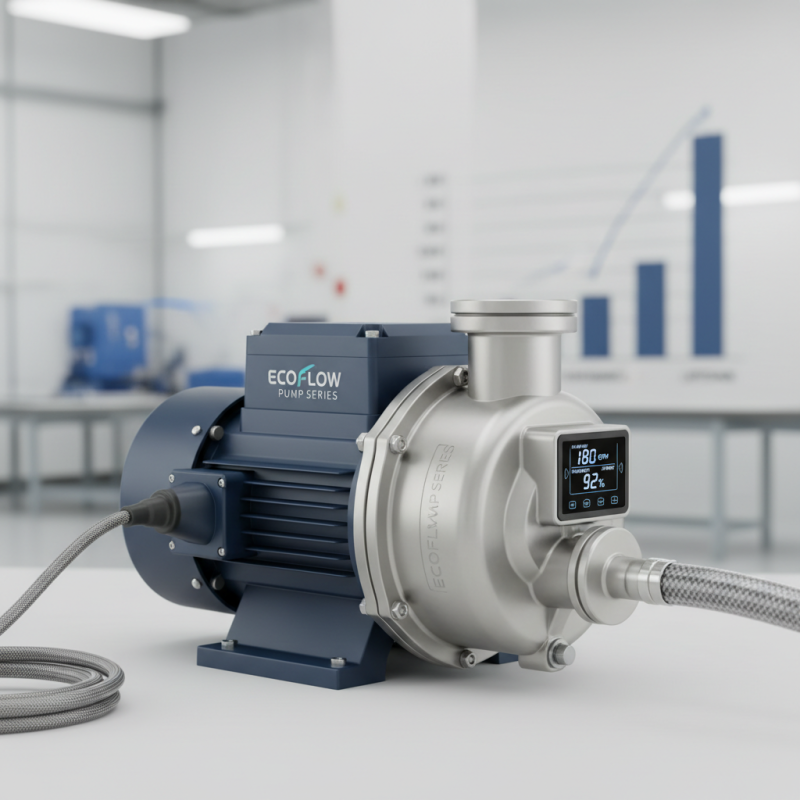
Centrifugal pumps, for instance, are widely recognized for their efficiency in moving large volumes of water. They utilize rotational energy to create a flow, making them ideal for irrigation, drainage, and swimming pool maintenance.
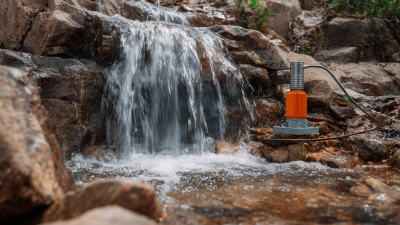
Submersible pumps, on the other hand, are designed to operate underwater, making them suitable for wells and deep reservoirs where atmospheric pressure is insufficient for other types of pumps.
For those looking to optimize their water transfer systems, here are some helpful tips:
always assess the required flow rate and head height for your specific application before choosing a pump type. Additionally, consider the material of the pump, especially if you’ll be working with corrosive or muddy water.
Choosing the right type ensures not only efficiency but also longevity of the equipment.
Another important aspect to evaluate is the power source for the electric pump.
While most pumps are powered by electricity, some may offer flexibility with battery or solar power options. This can be especially beneficial in remote areas where traditional power sources are unavailable. Remember to factor in energy efficiency to keep operational costs low while maximizing water transfer capabilities.
Key Features to Consider When Selecting Electric Pumps
When selecting electric pumps for efficient water transfer and usage, several key features must be carefully evaluated to ensure optimal performance and reliability. One of the primary considerations is the pump's flow rate, typically measured in gallons per minute (GPM). According to a market analysis conducted by Research and Markets, the ideal flow rate for residential and agricultural applications varies between 5 to 30 GPM, depending on the tasks at hand. A well-matched flow rate not only enhances efficiency but also reduces energy consumption, which can save users significant costs over time.
Another critical feature to assess is the pump's power rating, usually indicated in horsepower (HP). The U.S. Department of Energy recommends selecting a pump with an appropriate power rating that aligns with the specific requirements of the task. For instance, smaller gardens may only require pumps with a power rating of 0.5 to 1 HP, while larger irrigation systems may necessitate pumps with 3 HP or more. Proper power selection is essential as it directly impacts the pump's longevity and performance. Additionally, users should consider the pump's construction materials and design, which influence durability and resistance to corrosion, particularly in harsh environments. Understanding these parameters will lead to informed decisions when choosing electric pumps.
Top 10 Electric Pumps for Efficient Water Transfer
When it comes to effective water transfer, electric pumps are indispensable tools that ensure efficiency and reliability. These pumps employ electric power to move water effortlessly, making them ideal for a variety of applications, whether it’s for irrigation, draining, or general maintenance tasks. The ability to handle large volumes of water quickly and efficiently makes electric pumps a preferred choice for homeowners, gardeners, and contractors alike.
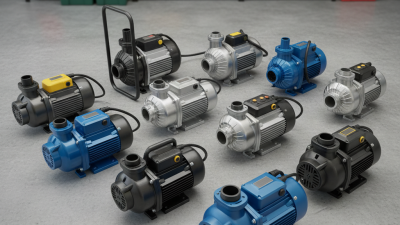
Electric pumps come in various designs and sizes to cater to different needs. Submersible pumps are often utilized for deep well applications or in ponds, as they are placed underwater to draw water up to the surface. On the other hand, centrifugal pumps are well-suited for transferring water in various settings, from industrial to domestic use. Each type serves a specific purpose, providing solutions that optimize water usage while minimizing energy consumption. Investing in the right electric pump can significantly enhance productivity and ensure that water management tasks are completed swiftly and effectively.
Top 10 Electric Pumps for Efficient Water Transfer
Comparative Analysis of Performance in Various Electric Pumps
When evaluating electric pumps for efficient water transfer and usage, it is crucial to compare their performance across various parameters. Key factors include flow rate, energy efficiency, and durability. High flow rates are essential for tasks that require rapid water movement, such as irrigation or draining flooded areas. Additionally, energy efficiency becomes a significant consideration, as pumps that consume less power reduce operational costs while minimizing environmental impact. Thus, a pump's ability to perform efficiently at lower energy inputs can greatly enhance its appeal.
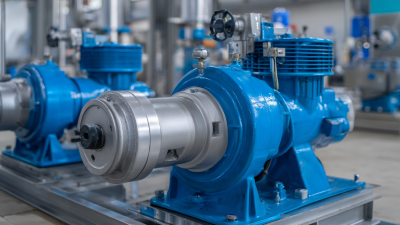
Moreover, durability is an integral aspect of pump performance. Electric pumps should be constructed from high-quality materials that withstand prolonged use without significant wear and tear. This not only ensures longevity but also reduces the frequency of maintenance and replacements, making them more cost-effective in the long run. Comparative analyses of these characteristics among different electric pumps reveal the most suitable options for specific applications, helping users make informed decisions based on their unique water transfer needs. By focusing on these performance metrics, consumers can select electric pumps that deliver optimal efficiency and reliability.
Maintenance Tips for Maximizing Electric Pump Efficiency
Proper maintenance of electric pumps is essential to ensure their efficiency and longevity. Regular inspection is key; look out for signs of wear or leaks in hoses and connectors. Keeping the external components clean can prevent dirt from entering the system, which might compromise the pump’s performance. Additionally, checking the voltage and power supply regularly can help identify any electrical issues before they become major problems.
Tips for maintenance include lubricating moving parts as recommended by the manufacturer, which reduces friction and wear during operation. It’s also beneficial to routinely flush the pump system to eliminate any buildup that could impede water flow. When not in use, store the pump properly in a dry and protected environment to prevent rust and corrosion. Keeping a maintenance log can help track performance and identify any areas needing attention over time, ensuring your electric pump operates efficiently.