

10 Pump Solutions Buying Tips for Global Buyers?

Buying pump solutions across borders is not a simple equipment transaction. It is a decision about energy, uptime, documentation, service, and long-term risk. A pump may look ideal on a quotation sheet, yet fail when the fluid temperature changes or the operating point moves.

The U.S. Department of Energy’s Improving Pumping System Performance guide highlights major savings opportunities through proper system assessment, including better control, sizing, and maintenance. The International Energy Agency also reports that electric motor systems consume a significant share of global electricity. These findings make efficiency a purchasing requirement, not a marketing detail.

Dr. Lev Nelik, a recognized pump-system engineer and author, has emphasized a practical truth: “The pump is only one part of the system.” That sentence deserves attention. Piping, valves, controls, seals, installation, and operator training can determine the final result.

Global buyers should examine verified performance curves, test standards, material certificates, warranty terms, spare-part access, and local technical support. Ask for evidence, not confident promises. Check whether the quoted efficiency applies to the actual duty point.

The Hydraulic Institute standards provide useful guidance for pump selection, testing, and reliability. However, standards alone cannot remove every purchasing mistake. A perfect specification can still be based on poor field data.

That is the uncomfortable part.

The following ten buying tips for pump solutions connect technical performance with practical procurement. They focus on measurable value, clear communication, and risks that often appear after delivery. Decisions become stronger when buyers challenge assumptions before signing.

10 Pump Solutions Buying Tips for Global Buyers?

Understanding Pump Types and Global Application Requirements

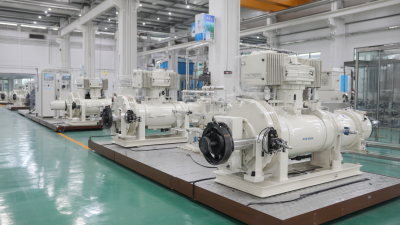
Global pump purchasing starts with the liquid, not the equipment catalogue. A centrifugal pump suits many clean, low-viscosity liquids and steady flow rates. Positive displacement pumps handle thicker fluids and controlled dosing more effectively. Diaphragm pumps can manage chemical transfer while reducing leakage risks. The wrong pump type may still operate, but it can waste energy, overheat, or fail early.

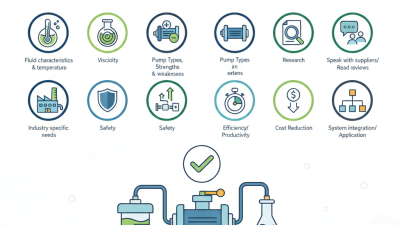
Define flow rate, total head, temperature, viscosity, solids content, and operating hours. Check suction conditions carefully because insufficient NPSH can cause cavitation and damaging vibration.

Materials must match the fluid, including seals, gaskets, casing, and impeller components. Local power supply matters too. Voltage, frequency, motor protection, and installation space can differ between markets. Measure twice. Specifications are often incomplete.

Global buyers should request performance curves, test records, maintenance instructions, and clear warranty terms. Ask how spare parts will be supplied and whether technicians can support commissioning remotely. In my experience, transport protection and installation guidance are easily underestimated. A pump may pass factory testing but struggle with poor pipe alignment or air entering the suction line. No selection is perfect. Review actual field data after several months, then adjust the operating range, service schedule, or control method when evidence requires it.

Defining Flow, Pressure, Material, and Energy Specifications

10 Pump Solutions Buying Tips for Global Buyers

Defining flow, pressure, material, and energy requirements prevents expensive sizing errors. Flow should reflect the real duty point, not an optimistic maximum. Record minimum, normal, and peak flow in cubic meters per hour. Pressure needs static lift, friction loss, fittings, and required discharge pressure. Add only a justified margin. Oversizing is not automatically safer.

Tip: Specify fluid temperature, viscosity, solids, pH, and density. Match wetted materials to corrosion and abrasion risks. Confirm seal compatibility. Request performance data under ISO 9906 testing conditions. Check whether the pump handles intermittent or continuous duty. Review voltage, frequency, control method, and local service capability. Ask for noise, vibration, and maintenance requirements. These details are often missed.

The U.S. Department of Energy reports that pumping systems can represent about 25% of industrial electricity consumption. Energy deserves equal attention. Compare efficiency at the normal operating point, not only the catalogue peak. The Hydraulic Institute and Europump life-cycle cost guide identifies energy as a major lifetime pump expense. Calculate five-year or ten-year operating costs before purchase. A variable-speed drive may help, but only when demand changes. A fixed-speed system can be better for stable duty. My imperfect rule: never trust one datasheet alone. Validate the curve, test assumptions, and challenge every allowance.

Evaluating Pump Quality, Certifications, and Supplier Reliability

When evaluating a pump supplier, start with evidence, not polished brochures. Request performance curves, material certificates, test records, and traceability for major components. A reliable pump should meet its stated flow, head, efficiency, and power requirements under defined conditions.

Check whether testing follows a recognized standard, such as ISO 9906, when applicable. Review certifications carefully. CE marking, electrical approvals, or quality certificates may be required in different markets. Confirm the certificate’s scope, validity, issuing organization, and covered product range. A certificate alone can still mislead.

Inspect how the supplier controls quality in practice. Ask about factory acceptance testing, pressure testing, vibration checks, seal inspection, and calibration records. Photos of test instruments help, but witnessed testing is stronger evidence. Do not ignore small details. A leaking mechanical seal or poorly protected terminal box can create costly delays.

Supplier reliability also appears in ordinary conversations. Do they answer technical questions clearly? Can they provide realistic lead times, spare-parts lists, installation guidance, and warranty conditions? Request references from similar industries and verify whether replacement parts remain available. An on-site audit may reveal more than a sales presentation.

Some buyers focus too heavily on purchase price. That habit deserves review. Energy use, maintenance access, downtime, and operator training often shape the real cost. I have seen specifications become overly complex, yet still miss basic site conditions, including fluid temperature, solids content, and available voltage. A careful supplier should challenge unclear requirements instead of accepting every line without discussion.

Comparing Pricing, Operating Costs, Maintenance, and Spare Parts

10 Pump Solutions Buying Tips for Global Buyers?

Comparing Pricing, Operating Costs, Maintenance, and Spare Parts

A low purchase price can hide expensive energy use. Compare pumps by flow rate, head pressure, efficiency, and duty cycle. Request performance curves, not only catalogue prices. A pump moving water eight hours daily may consume more money than its purchase cost within one year. Check motor efficiency, electricity tariffs, voltage requirements, and expected seasonal demand. Small mismatches matter.

Ask suppliers to separate equipment, installation, transport, taxes, and commissioning costs. A cheaper quotation may exclude essential valves or control panels. Inspect maintenance access before ordering. Can technicians reach the seal, bearings, and coupling without removing nearby pipes? That detail saves hours during an emergency shutdown. Keep it practical.

Spare parts deserve equal attention. Confirm prices and lead times for seals, gaskets, bearings, impellers, and motors. Ask whether standard materials suit your fluid, temperature, and corrosion conditions. Local stock is valuable, but availability claims should be written into the contract. Warranty terms also need careful reading, especially for dry running, poor alignment, or unstable power. I have seen buyers focus on the invoice and overlook installation quality. That mistake is understandable, but costly. Compare total ownership cost over five years, then challenge your own assumptions. Five years is not always realistic. Forecasts can fail when production changes. Include inspection records, service intervals, technical drawings, and training in the buying decision. Reliable documentation supports safer maintenance across borders.

Reviewing Delivery Terms, Warranty Coverage, and After-Sales Support

For global pump buyers, delivery terms deserve the same attention as pump specifications. Ask for a clear Incoterm, shipment location, estimated dispatch date, and responsibility for freight, insurance, and customs documents. Get it in writing. Check whether the quoted lead time includes factory testing, export packing, and final documentation. A wooden crate may look minor, but poor moisture protection can damage controls during a long sea journey. Request photos of packed equipment before shipment.

Warranty coverage should describe more than a simple number of months. Confirm when the warranty starts, such as commissioning or delivery, and identify covered parts, labor, travel, and replacement freight. Ask how performance claims are tested. Flow rate, pressure, motor temperature, and vibration should have measurable limits. Also review exclusions for dry running, unsuitable fluids, incorrect installation, or unstable power. Many buyers focus on price and overlook these conditions.

After-sales support becomes critical when a pump stops at midnight. Request a service response time, escalation contact, troubleshooting procedure, and spare-parts availability. Remote video support can help, but it cannot replace trained local technicians for alignment or seal replacement. Ask for manuals, installation training, and recommended spare lists before payment. One recurring lesson is uncomfortable: buyers sometimes accept vague promises because the project is urgent. That decision can create months of avoidable delays. Recheck every assumption before signing.

Whether your solution requires a single pumping application or an expansive engineered system,
CheckPoint is committed to becoming your partner in excellence.