


What are the Benefits of Ethylene Vinyl Copolymer for Buyers?

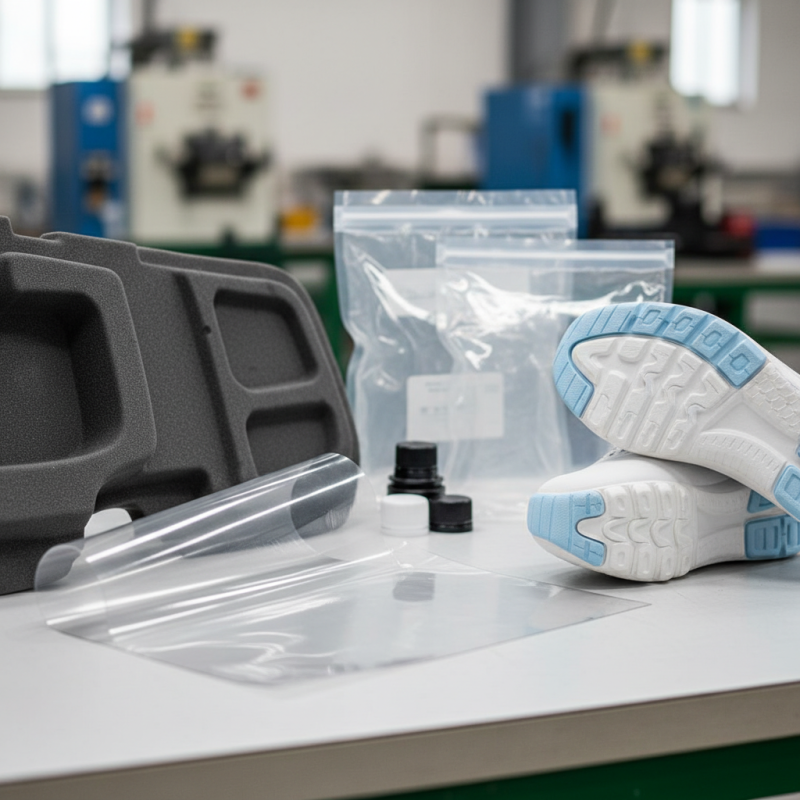
Ethylene Vinyl Copolymer (EVA) is gaining traction among buyers for its diverse applications and benefits. This thermoplastic copolymer combines ethylene and vinyl acetate, resulting in a material with excellent properties. Its flexibility, chemical resistance, and durability make it appealing for various industries, such as packaging, automotive, and footwear.

Many industries rely on Ethylene Vinyl Copolymer for its versatility. In packaging, it offers enhanced sealing and protection. This quality improves product shelf life and reduces waste. In the automotive sector, EVA is used for insulation and soundproofing, contributing to passenger comfort. Buyers appreciate its lightweight nature and potential for cost savings.

While Ethylene Vinyl Copolymer has many advantages, it's essential to consider a few limitations. Some manufacturers may face challenges with processing and quality control. Ensuring consistency in production can be complex. Buyers should weigh these factors when choosing the right materials for their projects. Overall, Ethylene Vinyl Copolymer remains a valuable option worth exploring.
What are the Benefits of Ethylene Vinyl Copolymer for Buyers?

Advantages of Ethylene Vinyl Copolymer in Product Design

Ethylene Vinyl Copolymer (EVA) has gained recognition in product design due to its versatility. This material is often used in various applications, from footwear to adhesives. Its unique properties blend ethylene and vinyl acetate, yielding a flexible, resilient substance.

One of the most notable advantages of EVA is its excellent elasticity. Designers appreciate how it accommodates movement while maintaining shape. This flexibility makes it ideal for products that require comfort and durability. Additionally, EVA can be manufactured in a range of densities, allowing for tailored applications. Whether it is soft cushioning or sturdy structures, EVA can meet diverse needs effectively.

Another aspect worth reflecting on is the material's eco-friendliness. Unlike some traditional plastics, EVA is often considered more sustainable. Yet, the production processes can vary. This inconsistency highlights the need for buyers to engage carefully with suppliers. Verifying the sourcing and manufacturing practices is crucial to ensure that the desired environmental benefits are realized. Evaluating these factors can lead to better product choices and a kinder impact on the planet.

What are the Benefits of Ethylene Vinyl Copolymer for Buyers? - Advantages of Ethylene Vinyl Copolymer in Product Design

Benefit Description
Compatibility Ethylene vinyl copolymer (EVC) can be easily blended with various other polymers, improving product versatility.
Flexibility EVC offers excellent flexibility, allowing products to bend without breaking, making it ideal for consumer goods.
Weather Resistance The material has good weather resistance, making it suitable for outdoor applications where exposure to UV rays and moisture occurs.
Durability EVC is known for its robust durability, enhancing the lifespan of products that utilize this copolymer.
Impact Resistance The copolymer demonstrates excellent impact resistance, protecting products from damage during use.
Color Retention EVC maintains color integrity over time, preventing fading and ensuring products appeal to consumers.

Cost-Effectiveness of Ethylene Vinyl Copolymer for Manufacturers

Ethylene Vinyl Copolymer (EVC) is an increasingly popular material choice among manufacturers. This polymer offers excellent versatility and resilience. As a result, it finds applications across various industries, including automotive, packaging, and construction. Its ability to blend with other materials enhances performance, making it a preferred selection. Manufacturers appreciate that EVC can improve the durability of their products while maintaining flexibility.

Cost-effectiveness is a key factor in the selection of EVC. When assessing production costs, EVC provides significant savings over time. Its durability means fewer replacements, reducing long-term costs. Using EVC can lower manufacturing waste, which benefits production efficiency. In addition, the material's compatibility with renewable resources can also contribute to sustainability efforts. However, manufacturers need to consider initial material costs, which can vary widely. Understanding the balance between upfront investment and long-term savings is essential.

Manufacturers might find that while EVC is advantageous, it requires careful handling. Processing can be tricky, and sometimes results may not meet expectations. Additionally, varying formulations can lead to inconsistencies. Evaluating supplier options is essential to ensure reliability in product quality. Keeping these factors in mind can aid manufacturers in making informed choices.

Benefits of Ethylene Vinyl Copolymer (EVC) for Buyers

This bar chart represents the various benefits of Ethylene Vinyl Copolymer (EVC) for buyers, highlighting aspects such as cost-effectiveness, durability, flexibility, chemical resistance, and heat resistance, rated on a scale from 1 to 10.

Versatility of Ethylene Vinyl Copolymer in Various Applications

Ethylene vinyl copolymer (EVC) boasts remarkable versatility across various applications. This polymer blends ethylene and vinyl acetate, creating a material that is flexible and resilient. According to a recent report by Grand View Research, the global market for EVC is expected to reach USD 1.2 billion by 2025, driven by its unique properties.

Industries utilize EVC in adhesive formulations, coatings, and sealants. Its adhesive strength surpasses many conventional polymers, making it an excellent choice for bonding dissimilar substrates. EVC exhibits excellent impact resistance and flexibility, essential for automotive and construction applications. In the packaging sector, EVC adds durability to materials, ensuring products withstand wear and tear.

Despite its strengths, EVC also has limitations. Heat resistance under high temperatures may not meet specific demanding applications. The availability of alternative materials might lead buyers to rethink their choices. Understanding these nuances allows manufacturers to make informed decisions. While EVC is an excellent option, its application should be carefully evaluated to ensure optimum performance.

Durability and Performance Benefits of Ethylene Vinyl Copolymer

Ethylene vinyl copolymer (EVA) stands out for its exceptional durability and performance. This material is highly resistant to environmental stressors. It can withstand extreme temperatures, making it suitable for various applications. For buyers, this means less frequent replacements and maintenance. The longevity of EVA can reduce overall costs in the long run.

In addition to its durability, EVA offers remarkable flexibility. It retains its shape even when subjected to significant stress. This characteristic is vital in industries that require materials to perform under constant strain. While EVA is robust, not all applications maximize its potential. Users should consider the specific conditions in which EVA will be used. Sometimes, overestimating its capabilities could lead to unexpected failures.

Cost efficiency is another consideration. EVA may have a higher initial cost, but its lifespan often justifies the investment. If a buyer doesn't assess their actual needs, they might overlook the value of EVA. It's essential to weigh the immediate costs against the long-term benefits when making decisions. Understanding these factors helps buyers make informed choices about their material selection.

Environmental Considerations of Using Ethylene Vinyl Copolymer

Ethylene Vinyl Copolymer (EVA) offers important environmental advantages that buyers should consider. This thermoplastic elastomer is known for its flexibility and durability. It is often used in packaging, automotive, and footwear industries. One of its key benefits is that it can be recycled, reducing landfill waste. Many manufacturers are now using post-consumer recycled EVA, which further lowers environmental impact.

Moreover, EVA is less harmful compared to some traditional plastics. It doesn’t release toxic compounds during production or disposal. However, it is essential to acknowledge that not all EVA products are created equal. Some may still involve harmful additives that can detract from their eco-friendliness. It's crucial for buyers to seek out products that prioritize sustainability throughout their lifecycle.

Despite its benefits, EVA should be used wisely. It is not biodegradable, which means it can persist in the environment. Buyers must consider the full impact of their purchasing decisions. Understanding the balance between performance and environmental responsibility is vital. Making informed choices can drive demand for greener alternatives and foster a more sustainable future in product development.

Whether your solution requires a single pumping application or an expansive engineered system,
CheckPoint is committed to becoming your partner in excellence.