


What is the Best Forklift Traction Battery for Your Needs?

Choosing the right forklift traction battery is crucial for ensuring optimal performance in your operations. The right battery affects productivity and longevity of your equipment. Forklift traction batteries come in various types and sizes, each designed for specific applications and environments.

The choice may seem straightforward, but many factors influence it. Factors like operational hours, lift capacity, and charging infrastructure all play significant roles. A poorly matched battery can lead to inefficiencies or even equipment damage. Understanding your unique needs is essential.

Investing in the best forklift traction battery can enhance productivity and reduce downtime. However, each business has different requirements. Reflecting on past experiences with battery performance can help guide your decision. Your ultimate goal should be to find a reliable battery that meets your operational demands efficiently.
What is the Best Forklift Traction Battery for Your Needs?

Understanding Forklift Traction Batteries: An Overview

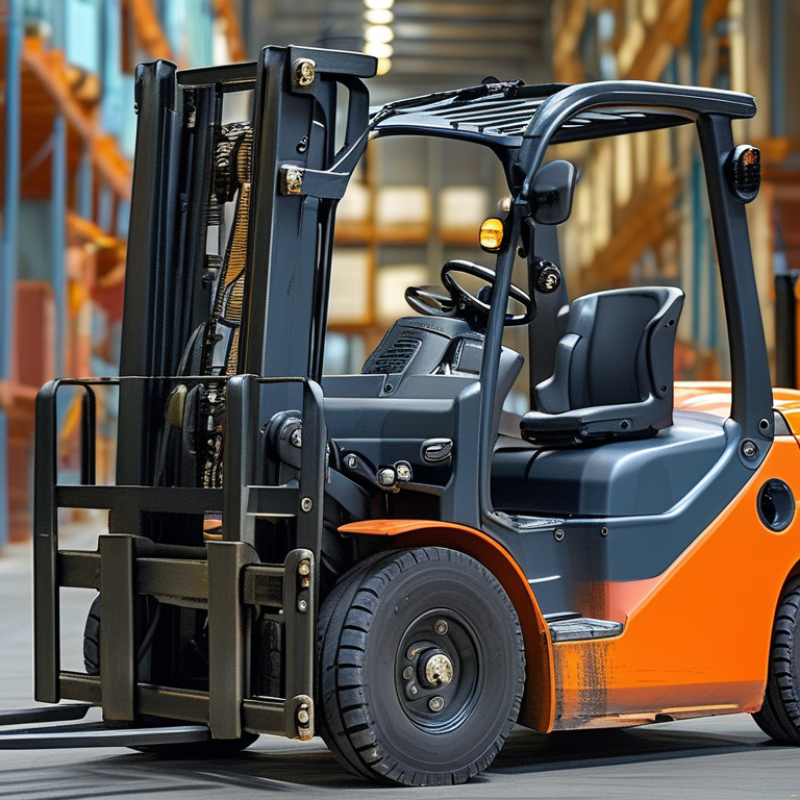
Forklift traction batteries play a crucial role in ensuring smooth operations in warehouses and factories. They provide the power needed to lift heavy loads and keep equipment running efficiently. Understanding their function is essential for any business that relies on forklifts. The effectiveness of a battery can significantly impact productivity and safety.

When choosing a traction battery, consider key factors like capacity, voltage, and maintenance. A battery's capacity determines how long it can operate between charges. Higher capacity batteries support longer shifts. Maintenance is another critical aspect. Regular checks can prevent unexpected downtimes and extend battery life. Some batteries may require more care than others, which can be challenging for busy operations.

It's important to assess your specific needs carefully. Each operational environment is different, and what works for one might not suit another. Battery specifications can be complex, and misjudgments may lead to costly errors. Consulting with experts can provide valuable insights. They can help navigate options and find the best fit for your forklifts. Investing time in understanding these batteries pays off in performance and efficiency.
Types of Forklift Traction Batteries and Their Features

When choosing a forklift traction battery, understanding the types available is key. There are three primary types: lead-acid, lithium-ion, and nickel-cadmium. Each has distinct features that cater to specific operational needs. According to industry reports, lead-acid batteries remain popular, making up about 80% of the market. They are known for their reliability and cost-effectiveness. However, they tend to require regular maintenance, which can add hidden costs over time.

Lithium-ion batteries are gaining traction, especially in high-demand environments. They offer faster charging times and a longer lifespan, which can exceed 5,000 cycles compared to 1,500 for lead-acid batteries. However, their initial cost is significantly higher, which can deter some users. Meanwhile, nickel-cadmium batteries, while less common, are praised for their robustness and tolerance of extreme temperatures. Their performance can be influenced by factors such as cycling frequency and temperature variations.

Each battery type comes with its challenges. Lead-acid batteries need regular watering and can take up significant space. Lithium-ion may offer operational efficiency but can create concerns regarding heat management. The choice often depends on a careful assessment of your specific application and budget constraints. Understanding these nuances allows for more informed decisions in selecting the best forklift traction battery for your needs.

Factors to Consider When Choosing a Forklift Battery

When choosing a forklift battery, several factors come into play. Understanding the correct voltage is crucial. Most electric forklifts require either 24V, 36V, or 48V batteries. The right voltage will optimize performance. Additionally, consider the capacity measured in amp-hours (Ah). This indicates how long the forklift can operate before a recharge. Higher capacity batteries tend to last longer in intense work environments.

Battery size and weight also matter. Ensure that the chosen battery fits well within your forklift model. An ill-fitting battery can lead to safety issues. Pay attention to operating temperature as well. Extreme conditions can impact battery efficiency and lifespan.

Tips: Regular maintenance is key to battery longevity. Clean terminals and check fluid levels frequently. If your operations vary in intensity, a battery with a flexible discharge rate may suit you well. Always refer to the forklift’s manual for specific battery requirements. It’s easy to overlook details, but these decisions can affect productivity and safety.

Comparative Analysis of Leading Forklift Battery Brands

When selecting a forklift traction battery, it's crucial to assess your specific operational requirements. Different brands offer unique technologies, which can impact efficiency and lifespan. Some batteries excel in cold storage environments, while others perform better in warmer conditions. Understanding the nuances of each option can enhance productivity and reduce downtime.

A comparative analysis reveals that some batteries emphasize quick charging capabilities. This can be beneficial for high-traffic warehouses that need constant operation. However, prioritizing speed over longevity may lead to more frequent replacements. It's essential to balance these factors based on how often the forklift will be used.

Performance metrics like cycle life and maintenance requirements also vary. Some batteries may require regular checks, while others offer maintenance-free options. It's worth considering the costs associated with upkeep. Additionally, reviews and case studies on battery performance in real-world settings can provide insights. These details might be overlooked but can significantly influence your decision.

Forklift Traction Battery Performance Comparison

This chart illustrates the comparative performance of various forklift traction batteries based on key metrics such as cycle life, charging time, capacity, and discharge rate. Each battery's data is represented in categories, allowing for a clear comparison of their features.

Maintaining and Optimizing Forklift Battery Performance

Maintaining and optimizing forklift battery performance is crucial for efficiency and longevity. A well-maintained battery not only improves operational performance but also reduces long-term costs. Forklifts rely on traction batteries for power, so knowing how to care for them is vital.

Regular inspections are essential. Check for corrosion on terminals and battery connections. Cleaning these areas can help prevent electrical resistance. Ensure fluid levels are adequate. Low levels can lead to cell damage. Also, keep the battery clean and free from debris. A dirty battery can overheat more easily.

Tips for optimization include charging practices. Avoid partial charges whenever possible. Fully charge your battery after each use, but don’t overcharge it. Charging cycles can affect battery lifespan. Consider temperature settings as well. Extreme heat or cold can reduce battery efficiency. Lastly, ensure that your battery is suited for your specific forklift model to enhance performance.

Whether your solution requires a single pumping application or an expansive engineered system,
CheckPoint is committed to becoming your partner in excellence.