


What is the Best Piston Filler for Your Business Needs?
In today's competitive market, choosing the right Piston Filler is crucial for your business. According to John Smith, a renowned expert in filling systems, “The right Piston Filler can transform your production line efficiency.” This statement highlights the importance of selecting a high-quality machine that meets specific needs.
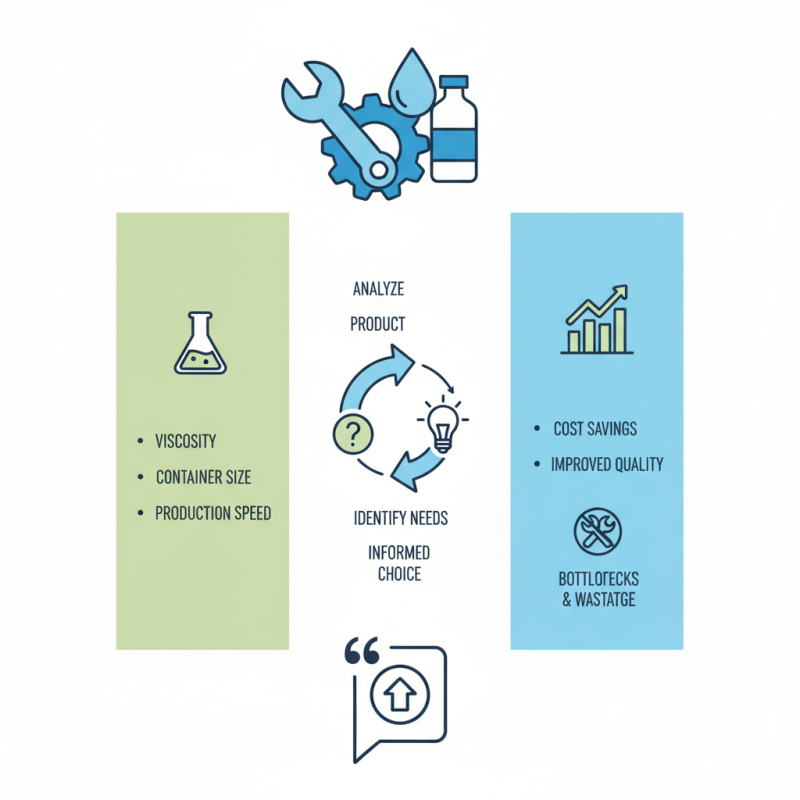
Piston Fillers are known for their precision and versatility. Businesses must consider factors such as viscosity, container size, and production speed. A well-chosen filler can lead to significant cost savings and improved product quality. However, improper selection can cause bottlenecks and wastage. It's essential to weigh the pros and cons carefully.
Companies often overlook the nuances of their requirements. Understanding your product's characteristics is vital. Analyzing these details can prevent mistakes that harm operations. Selecting the right Piston Filler is not just about purchasing; it’s about optimizing an entire process. Businesses should prioritize identifying their unique needs in order to make an informed choice.
Understanding Piston Fillers: Definition and Functionality
Piston fillers are essential tools in various industries. They ensure accurate and efficient filling of liquids. Understanding their definition and functionality is crucial for selecting the best model for your business.
A piston filler consists of a piston that moves inside a cylinder. This movement creates a vacuum that draws liquid into the chamber. When the piston is pushed back, the liquid is dispensed. This mechanism provides a high level of precision. It is ideal for filling thicker liquids and pastes.
Tip: Consider the viscosity of the liquids you will be using. Not all piston fillers are created equal in handling thicker substances.
Another aspect to reflect on is size. Some piston fillers are compact, while others are larger and more complex. Space constraints in your facility may influence your choice. Look for models that offer adjustable settings for different product requirements.
Tip: Test the model with your actual product before making a final decision. This can help identify any challenges early on.
Ultimately, selecting the right piston filler depends on your specific needs. Reflect on the volume, viscosity, and filling accuracy required in your operations. Ensure that the choice aligns with your production goals.
Comparison of Piston Filler Types for Business Needs
Types of Piston Fillers Suitable for Different Industries
Piston fillers come in various types, each tailored for specific industries. Liquid food products often require fillers designed for high viscosity liquids. These fillers are robust and provide precise volume measurements. Common materials include syrups and sauces, which need accurate dispensing to maintain quality.
In the cosmetic industry, piston fillers must handle thicker creams and lotions. These machines often have adjustable settings to accommodate different product consistencies. When using these fillers, the need for cleanliness is vital due to potential contamination. Each product demands thorough testing to ensure reliability.
Pharmaceutical companies also benefit from piston fillers. Precision is crucial here, as slight deviations can affect dosage. These fillers often feature advanced technology to ensure sterile filling processes. The challenges faced can include machine calibration and the impact of varying product textures, which require continuous monitoring.
Key Features to Consider When Choosing a Piston Filler
When selecting a piston filler for your business, several key features are essential to consider. The design of the filler can impact efficiency significantly. According to industry research by the Food Processing Machinery Association, around 32% of companies cite inefficiencies in production due to poor equipment choices. Assessing the material of the piston is crucial. Stainless steel and high-grade plastics are common choices, both offering durability and resistance to corrosion.
The accuracy of the filler is another critical factor. Precision impacts product consistency, which is vital for consumer trust. A report from the Packaging Machinery Manufacturers Institute states that inaccuracies can lead to significant losses, with businesses facing up to a 20% decrease in revenue from product returns. Moreover, ease of cleaning should not be overlooked. Equipment that requires intricate disassembly can lead to prolonged downtime. It’s recommended to opt for fillers with simple, tool-free disassembly.
You should also consider the filler’s power source. Pneumatic options often perform better in high-speed environments. However, more businesses are exploring electric models for their energy efficiency. Research indicates that electric fillers can save companies up to 15% in energy costs annually. Balancing these features according to your specific needs will enhance operational efficiency and reliability.
Comparative Analysis of Leading Piston Filler Brands
When selecting the right piston filler for your business, it's essential to evaluate the key brands in the market. According to a recent industry report, over 60% of manufacturers prefer piston fillers for their flexibility and accuracy. These fillers are especially effective for products with varying viscosity levels. It's clear that your choice of equipment can significantly impact production efficiency and product quality.
Consider looking into the specifications of your top contenders. Some models feature advanced automation, which can reduce labor costs by up to 30%. However, it's crucial to assess whether automation aligns with your operational needs. Not all businesses require high-speed solutions, and sometimes, a simpler machine might serve you better.
**Tips:** Prioritize ease of maintenance in your selection process. Frequent downtimes can affect overall productivity. Additionally, consider the training required for staff to operate the machine effectively. Investing in proper training can enhance your team’s efficiency, leading to improved output quality. Always remember, not every fill solution suits every product. Testing a few options in small batches can provide valuable insights before making a commitment.
Cost Considerations and Return on Investment for Piston Fillers
When choosing a piston filler for your business, cost considerations are paramount. Initial investment costs can vary widely. Factors such as size, capacity, and technology impact pricing. Finding a model that fits your budget is crucial. Over time, the right piston filler can significantly boost your production rates. This results in lower labor costs per unit produced.
Return on investment (ROI) is essential in any equipment purchase. A more efficient machine can reduce material waste. This not only saves money but also enhances product quality. However, it's important to calculate potential ROI accurately. Sometimes, lower-cost models may lead to unexpected maintenance costs. Consider the long-term implications before investing.
Ultimately, assessing both upfront costs and long-term savings will help guide your decision. Piston fillers are an investment in efficiency and productivity. Make sure to analyze your production needs thoroughly. Each business will have different requirements, affecting your final choice. Balancing these aspects is key to achieving success in your operations.
What is the Best Piston Filler for Your Business Needs? - Cost Considerations and Return on Investment for Piston Fillers
| Filler Type | Cost ($) | Production Rate (units/hour) | ROI Period (months) | Maintenance Cost/Year ($) |
|---|---|---|---|---|
| Manual Piston Filler | 2,500 | 50 | 12 | 300 |
| Semi-Automatic Piston Filler | 5,000 | 120 | 8 | 450 |
| Fully Automatic Piston Filler | 15,000 | 300 | 6 | 1,200 |
| High-Precision Piston Filler | 25,000 | 200 | 10 | 800 |
Article Source:

Whether your solution requires a single pumping application or an expansive engineered system,
CheckPoint is committed to becoming your partner in excellence.


