How to Buy Natural Alpha Arbutin Powder in Bulk?
Buying Natural Alpha Arbutin Powder in bulk requires more than comparing prices. The word “natural” can describe botanical origin, processing, or marketing language. Ask the supplier to define it clearly. Request plant-source documentation, manufacturing details, and evidence supporting every claim.
Cosmetic chemist Perry Romanowski emphasizes, “A certificate is not proof of quality by itself.” His point is practical. A reliable supplier should provide a current certificate of analysis, HPLC purity results, microbiological testing, heavy-metal limits, and batch-specific documentation. Check the lot number on every file. It should match the sample container and commercial quotation.
Start with a small sample. Test its color, odor, solubility, and performance in your intended formula. Natural Alpha Arbutin Powder should be stored in sealed, light-resistant packaging. Moisture and heat may affect handling and stability. Ask about recommended storage temperatures, shelf life, and retest dates. Confirm the minimum order quantity, lead time, payment terms, and shipping conditions before signing a purchase agreement.
Supplier experience also matters. Review the company’s quality system, manufacturing location, audit history, and customer references. Certifications can help, but they do not replace independent verification. A supplier may present polished documents while offering inconsistent batches. That risk is easy to overlook.
No checklist is perfect. I would still compare two or three samples before committing to a large order. Confirm regulatory requirements in every destination market, especially for cosmetic claims and ingredient labeling. A careful purchase protects formulation stability, consumer trust, and your budget.
Define Natural Alpha-Arbutin: Source, CAS 84380-01-8, and 99%+ Assay
How to Buy Natural Alpha-Arbutin Powder in Bulk?
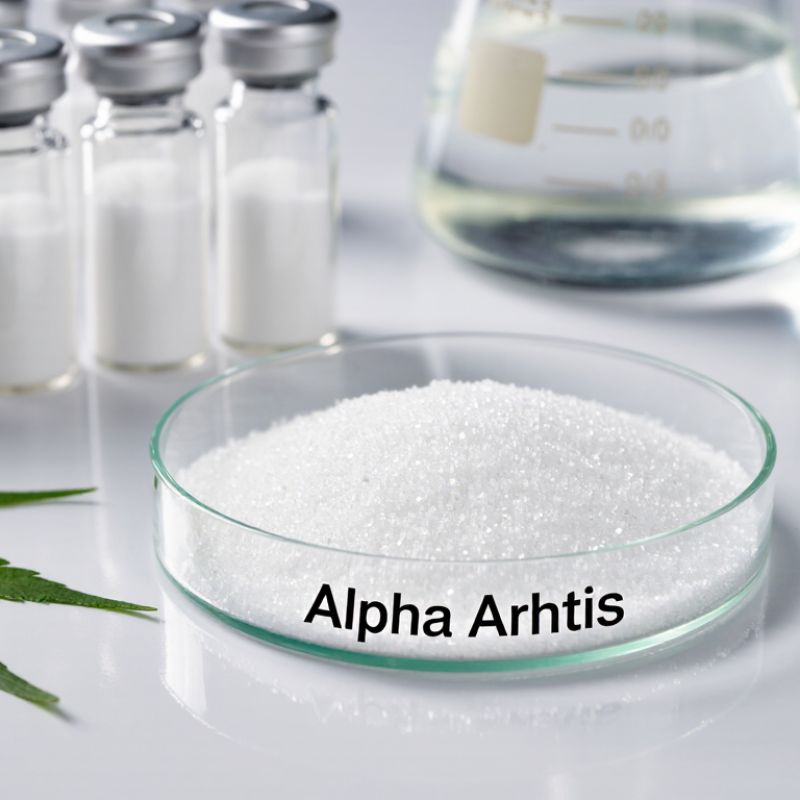
Natural alpha-arbutin is a glycosylated hydroquinone found in plants such as bearberry and pear leaves. Its chemical identity is alpha-arbutin, with CAS 84380-01-8. However, “natural” can describe the starting material, not always the final manufacturing route. Many commercial powders use controlled enzymatic conversion from plant-derived sugars. Ask suppliers to explain this difference clearly.
For bulk purchasing, request a recent certificate of analysis for every production lot. The assay should normally reach 99% or higher by a validated HPLC method. Check the testing method, reference standard, moisture, ash, residual solvents, heavy metals, and microbial limits. Identity testing should match the CAS number and confirm the alpha configuration. A clean white powder is useful, but appearance alone proves very little.
I would also request botanical source records, processing details, and supply-chain traceability. Packaging should protect the powder from humidity, heat, and direct light. Small samples can reveal clumping, odor, dissolution behavior, and assay consistency before a large order. One common mistake is trusting “natural” wording without reviewing evidence. Another is comparing prices before comparing test methods. I have seen specifications look impressive while omitting stability data. That omission deserves a direct question.
Verify Suppliers Through GMP, ISO 9001, COA, and Batch-Test Documentation
Buying natural alpha-arbutin powder in bulk requires more than comparing prices. Start with supplier qualification. ISO’s 2023 Survey reported ISO 9001 certificates across more than 180 countries and economies. However, certification alone does not prove ingredient quality. Request the current certificate, issuing body, site address, scope, and expiry date. The scope should cover manufacturing or quality control, not only trading activities.
GMP evidence should show controlled production, sanitation, deviation handling, and traceable batch records. WHO Technical Report Series No. 986, Annex 2, emphasizes documented procedures, validated processes, and quality testing before release. Ask for a batch-specific COA, not a generic template. Check assay by HPLC, appearance, identification, microbiological limits, heavy metals, residual solvents, and moisture. Match the lot number on the COA with the sealed container. Small detail. It often exposes weak traceability.
For a natural claim, request source documentation and a clear manufacturing statement. “Natural” can describe the origin, process, or marketing position, so written clarification matters. Independent batch testing adds confidence. Use an accredited laboratory when possible, and compare its report with the supplier’s COA. Review at least three recent batches for consistency. One clean result is not a trend. I would also request stability data, storage conditions, and sample retention procedures. Some suppliers may resist these questions. That hesitation deserves careful review.
Compare Bulk Quotes by Purity, MOQ, Lead Time, and Price per Kilogram
Buying natural alpha arbutin powder in bulk requires more than choosing the lowest price per kilogram. A practical quote comparison should begin with purity. Ask whether the stated percentage comes from HPLC testing or a general specification. Request a recent certificate of analysis, microbiological results, residual solvent data, and heavy metal limits. A 99% purity claim means little without traceable testing. Check the MOQ carefully. A low kilogram price may require a large order that ties up cash and increases storage risk. Small trial quantities can cost more, but they reveal powder color, solubility, odor, and packaging quality.
Lead time also affects the real purchase cost. Confirm production days, testing time, dispatch schedules, and estimated transit separately. Ask how the powder is packed, such as sealed foil bags inside fiber drums. Humidity exposure can damage sensitive materials during long transport. Compare the final delivered cost, not only the supplier’s quoted unit price. Include freight, insurance, customs handling, testing, and possible repacking fees. Payment terms matter too. Clear documentation supports quality control and responsible sourcing.
Some quotes look attractive at first. They may not remain attractive after shipping. An overlooked detail is the specification version. Make sure every supplier quotes the same purity, grade, origin statement, and shelf-life requirement. I would also request a retained sample before approving a larger order. This step can delay purchasing slightly, but skipping it is a costly gamble. Even experienced buyers can overvalue price and underestimate lead-time uncertainty. Review the comparison sheet twice. Small gaps often matter.
Check Stability Data: pH 3.5–6.5, Light Protection, and Storage Conditions
When buying natural alpha-arbutin powder in bulk, request real stability evidence, not only a recent certificate of analysis. The product should remain within pH 3.5–6.5 after formulation testing. This range helps limit discoloration and unwanted degradation.
Ask for HPLC results from samples stored under controlled conditions. The ICH Q1A(R2) stability framework commonly uses 25°C/60% relative humidity for long-term testing and 40°C/75% relative humidity for accelerated testing. These conditions can reveal changes before shipment. Light matters, too. Use opaque, sealed packaging, because repeated exposure to strong light may reduce assay strength and alter powder color. A practical specification should include assay, moisture, particle size, microbial limits, and impurity monitoring.
The European Commission’s SCCS safety assessment supports careful concentration control for alpha-arbutin in cosmetic products, but safety does not prove raw-material stability. That distinction is easy to miss. Request data from at least three production lots, including results at release and after storage. Confirm whether “natural” describes botanical origin, fermentation origin, or only marketing language. This point often needs clarification. Store unopened containers in a cool, dry area, away from windows and temperature swings. After opening, reseal quickly and record each exposure date. A supplier with weak light-stability data may still offer attractive pricing, but the risk moves into your formula.
Confirm Cosmetic Compliance: EU Limits of 2% Face and 0.5% Body Use
How to Buy Natural Alpha Arbutin Powder in Bulk?
Buying natural alpha arbutin powder in bulk requires more than comparing price per kilogram. For EU cosmetic projects, confirm the intended concentration before signing a purchase agreement. Current safety guidance commonly limits alpha-arbutin to 2% in facial products and 0.5% in body products. These limits apply to the finished formula, not the raw powder. Check the latest EU requirements with a qualified regulatory specialist. Rules and interpretations can change.
Ask the supplier for an up-to-date certificate of analysis, batch number, purity result, and manufacturing date. The documents should identify alpha-arbutin clearly and support its cosmetic use. Request contaminant testing, microbiological results, residual solvent data, and a safety data sheet. Natural origin claims need evidence, not attractive wording. Review the ingredient declaration and product category together. A face serum and a body lotion may require different calculations.
Keep the powder in sealed, light-protective packaging. Store it in a cool, dry area. Moisture can affect handling and formula stability. Before ordering a large volume, test a representative sample in your actual base. Check color, odor, solubility, and changes during stability testing. I would not rely on a supplier’s percentage alone; our own formula calculation is still necessary. A small documentation gap can become a costly compliance problem.
Natural Alpha Arbutin Powder: EU Maximum Use Levels
When buying alpha-arbutin powder in bulk for EU cosmetics, verify that the finished product stays within the permitted concentration for its intended application.
EU maximum concentration: 2.0% in face products and 0.5% in body products. These limits apply to the finished cosmetic formulation, not the purchased raw powder.