



China Top 10 Roll Parent Tissue Paper Manufacturers?

China’s tissue industry has become a major sourcing base for Roll Parent Tissue Paper. Large mills now serve converters across Asia, Europe, Africa, and the Americas. Their advantages include integrated pulp supply, automated machines, export experience, and flexible product specifications.

Industry reports provide useful context. Smithers’ “The Future of Global Tissue and Hygiene Paper to 2029” identifies population growth, urbanisation, and hygiene awareness as key market drivers. Grand View Research also reports continued expansion in the global tissue paper market, supported by household consumption and away-from-home demand. China Paper Association publications highlight the country’s large paper manufacturing capacity and ongoing investments in efficiency and environmental performance. These sources support the importance of studying Chinese suppliers, but they do not create an official manufacturer ranking.

This guide reviews ten notable Chinese producers of Roll Parent Tissue Paper. It considers production scale, machine technology, pulp choices, basis weight, jumbo roll size, converting support, certifications, and export reliability. Practical details matter. A buyer may compare reel width, moisture control, packaging strength, and delivery consistency before approving a mill. Product samples can reveal more than a polished brochure.

The list should not be treated as absolute. Market positions change. Some companies disclose limited information, while others serve mainly regional customers. That limitation deserves attention. A responsible comparison should verify current capacity, FSC or PEFC status, ISO certifications, testing records, and customer references. This approach offers a clearer starting point for importers, distributors, and tissue converters seeking dependable Chinese manufacturing partners.
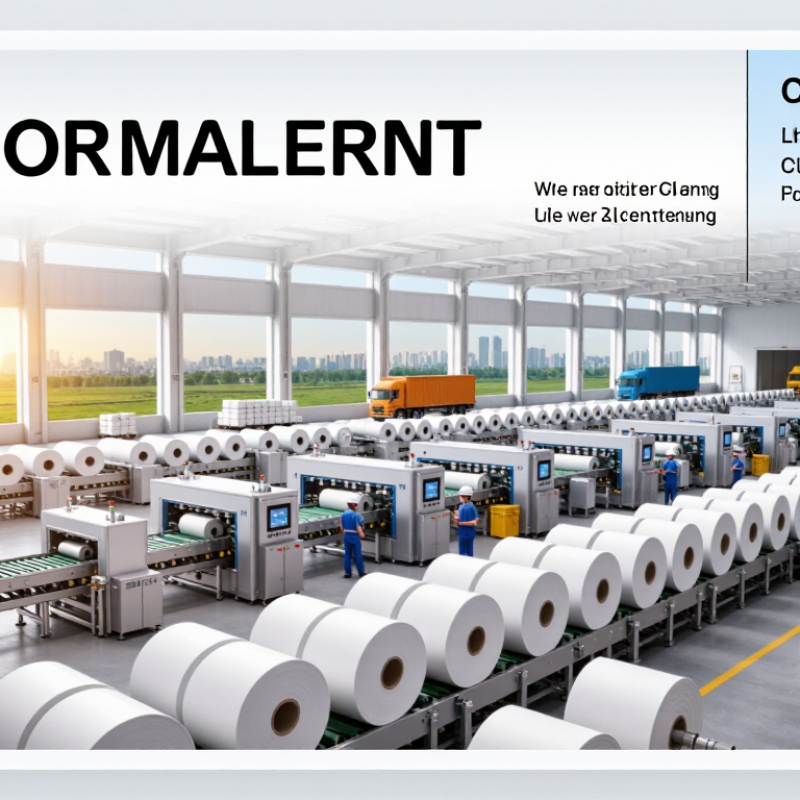
China Top 10 Roll Parent Tissue Paper Manufacturers?

What Is Roll Parent Tissue Paper?

Roll parent tissue paper is the large, unfinished tissue web supplied in jumbo rolls for later converting. It is not a finished napkin, towel, or toilet roll. Converters unwind it, slit it, emboss it, fold it, and package it. The roll normally includes a paper core, controlled width, set diameter, and specified basis weight. Softness, tensile strength, absorbency, moisture, and dust levels also matter.

Smithers’ The Future of Tissue and Hygiene to 2028 projects global tissue consumption to approach 50 million tonnes by 2028. This expanding demand increases pressure on parent-roll consistency. A small moisture variation can cause wrinkles, weak perforations, or unstable embossing. ISO 12625 methods support testing for grammage, tensile strength, and water absorption. These tests create useful evidence, but laboratory results cannot replace a production trial.

From my experience, the cheapest roll is rarely the safest choice. A buyer should check fiber composition, roll hardness, core fit, splice design, and storage conditions. The specification sheet may look complete. It can still miss machine behavior. I would request samples from the actual production lot, then test them on the target converting line. That step often reveals dust, edge damage, or uneven winding. A reliable manufacturer should provide traceable test data, clear tolerances, and honest answers when performance falls short.

How China’s Top Manufacturers Are Evaluated

Evaluating China’s top roll parent tissue paper manufacturers requires more than checking production volume. A reliable assessment begins with verified mill experience, stable raw material sourcing, and clear quality records. Buyers should examine GSM accuracy, roll diameter, moisture levels, and tensile strength. Small variations can cause feeding problems during converting.

Factory visits reveal details that brochures often miss. Inspectors can review pulp storage, dust control, laboratory equipment, and packing conditions. A sample roll should be tested before shipment, not judged by appearance alone. Independent laboratory reports add authority when measurements are disputed. Production capacity also matters, but unused machinery proves little. Recent orders, maintenance logs, and delivery records offer stronger evidence.

Commercial reliability includes communication, traceability, and response speed after a complaint. Manufacturers should explain how they isolate defective batches and correct recurring faults. Food-contact or hygiene-related documentation must match the intended market and current requirements. Certifications deserve verification through issuing bodies, not copied files. No scorecard is perfect. My own early evaluations sometimes favored low prices and overlooked moisture consistency. That mistake taught me to compare total converting performance, waste rates, and downtime. A strong supplier remains consistent when demand rises, specifications change, or a shipment needs careful investigation.

China’s Top 10 Roll Parent Tissue Paper Manufacturers

China’s Top 10 Roll Parent Tissue Paper Manufacturers

China’s top ten roll parent tissue paper manufacturers are commonly assessed through production capacity, fiber quality, and export reliability. This selection should not rely on advertising claims alone. A practical review examines machine width, monthly output, moisture control, and jumbo roll consistency. These details affect converting speed and finished tissue quality.

Experienced buyers usually request product samples before signing long-term contracts. Check basis weight, tensile strength, softness, brightness, and core dimensions. A stable supplier should provide recent test reports and clear pulp sourcing information. Factory audits can reveal storage conditions, dust control, wastewater management, and packing methods. Small details matter. Wet or poorly wrapped rolls may arrive damaged after ocean transport.

The strongest manufacturers often offer recycled, virgin, or blended-fiber grades for different markets. They should explain how each grade performs on facial tissue, toilet tissue, napkins, or kitchen towels. Delivery records also deserve careful attention, especially during peak seasons. No ranking is perfect. A large mill may offer attractive prices but limited customization. A smaller producer may respond faster, yet lack backup capacity. Buyers should recheck certificates, lead times, payment terms, and complaint procedures before choosing among China’s top ten suppliers. One overlooked specification can increase waste, even when the quoted price looks competitive.

China’s Top 10 Roll Parent Tissue Paper Manufacturers

China’s household paper market, including tissue products, has expanded steadily. The chart presents rounded industry-level production and consumption figures rather than company or brand data.

Source: Rounded figures based on publicly reported annual statistics from the China Paper Association and related industry reports; values are shown in million metric tonnes.

Product Types, Quality Standards, and Production Capabilities

China’s top roll parent tissue paper manufacturers differ in product range, quality control, and production scale. A strong supplier may produce jumbo rolls for toilet tissue, facial tissue, kitchen towels, napkins, and medical applications. Common material choices include virgin pulp, recycled fiber, and blended grades. Each option affects softness, strength, color, dust, and cost.

Quality should be checked through measurable data, not attractive samples alone. Buyers should review basis weight, moisture, tensile strength, absorbency, softness, brightness, and lint levels. Certificates such as ISO 9001, ISO 14001, FSC, or PEFC can support supplier evaluation. Food-contact or hygiene grades may require additional testing in the destination market. Batch records and retained samples also improve traceability. Small details matter.

Production capability deserves equal attention. Larger mills may operate wide paper machines, automated rewinding lines, and high-volume slitting equipment. This can support stable supply for converting plants. However, capacity claims should be verified through machine lists, recent inspection records, and realistic delivery schedules. A factory with many machines is not automatically consistent. I have seen specifications change between trial orders and mass production. Clear tolerances, pre-shipment inspection, and written approval samples reduce that risk. Some manufacturers also offer customized width, roll diameter, core size, and packaging. Customization is useful, but excessive variation can increase waste and complicate quality control.

How to Select the Right Chinese Manufacturer

China’s parent tissue market is large, but size alone cannot confirm manufacturing quality. The China Paper Association’s 2023 annual report recorded household paper output above 11 million tonnes. Smithers also identifies Asia as a major growth engine for global tissue demand through 2028. This scale creates many supplier choices, yet factory capability varies sharply.

Ask for a recent mill audit, not only a polished catalogue. Check pulp sources, basis-weight control, moisture levels, tensile strength, and reel winding accuracy. A serious manufacturer should provide test records from recognized laboratories. ISO 9001 systems help, but certificates need verification. Environmental credentials also deserve careful review. Request water-use data, energy figures, and waste-handling procedures.

Visit the production floor if possible. Look at parent rolls leaving the rewinder. Are edges clean? Is the core centered? Ask how defects are isolated before loading. Confirm monthly capacity, minimum order quantity, packaging details, and realistic lead times in writing. A trial order can reveal more than a sales presentation. It should test several basis weights and shipping conditions. I have seen buyers focus heavily on price, then discover unstable moisture during converting. That mistake is expensive. Still, one factory visit cannot prove long-term reliability. Review at least three deliveries, inspect complaint records, and keep performance comparisons transparent.

China Top 10 Roll Parent Tissue Paper Manufacturers? - How to Select the Right Chinese Manufacturer

Selection Dimension Practical Benchmark for Roll Parent Tissue What the Buyer Should Verify Suggested Weight Pass Indicator
1. Product Specification Control The supplier should consistently control basis weight, roll width, roll diameter, core size, moisture, and paper grade according to the purchase specification. Request a current technical data sheet, approved sample, production specification, and certificate of analysis for each shipment lot. 15% Clear tolerances and documented testing
2. Fiber and Pulp Transparency The mill should clearly identify whether the furnish uses virgin pulp, recycled fiber, or a defined blend, because fiber composition affects softness, strength, absorbency, and appearance. Check pulp origin statements, recycled-content documentation where applicable, supplier declarations, and consistency between samples and mass production. 12% Traceable furnish information
3. Production Capacity Capacity should be evaluated against the buyer’s monthly demand, required delivery frequency, machine availability, and peak-season requirements rather than by a single advertised output figure. Review realistic monthly capacity, available machine lines, planned maintenance periods, historical order volume, and capacity reserved for export customers. 12% Capacity matches forecast demand
4. Quality Management System A reliable manufacturer should use documented incoming-material inspection, in-process controls, finished-roll inspection, nonconformity handling, and corrective-action procedures. Ask for quality-process documents, inspection records, calibration records, defect classifications, and recent third-party audit results. 12% Repeatable, recorded QC process
5. Food, Hygiene, and Chemical Compliance For tissue intended for food contact, personal care, or sensitive-use applications, compliance requirements must be confirmed for the destination market. Verify applicable declarations, laboratory test reports, restricted-substance controls, chemical safety documentation, and ink or additive compliance when relevant. 10% Destination-market documents available
6. Export and Packaging Capability Parent rolls require stable wrapping, moisture protection, edge protection, labeling, palletization, and container-loading procedures to reduce transit damage. Review packaging drawings, loading photographs, pallet specifications, carton or wrapping materials, shipping marks, and packaging test results. 10% Packaging protects rolls in transit
7. Lead Time and Delivery Reliability The supplier should provide a production lead time that includes raw-material planning, manufacturing, inspection, packing, and export documentation. Compare quoted lead time with historical delivery performance, order-confirmation procedures, delay-notification rules, and backup production arrangements. 10% Documented and measurable delivery record
8. Cost Structure and Commercial Terms The lowest quoted price is not always the lowest total cost; freight, moisture loss, rejected rolls, packaging, payment terms, and currency exposure should be included. Request a comparable quotation showing product price, Incoterm, minimum order quantity, payment terms, packing charges, sample charges, and validity period. 10% Comparable landed-cost calculation
9. Customization and Technical Support Suitable suppliers should be able to discuss reel dimensions, converting-machine compatibility, strength targets, softness requirements, packaging, and trial-order adjustments. Evaluate sample-development speed, technical communication, trial-roll support, problem-solving ability, and willingness to provide process recommendations. 5% Responsive technical cooperation
10. Sustainability and Traceability Sustainability claims should be supported by traceability and applicable certification or audit evidence, not only by marketing statements. Check chain-of-custody documentation where claimed, recycled-fiber evidence where applicable, energy and water-management policies, waste controls, and audit scope. 4% Claims supported by evidence

Recommended method: score each shortlisted manufacturer from 1 to 5 for every dimension, multiply the score by the suggested weight, and approve suppliers only after sample testing, document verification, and a controlled trial order.

Whether your solution requires a single pumping application or an expansive engineered system,
CheckPoint is committed to becoming your partner in excellence.