


Why Choose a Chemical Diaphragm Pump for Your Business Needs?

In today's industrial landscape, businesses face various challenges in fluid management. Selecting the right pump can greatly impact efficiency and safety. A chemical diaphragm pump stands out for its unique benefits. Its design features create reliable operation in handling aggressive fluids.

Many industries, such as pharmaceuticals and chemicals, face stringent regulations. A chemical diaphragm pump ensures compliance while maintaining high performance. These pumps offer excellent resistance to corrosive substances, minimizing risks associated with product contamination. Training operators to use these pumps correctly is crucial.

However, not all applications are suited for diaphragm pumps. Some businesses might overlook the limitations of specific models. This could lead to inefficiencies and unexpected costs. Therefore, careful assessment and expert consultation are vital before making a decision. A well-informed choice could enhance operational reliability and contribute to long-term success.
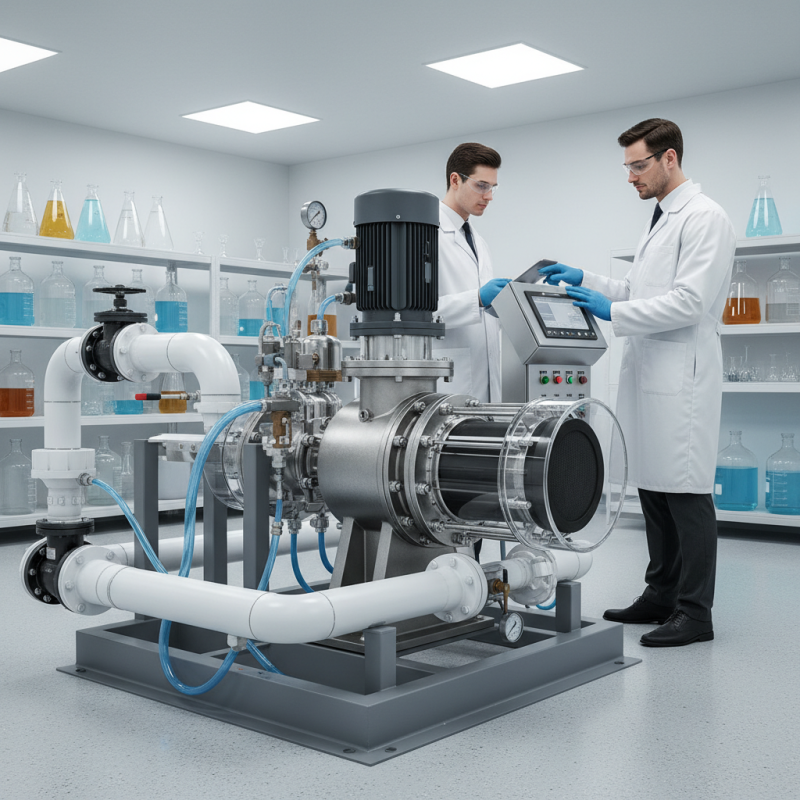
Why Choose a Chemical Diaphragm Pump for Your Business Needs?

Advantages of Chemical Diaphragm Pumps in Industrial Applications

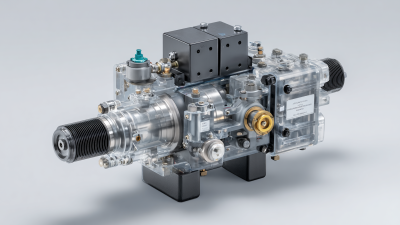
Chemical diaphragm pumps are increasingly popular in industrial applications due to their unique advantages. One significant benefit is their ability to handle corrosive liquids safely. These pumps use diaphragms to separate the liquid from the pump mechanism. This design minimizes wear and prevents contamination. Industries dealing with harsh chemicals find this feature crucial.

Another advantage is the precise flow control these pumps offer. They can deliver a consistent flow rate, which is vital for processes that require accuracy. Whether it’s dosing chemicals or transferring fluids, a diaphragm pump can ensure the right amount is delivered every time. This reliability reduces the risk of errors in critical applications.

However, it's essential to consider that while diaphragm pumps are robust, they may require regular maintenance. The diaphragms can wear out over time, impacting performance. Businesses need to monitor pump conditions to ensure optimal operation. Investing in quality pumps and training staff in maintenance protocols can mitigate these risks, leading to a smoother operation in the long run.

Why Choose a Chemical Diaphragm Pump for Your Business Needs? - Advantages of Chemical Diaphragm Pumps in Industrial Applications

Advantage Description Common Applications Materials Handled
Chemical Resistance Able to handle aggressive chemicals without degradation. Chemical processing, wastewater treatment. Acids, solvents, bases.
Leak-Free Operation Prevent leaks through a sealed system. Pharmaceuticals, food processing. Various viscous liquids.
Self-Priming Can create suction without priming. Mining, oil extraction. Slurries, adhesives.
Versatility Suitable for a wide range of applications and liquids. Agriculture, chemical injection. Chemicals, water, sludge.
Ease of Maintenance Simple design allows for easy repairs and maintenance. Waste management, industrial cleaning. Cleaning agents, industrial chemicals.

Key Features of Chemical Diaphragm Pumps for Business Efficiency

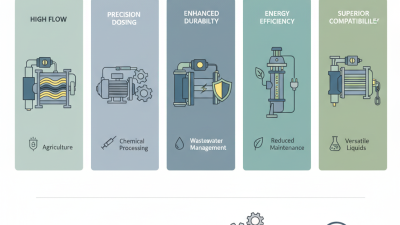
Chemical diaphragm pumps are essential for various industries. They offer several key features that enhance business efficiency. The design minimizes leakage, making them ideal for transferring hazardous chemicals. Their ability to handle a wide range of fluids adds versatility to operations.

A significant advantage is their self-priming capability. This means they can draw fluids automatically, reducing manual handling. Additionally, these pumps usually feature adjustable flow rates. This allows businesses to tailor the pump's operation to specific needs, optimizing resource usage.

Tips: Regular maintenance is crucial. Check for wear and tear periodically to ensure optimal performance. Also, consider the pump's materials; they must be compatible with the chemicals you use. Lastly, invest in training for your team to handle the pumps effectively. Knowledge about the equipment can prevent mishaps and enhance safety.

Comparison of Chemical Diaphragm Pumps with Other Pump Types

Why Choose a Chemical Diaphragm Pump for Your Business Needs?

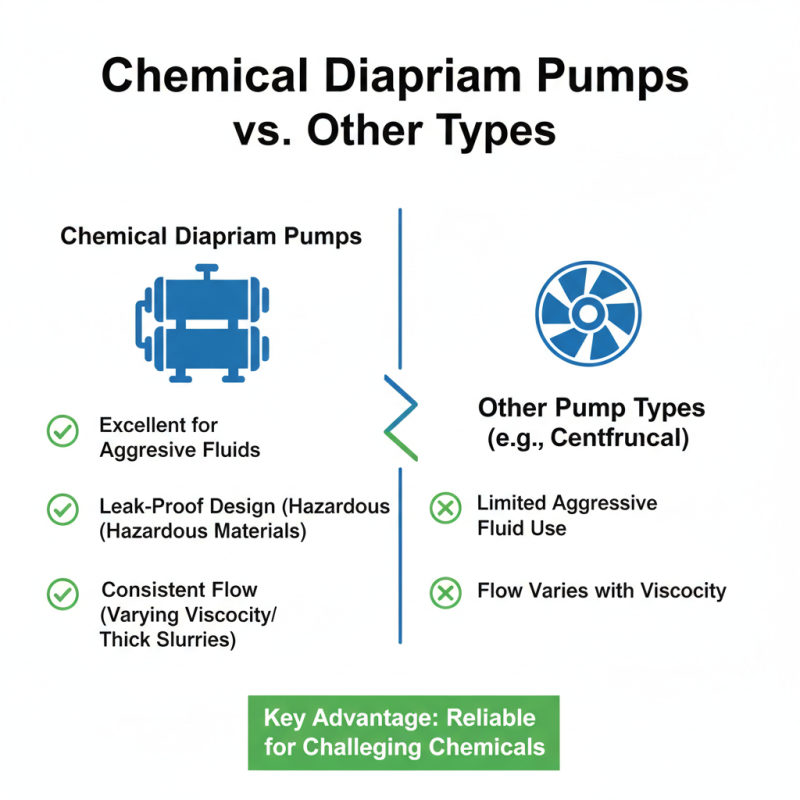
When evaluating pump options for chemical handling, comparing chemical diaphragm pumps with other types is crucial. Chemical diaphragm pumps excel in transferring aggressive fluids. They are designed to prevent leaks, making them suitable for hazardous materials. Unlike centrifugal pumps, diaphragm pumps maintain a consistent flow rate, even with varying viscosity. This can be vital when working with thick slurries or adhesives.

However, diaphragm pumps can be slow. For high-volume applications, centrifugal pumps may outperform them. While diaphragm pumps handle harsh chemicals well, they may experience wear and require maintenance over time. Their ability to self-prime offers convenience but can lead to inefficiencies if not properly maintained. It's essential to weigh these pros and cons based on your specific needs.

In contrast, peristaltic pumps are easier to clean and offer excellent control over flow rates. They can be more suitable for sterile applications. Yet, they often struggle with highly viscous fluids. The choice of the right pump depends on the material being processed and the desired outcome. Understanding the nuances of each type ensures better decision-making for your business.

Maintenance and Longevity Considerations for Diaphragm Pumps

When selecting a chemical diaphragm pump, maintenance and longevity are crucial factors. Effective maintenance ensures the pump operates efficiently over time, with minimal downtime. Data from industry reports indicate that well-maintained diaphragm pumps can last up to 10 years, depending on usage and environment.

Regular inspection of diaphragm materials is key. Over time, exposure to harsh chemicals can degrade these materials. Checking for wear and tear can prevent unexpected failures. Tips for maintenance include scheduling routine inspections. Keep an eye on the pump's pressure levels, and replace filters as necessary.

It's important to acknowledge that no pump is fail-proof. Even diaphragm pumps can encounter issues, such as diaphragm rupture or valve failures. Operators should be prepared for potential setbacks. Setting up a proactive maintenance schedule can significantly reduce these risks. Monitoring performance metrics helps identify problems early, ensuring long-term reliability in operations.

Environmental and Safety Benefits of Using Diaphragm Pumps

Why Choose a Chemical Diaphragm Pump for Your Business Needs?

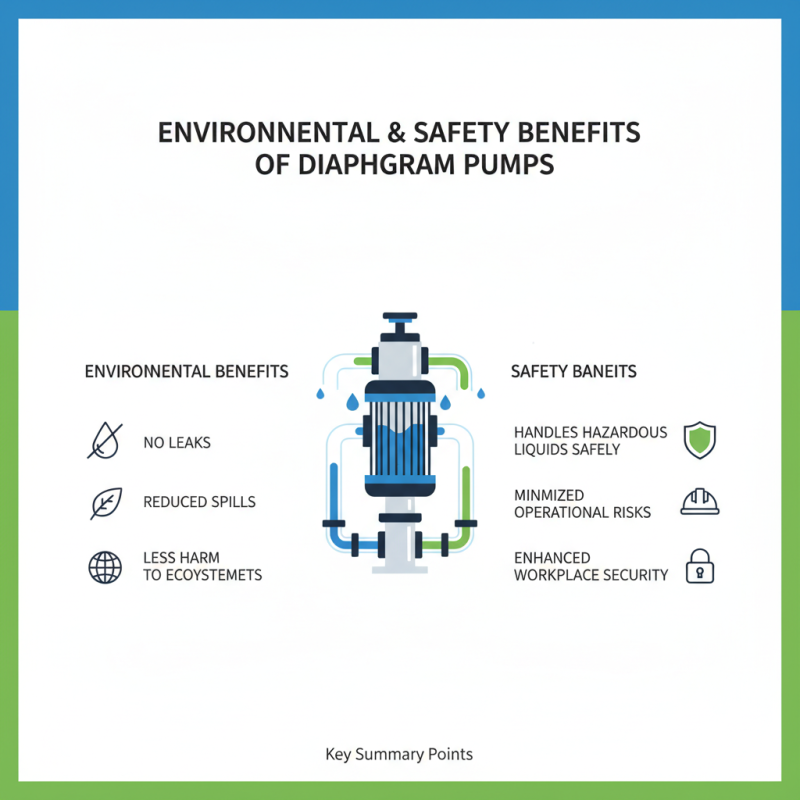
Diaphragm pumps are gaining attention for their environmental and safety advantages. They effectively handle hazardous liquids without leaks. This is crucial for industries where safety is a top priority. The design minimizes risks during operation, reducing the chances of spills. Fewer spills lead to less environmental harm.

Another benefit is their energy efficiency. These pumps require less power compared to many traditional options. This lowers energy costs and reduces carbon footprints. Maintenance is also simpler. Regular checks can prevent major issues, ensuring longevity and reliability. However, companies must train staff properly to operate these pumps. Mistakes in handling can negate safety advantages.

While diaphragm pumps offer great benefits, they aren't perfect. They can struggle with certain viscous fluids. Sometimes, their performance may fluctuate under extreme conditions. Operators must be aware of these limitations. With proper training and regular maintenance, many issues can be avoided. Understanding these factors is vital for harnessing their full potential.

Whether your solution requires a single pumping application or an expansive engineered system,
CheckPoint is committed to becoming your partner in excellence.