



How to Choose the Best Andalusite Refractory Brick for Your Needs?

Choosing the right andalusite refractory brick is crucial for high-temperature applications. According to a report by Global Market Insights, the refractory materials market is projected to reach $35 billion by 2027. This growth directly reflects the increasing demand for efficient refractory solutions across industries such as steel and glass manufacturing.

Andalusite refractory bricks are especially valued for their excellent thermal shock resistance. They can withstand harsh environments, making them ideal for various applications. However, selecting the best product can be challenging. Factors like purity, density, and mechanical strength play significant roles in performance.

As you navigate your options, consider the specific requirements of your project. Not all andalusite refractory bricks are created equal. Assessing supplier reliability and product certification is vital. While many manufacturers claim superiority, not all will meet industry standards. Therefore, thorough research is essential for making informed decisions.
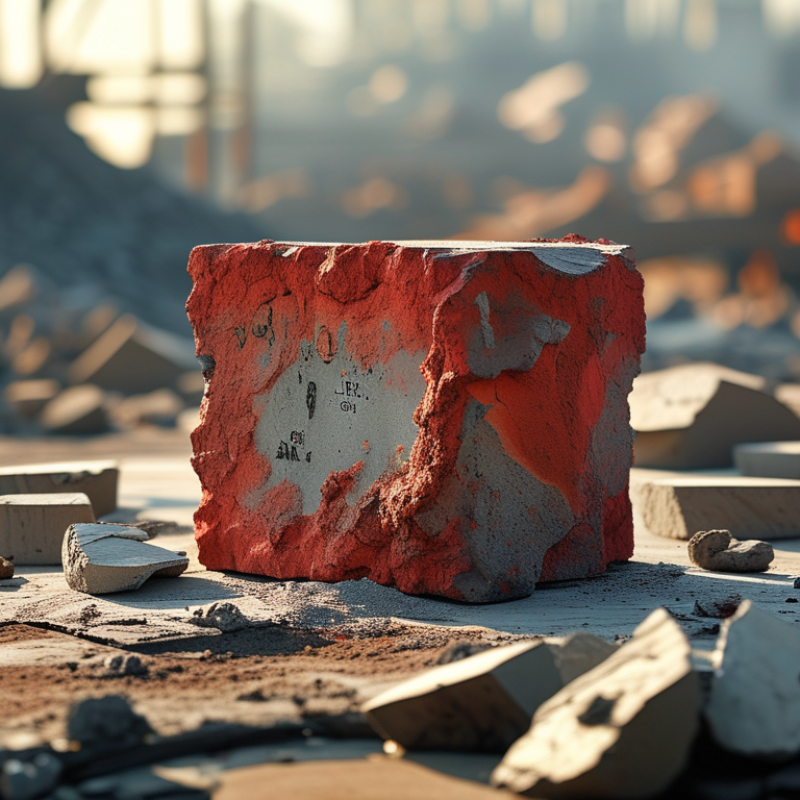
How to Choose the Best Andalusite Refractory Brick for Your Needs?

Understanding the Properties of Andalusite Refractory Bricks in Industry

Andalusite refractory bricks offer unique properties essential for high-temperature industrial applications. They excel in thermal stability and resistance to thermal shock. According to a recent industry report, these bricks can withstand temperatures up to 1900°C, making them ideal for steel and glass manufacturing.

The mineral composition is a key factor. Andalusite is a naturally occurring alumino-silicate. Its structure enhances mechanical strength and reduces thermal expansion. This results in lower risks of cracking under heat stress. Industry experts highlight the thermal conductivity of andalusite bricks, typically around 2.5 W/m·K, which optimizes energy efficiency in firing processes.

However, not all andalusite products are created equal. Quality can vary significantly based on the source and manufacturing techniques. Potential buyers should consider the purity of the raw materials used. Even slight impurities can affect performance. Testing samples from different suppliers can prevent costly errors down the line. These details emphasize the need for careful selection to ensure optimal performance in extreme conditions.

Assessing Thermal Stability and Performance Metrics for Refractory Solutions

When selecting andalusite refractory bricks, understanding their thermal stability is key. Thermal stability refers to a material's ability to withstand high temperatures without significant degradation. According to industry reports, andalusite bricks maintain structural integrity at temperatures exceeding 1,500°C. This makes them suitable for various high-temperature applications.

Performance metrics also play a crucial role in choosing the right refractory solution. For instance, the thermal conductivity of andalusite bricks ranges from 0.5 to 1.5 W/m·K, offering a balanced insulation and heat retention. However, not all products within this category exhibit the same performance levels. Variations in manufacturing methods can result in inconsistent thermal behaviors.

Furthermore, consider the impact of porosity on overall performance. Lower porosity typically leads to decreased thermal shock resistance, crucial in many industrial environments. Empty spaces can be a weak point, and excessive porosity might lead to premature failure. Users must assess specific use cases to ensure optimal selections. This nuanced understanding ensures an effective and reliable refractory solution.

Comparative Analysis of Andalusite vs. Other Refractory Materials

When comparing andalusite refractory bricks to other options, various factors come into play. Andalusite has a unique crystal structure, providing excellent thermal stability and low thermal expansion. This makes it highly advantageous for high-temperature applications. In contrast, some other refractory materials may not offer the same level of performance under extreme conditions.

However, andalusite is not without its limitations. Its cost can sometimes be higher than alternative materials such as fire clay or alumina. Therefore, it’s crucial to evaluate your specific needs and budget. Consider the operating temperature, chemical exposure, and mechanical stress your application demands.

Tips: Always assess the specific thermal, chemical, and mechanical conditions of your operation. Engage with refractory experts when in doubt. Remember, the right choice can dramatically affect performance.

Also, ensure adequate testing of any material before full-scale implementation. Deficiencies in reliability or durability can lead to costly failures and downtime. Balancing cost with quality is essential in making a sound decision. Evaluating your options thoughtfully will guide you to the best solution for your needs.

Comparative Analysis of Andalusite vs. Other Refractory Materials

Evaluating Mechanical Strength and Durability of Andalusite Bricks

When choosing andalusite refractory bricks, evaluating mechanical strength and durability is essential. These bricks must withstand extreme temperatures and mechanical stresses. The chemical composition and firing process significantly influence these properties. Typically, high-purity andalusite enhances durability. This characteristic ensures that bricks resist wear and tear in harsh environments.

Tips: Always request test data for mechanical strength. Look for detailed reports from previous applications. This can provide insights into the brick's long-term performance.

Another aspect to consider is the brick's porosity and thermal conductivity. Low porosity typically indicates better durability. Ensure the bricks you choose have been tested under similar conditions to your specific needs.

Tips: Examine the manufacturer’s specifications closely. Compare different bricks against standardized tests for mechanical strength. This will help you make informed decisions.

How to Choose the Best Andalusite Refractory Brick for Your Needs?

Property Value Importance
Compressive Strength > 50 MPa High
Thermal Conductivity 0.8 - 1.2 W/m·K Medium
Density 2.6 - 2.9 g/cm³ Medium to High
Cold Crushing Strength > 30 MPa High
Thermal Shock Resistance Good High
Service Temperature 1400 - 1600°C High

Cost Considerations and Longevity of Andalusite Refractory Applications

When considering andalusite refractory applications, cost factors are crucial. The initial investment may seem high. However, this choice can lead to better long-term savings. Quality materials can withstand extreme temperatures and reduce maintenance needs. This translates to fewer replacements and lower operational costs over time.

Longevity is another key aspect. Andalusite bricks often outperform other materials in harsh industrial environments. They can endure thermal shock and chemical exposure. This durability can extend the life of your furnace or kiln. Regular evaluations may highlight areas for improvement, ensuring optimal performance.

Despite their advantages, not all andalusite bricks are equal. Factors such as purity and manufacturer practices vary. Small imperfections may lead to premature failure. Factory audits and material testing can provide insight into quality. Investing time in research is as vital as making the purchase itself.

Whether your solution requires a single pumping application or an expansive engineered system,
CheckPoint is committed to becoming your partner in excellence.