


Choosing the right China Control Valve supplier requires more than comparing prices on a quotation sheet. The valve may regulate steam, water, gas, or corrosive media under demanding conditions. A small material error can cause leakage, unstable flow, or costly downtime. Buyers should examine application data, pressure ratings, temperature limits, valve materials, and actuator performance before discussing volume.
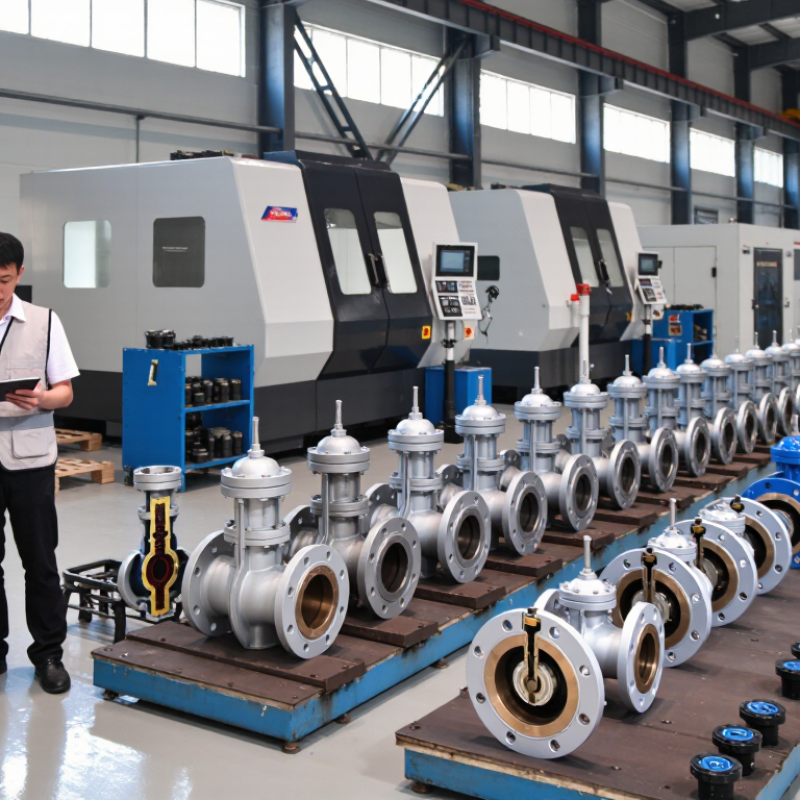
Experience matters during supplier evaluation. A dependable manufacturer should explain sizing calculations clearly and recommend a suitable valve design. Ask for material certificates, pressure-test records, inspection procedures, and product traceability. Factory audits can reveal practical details, including machining accuracy, assembly cleanliness, calibration equipment, and spare-parts storage. Certifications are useful, but they should support real quality controls rather than replace them.
Look beyond the brochure.
Communication is another important test. Can the supplier answer technical questions without vague promises? Does the engineering team understand your process conditions and maintenance expectations? Export experience, documented quality systems, and responsive after-sales support also reduce operational risk. Still, no checklist is perfect. A supplier with an impressive website may have inconsistent production, while a smaller factory may provide stronger engineering attention. This is where careful verification matters. Compare samples, inspect records, confirm delivery capability, and request references from relevant industries. The best choice is not always the cheapest offer. It is the supplier that combines verified performance, transparent communication, and dependable long-term support.
How to Choose the Best China Control Valve Supplier?
Define Your Control Valve Requirements and Operating Conditions
A reliable supplier search begins with clear process data, not attractive pricing. Record the fluid type, normal flow, minimum flow, pressure range, and operating temperature. Include viscosity, density, solids, and corrosive properties when relevant. These details guide valve size, trim material, pressure class, and sealing design.
Specify the required flow coefficient, or Cv, and state the control range. Explain whether the valve must handle cavitation, flashing, high noise, or frequent cycling. Actuator details matter too. Identify the available air supply, fail position, response time, and control signal. A valve installed beside a hot pipeline needs different protection from one used in a clean water skid.
Field experience shows that missing information causes expensive revisions. A spreadsheet is not enough. Ask the supplier to review your operating envelope and provide sizing calculations, material certificates, inspection records, and functional test results. Confirm how the valve performs at minimum and maximum loads, not only at the design point.
Be precise, but remain realistic. Process conditions may change after commissioning. I have seen specifications focus heavily on peak pressure while overlooking low-load instability. That oversight can create hunting, noise, and premature wear. Request drawings, maintenance clearances, spare-part details, and documented quality controls before comparing quotations.
| Requirement Dimension | Typical Data or Example | Why It Matters for Valve Selection | Information to Request from a Supplier |
|---|---|---|---|
| Fluid Type | Water, steam, air, natural gas, oil, slurry, or corrosive chemical | The medium determines the body, trim, seat, packing, and actuator materials. | Material compatibility chart, service references, and recommended valve configuration |
| Normal Flow Rate | For example: 10–40 m³/h of water | Flow rate is required to calculate the valve flow coefficient, commonly expressed as Cv or Kv. | Cv/Kv calculation, rated capacity, minimum controllable flow, and maximum flow capacity |
| Minimum and Maximum Flow | Minimum: 10 m³/h; normal: 25 m³/h; maximum: 40 m³/h | The operating range helps prevent poor control at low flow and excessive velocity at high flow. | Rangeability, inherent flow characteristic, and turndown performance |
| Inlet and Outlet Pressure | Inlet: 10 bar(g); outlet: 7 bar(g); pressure drop: 3 bar | Pressure drop affects valve capacity, noise, cavitation risk, and actuator force. | Sizing calculation, allowable pressure drop, anti-cavitation options, and noise prediction |
| Operating Temperature | Normal: 80°C; minimum: 10°C; maximum: 120°C | Temperature affects pressure rating, seal life, thermal expansion, and material selection. | Temperature limits for the body, trim, seat, packing, gasket, and actuator accessories |
| Fluid Phase | Liquid, gas, saturated steam, superheated steam, or two-phase flow | Two-phase and flashing services require special sizing and may need hardened trim or anti-cavitation design. | Flashing or cavitation assessment, phase-specific sizing, and trim recommendation |
| Valve Size and Connection | DN50, DN80, or DN100; flanged, threaded, or welded connection | The connection must match the pipeline standard, face-to-face dimension, and installation space. | Nominal size, pressure class or PN rating, flange standard, face-to-face dimension, and drawings |
| Pressure Rating | PN16, PN25, Class 150, or Class 300, subject to temperature derating | The selected rating must withstand the maximum allowable working pressure at the operating temperature. | Pressure-temperature rating table, hydrostatic test pressure, and applicable design standard |
| Control Function | Modulating control, on/off isolation, pressure control, flow control, or level control | A modulating application requires a suitable control characteristic and accurate positioning; isolation service requires tight shutoff. | Control objective, required shutoff class, control accuracy, and response-time data |
| Flow Characteristic | Equal-percentage, linear, or quick-opening | Equal-percentage trim is commonly used for pressure control; linear trim is suitable when flow and valve travel are proportionally related. | Inherent and installed characteristic curves, controllable range, and calibration data |
| Shutoff Requirement | Leakage Class IV, V, or VI, depending on the process requirement | Higher shutoff performance may require a different seat design, actuator force, and testing procedure. | Specified leakage class, test medium, test pressure, and certified test results |
| Actuator Type | Pneumatic diaphragm, pneumatic piston, electric, or hydraulic actuator | The actuator must provide sufficient thrust or torque under the worst pressure and temperature conditions. | Actuator sizing calculation, fail position, available utility pressure, and manual override options |
| Failure Position | Fail-open, fail-closed, or fail-in-place | The valve must move to the safest condition when instrument air, power, or control signal is lost. | Cause-and-effect logic, spring-return design, emergency shutdown requirements, and response time |
| Materials | Carbon steel, stainless steel, alloy steel, PTFE seat, metal seat, or hardened trim | Materials must resist corrosion, erosion, temperature effects, and process contamination. | Material certificates, trim hardness, corrosion compatibility, and material traceability |
| Noise and Vibration | Design target commonly limited to approximately 80–85 dBA at 1 m, subject to project requirements | High velocity and pressure drop can create excessive noise, vibration, and shortened service life. | Predicted sound level, velocity calculation, vibration assessment, and noise-reduction options |
| Ambient Conditions | Indoor or outdoor installation; ambient temperature from −20°C to 50°C; dust, humidity, or salt exposure | Environmental conditions influence enclosure protection, coating, actuator materials, and electrical components. | Ingress-protection rating, coating system, hazardous-area certification, and ambient temperature limits |
| Instrumentation | 4–20 mA control signal, digital communication, position feedback, solenoid valve, and air filter regulator | Compatible instrumentation improves positioning accuracy, diagnostics, and integration with the control system. | Instrument list, wiring diagram, signal standard, communication protocol, and calibration certificate |
| Applicable Standards | IEC 60534, IEC 60534-4, IEC 60534-8-3, ISO 5208, ASME B16.34, or project-specific standards | Standards define sizing methods, pressure testing, leakage testing, dimensions, and performance verification. | Compliance matrix, design standard, inspection and test plan, and certificates of conformity |
| Maintenance and Spare Parts | Replaceable seat, packing, diaphragm, actuator spring, positioner, and gasket components | Standardized and available parts reduce downtime and lifecycle cost. | Recommended spare-parts list, maintenance manual, parts interchangeability, and expected service intervals |
| Inspection and Documentation | Dimensional inspection, pressure test, leakage test, material certificate, and functional test | Complete documentation verifies that the supplied valve meets the purchase specification. | Inspection plan, test reports, drawings, certificates, calibration records, and operating manuals |

Whether your solution requires a single pumping application or an expansive engineered system,
CheckPoint is committed to becoming your partner in excellence.