


How to Choose the Best Solar Pump System for Your Needs?
Choosing the right solar pump system can be overwhelming. With so many options available, it’s essential to understand your specific needs. According to Dr. Emily Carter, a solar energy expert, “The right solar pump system can significantly enhance efficiency and sustainability.” This highlights the importance of making a well-informed choice.
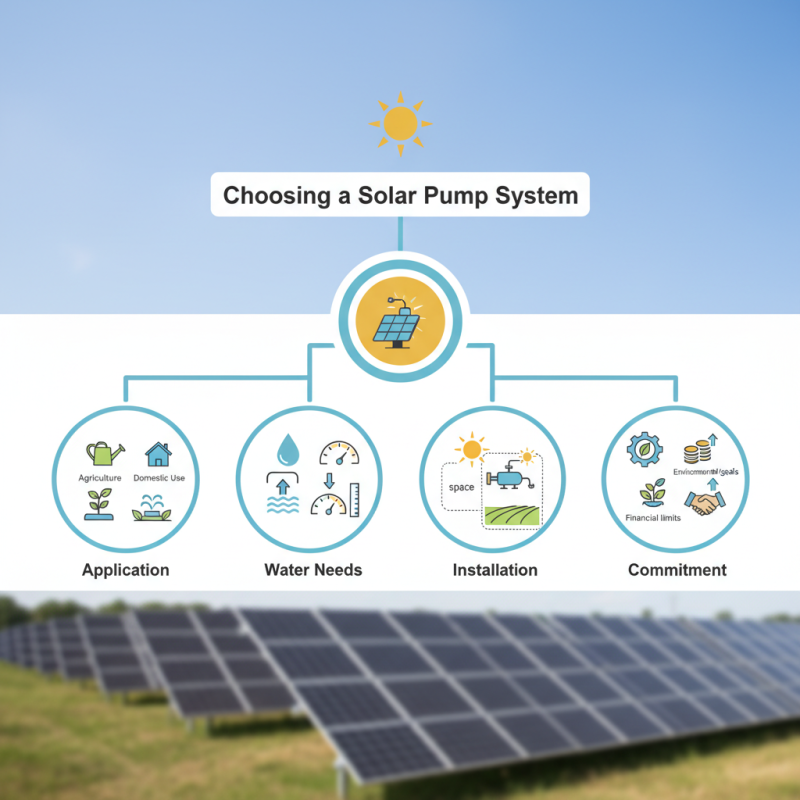
Various factors affect your decision. First, consider the power source. Is it for agriculture, landscaping, or domestic use? Each application requires different specifications. Assessing water needs is crucial. Understand flow rates and depth of water sources to determine the suitable pump type.
Installation also demands attention. Do you have the necessary space and sunlight? A poorly placed solar pump system will yield subpar results. Investing time in research benefits longer-term efficiency and performance. Reflect on your chosen system’s alignment with your environmental goals and financial limits. Selecting a solar pump system is not just a purchase; it’s a commitment to sustainable practices.
Understanding Solar Pump Systems: An Overview
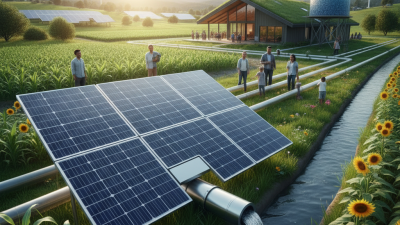
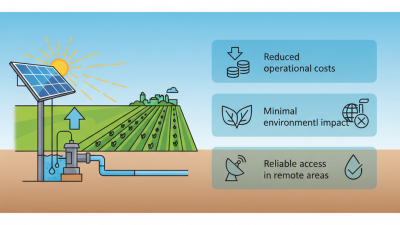
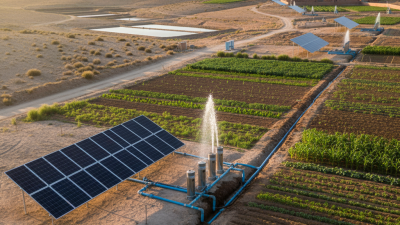
Understanding solar pump systems can seem complex. However, they provide efficient, eco-friendly solutions for various applications. These systems harness sunlight to pump water, making them ideal for agricultural, residential, or garden use. They can operate independently or connect to a conventional power source. The design and efficiency vary based on specific needs.
When selecting a solar pump system, consider the project size. A small garden may only need a low-power pump. In contrast, larger agricultural setups require more robust systems. Assess the available sunlight. Regions with consistent sunlight yield better results. Additionally, think about water sourcing. Are you pumping from a well or a nearby water body? Each scenario demands different pump specifications.
Tips for choosing the right system include consulting with experts. They can offer insights based on experience. Evaluate user reviews but watch for potential biases. Take time to research different models. Not every system fits every situation. Experimenting might lead to a more efficient outcome. Don't hesitate to reach out for help when needed.
Assessing Your Water Needs and Usage Requirements
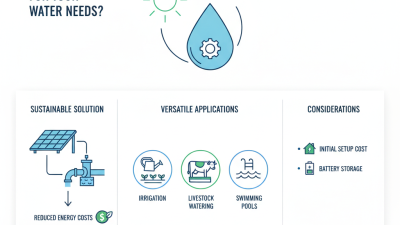
When considering a solar pump system, understanding your water needs is crucial. First, assess how much water you use daily. This varies significantly based on your activities, such as irrigation, livestock, or household purposes. Note that different applications require different flow rates and pressures.
Think about your usage patterns. For instance, do you need a constant supply or intermittent usage? If you rely on it for fields, peak needs may come during dry seasons. Sometimes, users underestimate their requirements, leading to a shortage during critical times. It can be frustrating to have a system that doesn’t meet your expectations.
Evaluate the location as well. Factors like sunlight availability and climate conditions impact pump efficiency. In places with less sunlight, systems may underperform. Regular maintenance is essential too, but many overlook this aspect. Reflect on your past experiences to make better decisions. Ultimately, thorough assessment now can save you from larger issues later.
Evaluating Types of Solar Pumps Available on the Market
When evaluating types of solar pumps available on the market, it's crucial to understand their functions. Solar pumps generally fall into three categories: submersible pumps, surface pumps, and solar irrigation pumps. Each type serves different needs. Submersible pumps are ideal for deep well applications, while surface pumps are suitable for shallow water resources. Solar irrigation pumps specifically cater to agricultural needs, making them highly efficient for farming.
According to a 2022 market report, the global solar pump market is projected to grow by over 13% annually. This growth is driven by a rising demand for sustainable energy solutions. Energy efficiency is a significant factor to consider. For instance, submersible pumps might reach efficiencies above 90%, while some surface pumps may only achieve around 60%. Understanding these figures can help in making informed decisions.
Installation and maintenance are important considerations. Some systems require extensive setup, which may involve technical expertise. Others are designed for easy installation, often by users themselves. Prospective buyers should weigh their abilities and resources. Reflecting on the balance between convenience and performance is key to finding the right fit. This process is rarely straightforward and can vary greatly based on individual circumstances.
Solar Pump System Types and Their Applications
Factors to Consider When Choosing Solar Pump Components
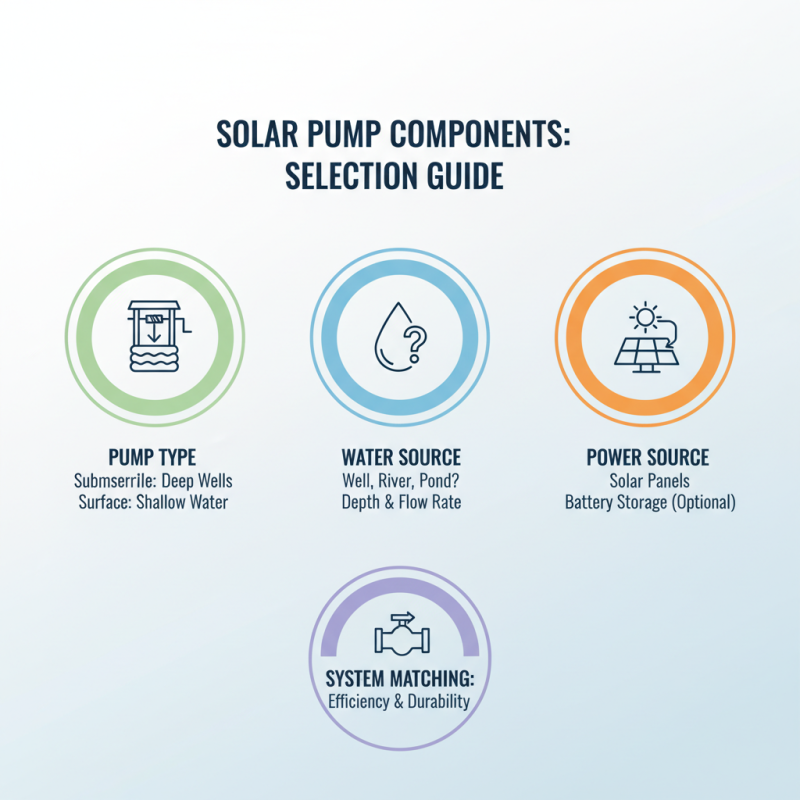
When selecting a solar pump system, several critical components deserve close attention. Start with the pump type. Different applications require different pumps. Submersible pumps work well for deep wells, while surface pumps are suited for shallow applications. Consider the specific water source you have, as it influences pump choice.
Next, evaluate the solar panel capacity. The size and efficiency of solar panels impact overall performance. Ensure that the panel output matches the pump's requirements. If the panels are too small, the pump won't function adequately. Solar inverters also play a role, converting DC power to AC if needed. Check specifications to confirm compatibility.
Lastly, look at the battery storage options. Batteries provide backup power during cloudy days or nighttime. Selecting the right size is crucial for efficiency. Some users might underestimate their energy needs and face challenges later. Regular monitoring of the system’s performance can help identify any inefficiencies early on. Tailoring these components to suit your specific situation can greatly enhance the effectiveness of your solar pump system.
Installation and Maintenance Tips for Solar Pump Systems
Installing a solar pump system requires careful planning and attention to detail. Start by assessing your specific water needs. Determine the flow rate and pressure required for your application. This data will guide your choice of pump size. Additionally, evaluate the location for sunlight exposure. Solar panels need direct sunlight for optimal performance. Choosing the wrong spot can lead to subpar pump efficiency.
Regular maintenance is crucial for longevity. Clean solar panels often to remove dirt and debris. This enhances energy absorption. Check connections and wiring frequently. Loose connections can lead to power loss. Inspect the pump itself for any wear or leaks. Over time, components may degrade, affecting performance. Document any issues as they arise. This helps identify patterns over time.
Mistakes happen, even for seasoned users. For instance, underestimating energy needs can lead to insufficient pump operation. It's vital to calculate all variables accurately. Don't hesitate to seek professional advice if needed. Consulting an expert can save you from costly errors. A thorough understanding reduces the likelihood of problems later on.
How to Choose the Best Solar Pump System for Your Needs? - Installation and Maintenance Tips for Solar Pump Systems
| Feature | Description | Considerations |
|---|---|---|
| Pump Type | Submersible, surface, or vertical pumps | Choose based on depth of water source and installation site |
| Power Source | Solar PV panels or solar thermal | Assess available sunlight and energy needs |
| Flow Rate | Measured in liters per minute (LPM) | Determine water demand of your system |
| Head Height | Total vertical distance the pump needs to lift water | Make sure pump can achieve required height |
| Durability | Resistance to corrosion and wear | Consider materials used for pumps and pipes |
| Installation Complexity | Ease of installing the system | Consider if professional help is needed |
| Maintenance Requirements | Frequency and type of maintenance | Plan for regular inspections and service |
Related Posts
-
Top 10 Solar Pump Systems You Need to Know About?
-
Why You Should Consider a Solar Pump System for Your Water Needs?
-
How to Maximize Efficiency in Your Solar Pump System with Latest Technology Innovations
-
2025 Top 5 Solar Pump Systems: Revolutionizing Water Solutions for Sustainable Living
-
Why a Solar Pump System is the Best Choice for Your Water Needs
-
5 Best Solar Pumps for Efficient Water Management in Agriculture

Whether your solution requires a single pumping application or an expansive engineered system,
CheckPoint is committed to becoming your partner in excellence.