

How to Choose the Right Electric Pumps for Your Needs?

Choosing the right electric pumps can be challenging. According to industry expert John Taylor, “The right pump can significantly improve efficiency and reduce energy costs.” His insight highlights the importance of understanding your specific needs before making a purchase.

Electric pumps come in various types and sizes. Each serves different applications, from agriculture to construction. Selecting one often depends on factors like flow rate and pressure requirements. A mismatched pump can lead to inefficiencies and higher operational costs. It’s crucial to consider the details.

Furthermore, many users overlook maintenance needs. Regular upkeep is vital for long-lasting performance. As Taylor points out, understanding these factors can prevent costly mistakes. It is essential to weigh your options carefully, ensuring the pump aligns with your operational goals.
How to Choose the Right Electric Pumps for Your Needs?

Understanding Different Types of Electric Pumps Available in the Market

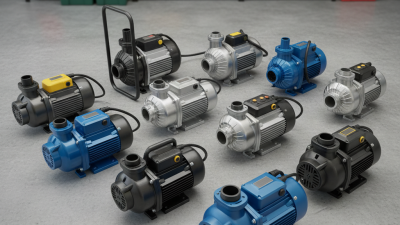
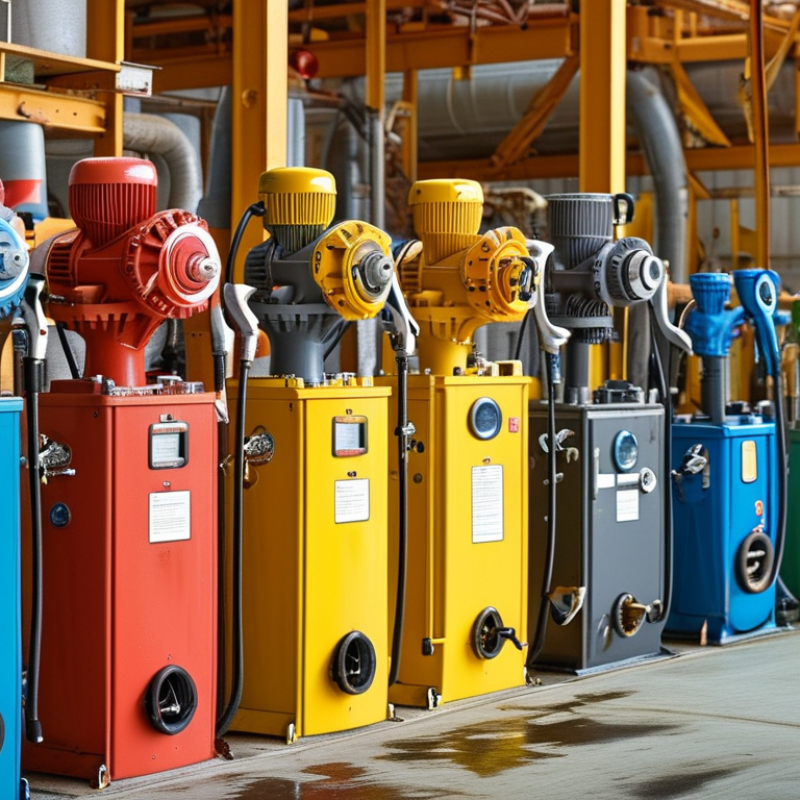
When selecting electric pumps, understanding the different types available is crucial. Electric pumps can be categorized into submersible, centrifugal, and diaphragm pumps. Submersible pumps are designed to operate underwater, making them ideal for draining ponds or flooded areas. Their solid construction helps them resist wear from water and debris. However, they can be challenging to maintain if submerged for long periods.

Centrifugal pumps, on the other hand, use rotational energy to move fluid. They are commonly used in water supply systems and irrigation. While these pumps are efficient, they may struggle with high-viscosity fluids. Choosing the wrong type could lead to inefficiencies. A diaphragm pump offers a different approach, using a flexible diaphragm to move fluid. They are great for precise dosing and can handle a variety of fluids. Yet, their complexity might require a steeper learning curve for new users.

It’s vital to match your pump choice with your specific requirements. Assess factors like flow rate, pressure needs, and the types of fluids you'll be handling. Each type has its pros and cons, and a mismatch can lead to frustration. Take time to research and understand what fits your applications best. Expertise and informed choices will guide you toward the right solution.

Evaluating the Key Features and Specifications of Electric Pumps

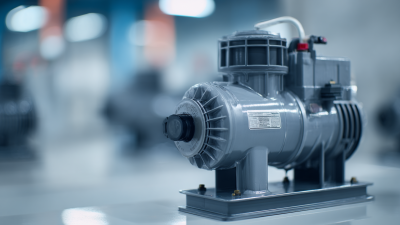
When selecting the right electric pump, understanding key features is crucial. Electric pumps vary significantly in design and function. This diversity affects performance in different applications, from irrigation to industrial use. Reports suggest that the global electric pump market is expected to grow by over 5% annually, highlighting their essential role in various sectors.

One important feature to consider is the pump's flow rate. This rate determines how quickly the pump can move water or other fluids. For instance, a typical household pump might offer a flow rate of 20-50 gallons per minute. In contrast, industrial pumps can achieve rates over 500 gallons per minute. It’s vital to match the pump's flow rate with your requirements to avoid inefficiencies.

Additionally, efficiency ratings matter. Pumps often have a specific energy consumption metric that indicates their efficiency levels. Always check the pump's performance curves, as they provide insight into operational efficiency. Many users overlook this detail.

Tips:

  • Assess your specific needs before choosing a pump.
  • Consider future usage; it’s wise to select a slightly more powerful pump than currently needed.
  • Not all pumps suit every task; misapplication can lead to costly damages over time.

Choosing an electric pump requires careful evaluation. The right decision can enhance your operations and save you money.

Assessing Your Specific Needs for Suitable Electric Pump Applications

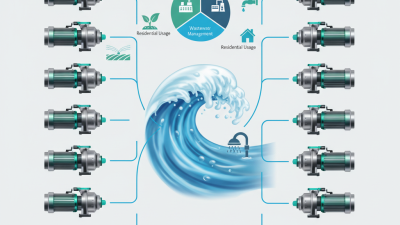
When selecting the right electric pump, understanding your specific needs is crucial. Different applications require different pump types. For instance, a pump used for irrigation will vary significantly from one designed for wastewater management. According to a recent industry report by Research and Markets, the global electric pump market was valued at approximately $12 billion in 2022, with an expected growth rate of 5.9% annually. This data highlights the increasing versatility and necessity of electric pumps across sectors.

Assessing your application involves various factors. Consider the fluid type, required flow rate, and pressure. For example, clean water systems often need submersible pumps, while chemical transport requires more robust materials. One flawed assumption is that more power equates to better performance. This isn't always true. Matching the pump to the right specifications can optimize efficiency. Oversizing a pump can lead to energy waste. The U.S. Department of Energy estimates that oversized pumps can decrease efficiency by up to 40%.

Furthermore, environmental factors should not be overlooked. Temperature variations and humidity levels impact pump performance. In some cases, users forget about the maintenance needs of their chosen electric pump, leading to reduced lifespan and efficiency. Regular inspections and adjustments can mitigate these risks. Ultimately, taking a moment to analyze your specific requirements will lead to better pump selection and more reliable application results.

Considering Energy Efficiency and Operating Costs of Electric Pumps

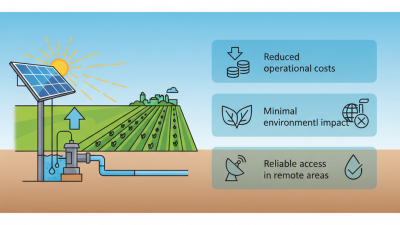
When selecting electric pumps, energy efficiency is critical. Often, users overlook energy consumption when evaluating options. This oversight can translate to higher utility bills over time. Efficient pumps, on the other hand, minimize power usage without sacrificing performance. They can save money in the long run and reduce environmental impact.

Operating costs also play a significant role in decision-making. Regular maintenance affects a pump’s efficiency, so factor in these costs. A pump requiring frequent repairs can quickly become expensive. Moreover, consider the initial purchase price in relation to expected lifespan. Short-term savings might lead to long-term regrets if the pump fails prematurely.

Measurement of efficiency is not straightforward. Some pumps may have high ratings but perform poorly in real-world scenarios. It's essential to analyze performance in your specific application. Testing and reviews can shed light on actual energy performance, helping you make an informed choice. Understanding your unique needs will guide you toward a more reliable pump selection.

Identifying Trusted Brands and Manufacturers of Electric Pumps

When selecting electric pumps, understanding trusted brands is crucial. Reliability often stems from a company's reputation and years in the industry. Look for manufacturers that prioritize quality. They should have a strong track record of performance and safety in their products. Seek out user reviews and expert recommendations to gauge reliability.

It’s important to know that not all recognized brands guarantee satisfaction. Some might cut corners in production. Always check for certifications or testing standards that align with your needs. A reputable company will provide transparency regarding their products. Additionally, consider after-sales support. Availability of customer service can greatly affect your overall experience.

Remember that your specific needs will influence your choice. Identify what functions your electric pump must perform. Assess your environment and fluid types. Doing thorough research can feel overwhelming at times. It’s worth the effort for long-term satisfaction. Adaptability in a pump’s design can be essential. Therefore, don’t just focus on name recognition; prioritize true value and reliability.

Whether your solution requires a single pumping application or an expansive engineered system,
CheckPoint is committed to becoming your partner in excellence.