What is Electric Resistance Heating Pipe and How Does It Work?
Electric Resistance Heating Pipe is a crucial technology in modern heating solutions. According to a report by the U.S. Department of Energy, electric resistance heating systems account for approximately 7% of residential heating in the country. This method of heating is popular due to its simplicity and effectiveness. The electric resistance heating pipe operates through the principle of converting electrical energy into heat.
Many industries utilize this technology for various applications. For instance, construction and manufacturing rely heavily on electric resistance heating systems for their efficiency. However, it’s essential to consider the environmental impact of using electricity for heating. Reports indicate that the source of electricity significantly affects overall carbon emissions. Therefore, there is a growing need for renewable energy sources in powering these systems.
While electric resistance heating pipes are reliable, they come with challenges. The operational costs can be high if electricity prices rise. Future advancements may focus on improving efficiency and reducing energy consumption. The fine balance between cost and performance remains a topic of discussion among engineers and energy analysts. Understanding these factors can lead to better decision-making in selecting heating solutions.
What is Electric Resistance Heating Pipe?
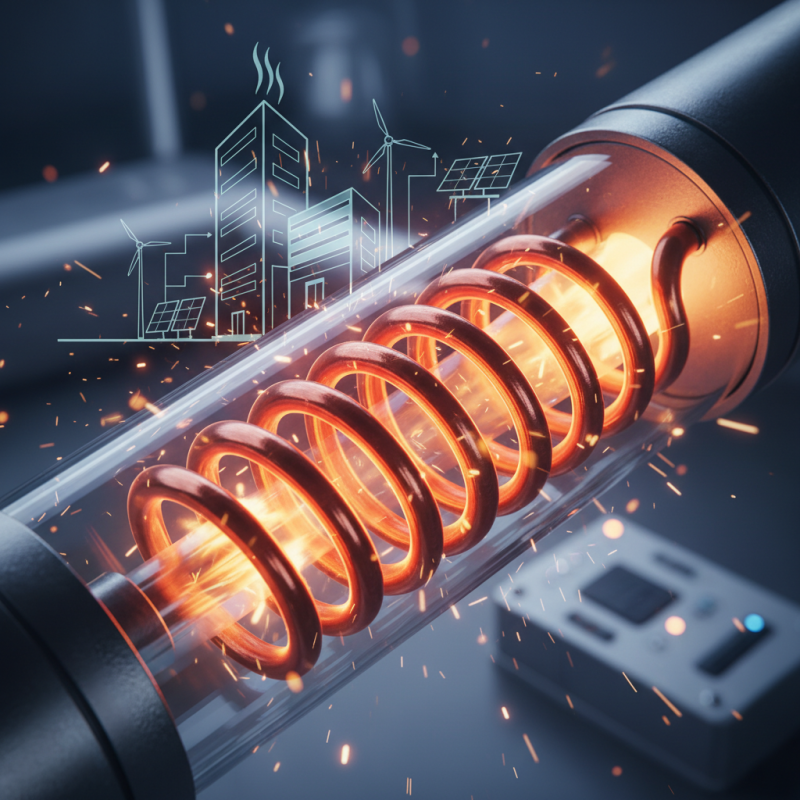
Electric resistance heating pipes are essential components in various heating systems. They deliver efficient heating by converting electrical energy into thermal energy. When an electric current flows through the pipe, it encounters resistance. This resistance generates heat, warming the pipe and the surrounding area.
These pipes are often made from materials that conduct electricity well, but also resist it at certain points. Commonly used in residential and industrial settings, their applications range from floor heating to process heating in factories. Selecting the right pipe type is crucial. The width, resistance level, and materials influence performance and efficiency.
While electric resistance heating pipes are effective, they also have limitations. Their energy consumption can be high, especially in larger systems. Additionally, they may not be suitable for all environments due to potential overheating risks. Understanding their drawbacks is vital for users. Careful planning and monitoring can improve efficiency and safety.
Principle of Electric Resistance Heating Technology
Electric resistance heating technology operates on a simple yet effective principle. When an electric current passes through a resistive material, it generates heat. This process occurs due to the material's resistance to the electrical flow, which transforms electrical energy into thermal energy. As a result, the heating pipe becomes warm, effectively dispersing heat into the surrounding area.
The efficiency of electric resistance heating pipes depends significantly on the materials used. Commonly, copper and nickel alloys serve as effective conductors. The design of the pipe also plays a vital role in heat distribution. Well-designed pipes ensure uniform warmth. However, imperfections in material quality or construction can lead to uneven heating. This can cause localized hot spots, potentially affecting the overall effectiveness of the system.
Moreover, the application of electric resistance heating is diverse. It is utilized in floor heating, industrial processes, and more. However, users must consider issues like energy consumption and installation costs. These aspects can influence the decision-making process. While the technology is reliable, a thorough evaluation of specific needs is essential. Such reflections can help optimize the use of electric resistance heating systems.
What is Electric Resistance Heating Pipe and How Does It Work? - Principle of Electric Resistance Heating Technology
| Feature | Description | Application |
| Heating Method | Uses electric current to generate heat through resistance | Industrial heating processes, space heating |
| Temperature Range | Can reach temperatures up to 1000°C | Metallurgical and chemical industries |
| Efficiency | High energy efficiency with minimal heat loss | Heating applications that require precision |
| Material | Typically made from metals like copper or nickel alloy | Durable components in heating systems |
| Control Systems | Equipped with thermostats and sensors for precise temperature control | Automated heating processes |
Components of Electric Resistance Heating Pipes
Electric resistance heating pipes are crucial for many heating systems. These pipes work by converting electrical energy into heat. This process is efficient and can provide consistent warmth in various environments.
The main components of electric resistance heating pipes include the heating element, insulation, and outer casing. The heating element is usually made of nickel-chromium alloy. It generates heat when an electric current passes through it. The insulation surrounds the heating element and prevents heat loss. This helps improve energy efficiency. The outer casing, often made of durable materials, protects the heating element and insulation from physical damage.
Maintenance is important for these systems. Regular checks can identify issues early. Over time, sediment buildup can affect efficiency. Ensuring proper installation is also vital. Improper installation can lead to uneven heating or electrical hazards. Awareness of these details contributes to a better understanding of electric resistance heating pipes.
Applications of Electric Resistance Heating Systems
Electric resistance heating systems have a wide range of applications in various industries and home settings. They are often used for space heating, making them a popular choice in residential buildings. The simplicity of these systems allows for fast installation, making them ideal for quick heat solutions in colder climates. In addition to heating spaces, these systems can provide direct hot water for residential needs. They use electric resistance to convert energy into heat efficiently, which is particularly effective for applications requiring precise temperature control.
Manufacturing sectors utilize electric resistance heating pipes for processes like metal treatment and plastics forming. These systems offer consistent heating, which is crucial for quality control in production. They’re also found in laboratories, where precise heating is needed for experiments. However, their reliance on electricity raises concerns about energy costs. Users should consider energy sources and efficiency when implementing these systems.
Tip: Always consider insulating your heating pipes to minimize heat loss. This not only enhances efficiency but also reduces operational costs.
In certain situations, electric resistance heating might not be the best choice. For larger spaces, alternatives may provide better efficiency. It's important to assess heating requirements carefully. Understanding your space and needs can lead to better decisions.
Advantages and Disadvantages of Electric Resistance Heating
Electric resistance heating pipes are commonly used in various heating applications, offering unique advantages and disadvantages. One primary advantage is efficient heat generation. The pipes convert electrical energy into heat with high efficiency. This makes them ideal for situations that require immediate warmth. Additionally, their installation is typically easy, promoting flexibility in design.
However, electric resistance heating comes with drawbacks. Operating costs can be high, especially in regions with costly electric rates. Relying solely on electric resistance heating might lead to higher energy bills. Maintenance is often required, as older systems can wear down and become less effective over time.
**Tip:** Consider installing a programmable thermostat to optimize your heating schedule. This can help reduce energy costs significantly.
Another important factor is safety. While electric heating is generally safe, improper installation can pose risks. It’s essential to have installations performed by qualified professionals. Regular inspections can also aid in maintaining safe operations.
**Tip:** Look for energy-efficient models when upgrading your heating systems. They may have higher upfront costs but save you money in the long run.
Electric Resistance Heating: Advantages vs Disadvantages