



Essential Tips for Choosing the Right Hydraulic Oil?

Choosing the right hydraulic oil is critical for optimal machinery performance. According to a report by the International Organization for Standardization, improper selection of hydraulic fluids can lead to a 30% increase in machinery breakdowns. This emphasizes the importance of making informed choices.

Expert John Smith, a hydraulic systems engineer, notes, "The right hydraulic oil can extend equipment life and enhance efficiency." His insights reflect the consensus within the industry that quality hydraulic oil directly impacts maintenance costs and operational reliability.

With various types available, understanding viscosity ratings and fluid properties is essential. A well-informed selection minimizes the risk of equipment failure. However, many operators overlook these details. The consequences of such oversights can be significant. Knowledge is power when it comes to hydraulic oil.

Essential Tips for Choosing the Right Hydraulic Oil?

Understanding the Function of Hydraulic Oil in Systems

Hydraulic oil plays a crucial role in hydraulic systems. It not only transmits power but also lubricates moving parts. This oil helps maintain efficiency by reducing friction. Without the right oil, systems can face significant issues. Poor lubrication leads to increased wear and tear, which can shorten equipment lifespan.


Different hydraulic oils serve specific functions. For instance, some are designed for high-pressure applications, while others excel in temperature resistance. Choosing the right oil requires careful consideration of the system's demands. Operators must understand the viscosities and additives that enhance performance. A mismatch could result in equipment failure.


It's important to note that not all hydraulic oils are equal. Factors like contamination and degradation can impact their effectiveness. Regular monitoring and maintenance are essential for optimal performance. Ignoring these details can lead to costly repairs. Therefore, understanding hydraulic oil is vital for anyone involved in equipment maintenance and operation.

Types of Hydraulic Oils and Their Applications

When selecting hydraulic oil, understanding the different types is crucial. The main categories include mineral oils, water-based fluids, and biodegradable oils. Mineral oils are the most common. They provide excellent lubrication but may have environmental impacts. Water-based fluids, like water-glycol solutions, are suitable for fire-prone applications. However, they can have limited lubrication qualities. Biodegradable oils are gaining popularity for eco-friendliness, especially in agriculture and forestry.

When choosing hydraulic oil, consider the application, temperature range, and potential environmental effects. Opting for the wrong type can lead to equipment failure or safety risks. Many people overlook the importance of viscosity ratings. Higher viscosity can enhance performance but may risk overheating. Always match the oil's viscosity with the specific machinery requirements. Test your approach periodically to ensure optimal performance.

It’s not just about selecting the right oil; maintenance is essential. Regularly check for contaminants and the oil’s condition. Neglecting these checks can lead to costly repairs. Always remember that even minor adjustments can make a significant difference. Stay informed about evolving products and practices in hydraulic fluid technology. Your choices can reflect both innovation and responsibility.

Key Properties to Consider When Selecting Hydraulic Oil

Choosing the right hydraulic oil is crucial for equipment performance. Several key properties must be considered for optimal function. Viscosity is paramount. It affects how well the oil can flow through machinery. According to a study by the Hydraulic Institute, improper viscosity can lead to a 10-15% decrease in energy efficiency.

Another critical factor is the oil's ability to withstand high temperatures. Hydraulic oils can degrade if their thermal stability is not adequate. The American Society for Testing and Materials suggests a thermal stability rating above 200°C. This rating ensures that the oil maintains its properties longer while avoiding breakdown.

Additive composition is also vital. Proper additives enhance the oil's performance, providing protection against oxidation, foaming, and wear. For instance, anti-wear agents can reduce metal-to-metal contact, thereby increasing machinery lifespan. Yet, many users may overlook these details. A common mistake is selecting oil solely based on cost. Prioritizing price can lead to higher long-term expenses due to increased maintenance needs and equipment failure.

Essential Tips for Choosing the Right Hydraulic Oil

This chart illustrates the key properties to consider when selecting hydraulic oil, with importance levels rated from 1 to 10 based on their significance in hydraulic applications.

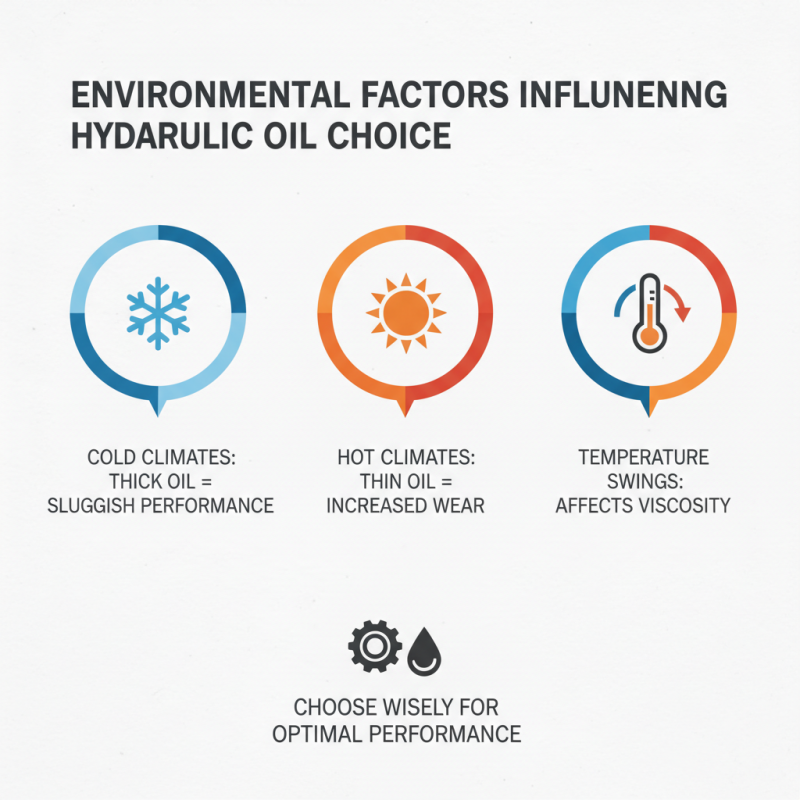
Environmental Factors Influencing Hydraulic Oil Choice

Essential Tips for Choosing the Right Hydraulic Oil?

Choosing the right hydraulic oil involves understanding various environmental factors. Temperature swings can significantly affect the oil's viscosity. In cold climates, thick oil can lead to sluggish performance. Conversely, in hot environments, oil may thin out, causing wear.

Water contamination is another crucial element to consider. Excessive moisture in the oil can lead to rust and degradation. Therefore, regular monitoring and filtration are essential. This task often requires specialized knowledge and tools to ensure optimal performance.

Moreover, the presence of contaminants can challenge hydraulic systems. Dust, dirt, and particulate matter can compromise oil quality. Implementing a maintenance schedule helps mitigate these risks. It’s important to continuously reassess and adapt to these environmental changes. Testing oil properties regularly can add a layer of confidence in your choice. Environmental impacts should never be underestimated in this decision-making process.

Maintenance Tips for Ensuring Hydraulic Oil Efficiency

Hydraulic oil efficiency is crucial for optimal machinery performance. Regular maintenance can significantly extend the life of hydraulic systems. A report by the International Hydraulics Institute suggests that proper oil management can reduce wear by up to 50%. Ensuring the oil is clean prevents contaminants from causing damage.

Monitoring temperature is essential. Hydraulic oil operates best within specific temperature ranges. High temperatures can degrade oil quality, leading to inefficient operation. The American Society of Mechanical Engineers notes that every 10°C increase in temperature can halve oil life. Periodic testing for viscosity can help detect changes early.

Visual inspections are also key. Look for discoloration or particulates in hydraulic oil. These signs may indicate the need for replacement. Some experts recommend changing hydraulic oil every 1,000 hours of operation or annually, whichever comes first. This maintenance step is often overlooked, yet it can prevent costly system failures.

Whether your solution requires a single pumping application or an expansive engineered system,
CheckPoint is committed to becoming your partner in excellence.