How to Source Unique Windows Worldwide?
Unique Windows can change the character of a building before a single piece of furniture arrives. A slim steel frame, a deep timber sash, or a colored-glass panel may bring light and history into a room. Finding the right example worldwide takes more than browsing photographs. Buyers need to understand dimensions, materials, condition, and how a window will perform in its intended setting.
This guide explores ways to source distinctive windows from specialist makers, architectural salvage yards, and regional suppliers. It considers practical details, such as measuring an opening, checking frame profiles, reviewing finish samples, and confirming what hardware is included. Clear photographs and written specifications help, but they cannot replace careful questions about repairs, glazing, and installation requirements. Ask suppliers how they document condition and protect products for transport. For custom work, request drawings and approval samples before production begins.
A beautiful window can still be the wrong choice. A salvaged frame may need extensive restoration, while a new replica may not match the texture or proportions shown online. Shipping distance, lead times, and local building requirements also affect what is practical. These details deserve attention early, not after a deposit is paid. There is no perfect sourcing route for every project. Even careful planning leaves room for surprises, and I would treat that uncertainty as part of the process rather than ignore it.
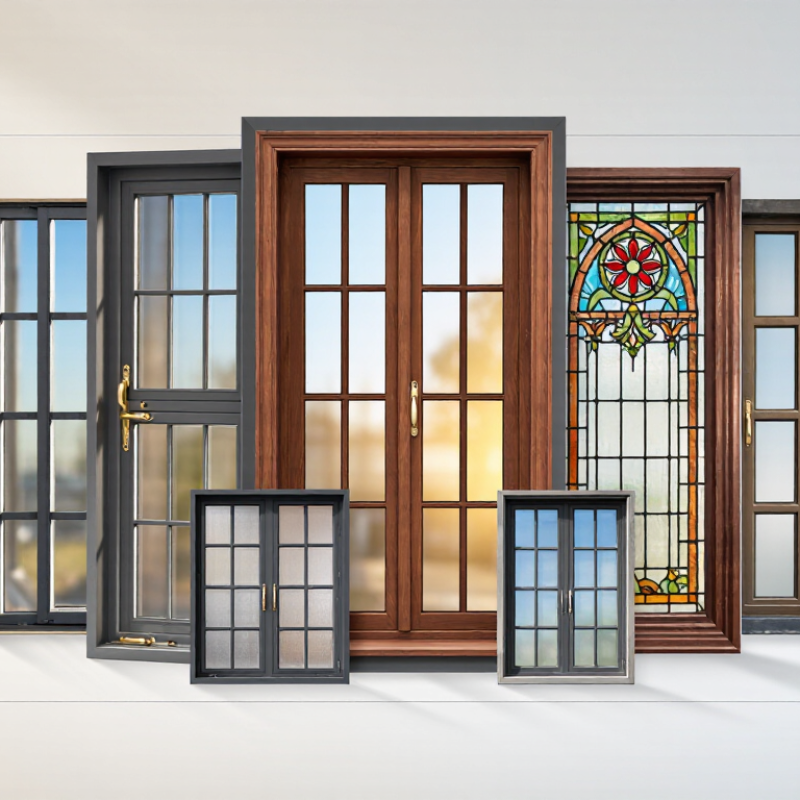
Define the Requirements for Unique Windows
Before sourcing a unique window, define what “unique” means in measurable terms. Record the opening type, frame material, overall dimensions, glazing build-up, finish, and required performance. A sketch with the rough opening, wall depth, and sill height can prevent expensive assumptions. For unusual shapes, specify a full-size template and acceptable dimensional tolerances. Small details matter.
Performance needs a climate context. The U.S. Department of Energy’s Energy Saver guidance notes that windows can account for 25–30% of residential heating and cooling energy use. Ask suppliers for documented U-factor and solar heat gain coefficient values, then compare them with your project’s climate and orientation. Also define air leakage expectations, safety-glazing locations, acoustic needs, and how the unit will connect to the wall’s water-control layers.
The International Energy Agency’s 2023 buildings report identifies buildings as a major source of global energy demand, reinforcing why envelope choices deserve careful review. Data varies by building and region, so avoid treating one figure as a project-specific prediction.
Tips: Send the same specification sheet to every supplier. Include photos, drawings, quantity, delivery location, and target date. Request samples for color and finish; screens can mislead. Confirm packaging and replacement-part availability in writing. I have seen elegant concepts stall over a missing dimension. It is an easy mistake, and worth checking twice.
Explore Regional Window Styles and Materials
Regional windows reflect climate, craft, and local materials. In northern Europe, timber frames often pair with deep sills and inward-opening casements, helping manage cold weather and rain. In parts of the Mediterranean, shutters and smaller openings can limit harsh sunlight. East Asian traditions include lattice screens that filter light while preserving airflow. These forms are not just decorative; their performance depends on orientation, glazing, and maintenance.
Materials vary just as much. Cedar and other durable woods bring warmth, but need suitable finishes and regular inspection. Steel can create slim sightlines, though thermal performance depends on the frame design. In coastal areas, salt air may speed corrosion, so ask about protective coatings and hardware. Reclaimed windows can offer character. Their dimensions may be irregular, and older glass or frames may not meet a project’s needs. The beautiful one may not fit.
Tips: Ask suppliers for the window’s origin, material details, and care requirements. Request close-up photos of joints, finishes, and operating hardware. Confirm measurements before shipping, and check that the style suits your building’s climate. Regional labels can be vague; documentation matters more than a romantic story.
Identify International Makers and Specialist Suppliers
Finding distinctive windows starts with the maker, not a catalogue photograph. Search regional trade directories, architecture-fair exhibitor lists, and specialist fabricators working with timber, steel, or shaped glass. Ask where each component is made. A supplier may assemble frames locally while importing hardware or glazing. That detail affects lead times, repair options, and consistency across samples. Request a recent project reference, a production-site visit, and a small physical sample. Look closely at corner joints, coating edges, drainage channels, and the feel of the handle. Small details often reveal more than a polished brochure.
Technical evidence matters as much as appearance. The International Energy Agency’s 2023 buildings report says buildings account for about 30% of global final energy consumption and 26% of energy-related emissions. That makes tested thermal and solar-performance data useful when comparing suppliers. Ask for results under a recognized test method, plus glass build-up, frame material, air-leakage ratings, and warranty terms. Check that the stated performance applies to the complete window, not just the glass. Confirm packaging dimensions and replacement-part availability before placing an order. I have seen attractive specifications become difficult to use when installation details were missing. It is an easy oversight. Keep a written comparison sheet, and record what remains uncertain.
Verify Quality, Provenance, and Building-Code Compliance
Sourcing a distinctive window begins with evidence, not appearance. Ask the supplier for the manufacturer’s location, material specifications, and a clear record of the window’s origin. Request dated photographs of the actual unit, including its frame corners, glazing labels, and hardware. Small details matter. A beautifully restored sash may still have hidden rot or replacement glass that changes its performance. For reclaimed windows, ask what repairs were made and which parts remain original. Keep invoices, inspection notes, and written answers together.
Quality checks should match the window’s intended use. Look for smooth operation, even joints, intact seals, and glass without cracks or fogging between panes. Have a qualified local professional assess older or unusual units before purchase. Building requirements vary by location and may cover energy performance, safety glazing, wind loads, fire separation, or historic properties. Confirm the applicable requirements with the local building authority before ordering; a supplier’s general compliance statement may not cover your project. I once treated a specification sheet as complete, then noticed it omitted the glazing type. That was my mistake. Ask for product-specific test reports or certifications, and verify that their scope matches the size and configuration you plan to install.
Compare Customization, Costs, and Global Shipping Options
Sourcing distinctive windows worldwide means comparing more than frame prices. Ask each supplier for a line-item quote covering glazing, hardware, packing, and delivery to your exact address. Custom arches, unusual colors, and slim sightlines can raise costs and extend production time. Request a dimensioned drawing before approving a deposit; a small mismatch can turn an elegant bay window into an expensive site problem. I still find quotes hard to compare when one supplier excludes crating and another bundles it.
Performance & energy use
Performance deserves equal attention. The U.S. Department of Energy’s Energy Saver guidance estimates that windows account for about 25–30% of residential heating and cooling energy use. Specify U-factor and solar heat gain coefficient for your climate, not just the appearance of the glass.
For shipping, UNCTAD’s Review of Maritime Transport reports that maritime transport carries over 80% of world merchandise trade by volume. That scale does not guarantee a smooth delivery: confirm crate dimensions, insurance, port handling, and who arranges final-mile transport. Ask for a realistic production and transit window, plus photos of protective packaging. Check whether replacement parts can be shipped separately.
Sometimes the cheapest quote is not.