



What is an Infrared Optical Sorter and How Does it Work?
The rise of "Infrared Optical Sorter" technology is transforming industries like recycling and food processing. According to a recent report by Research and Markets, the infrared sorting market is projected to reach $2 billion by 2027. This growth reflects the increasing need for efficiency and precision in sorting materials.
Industry expert Dr. Emily Carter notes, "Infrared Optical Sorters enable unprecedented accuracy in separating materials based on their unique spectral signatures." These machines utilize infrared light to detect and classify different materials. Their ability to distinguish subtle differences helps companies reduce waste and optimize resource recovery.
Despite their effectiveness, some challenges remain. Many businesses struggle with high initial costs and integration into existing systems. Additionally, maintaining these sophisticated machines requires specialized knowledge, which can create barriers for smaller operators. Balancing these challenges with the benefits is crucial for maximizing the potential of infrared sorting technologies.
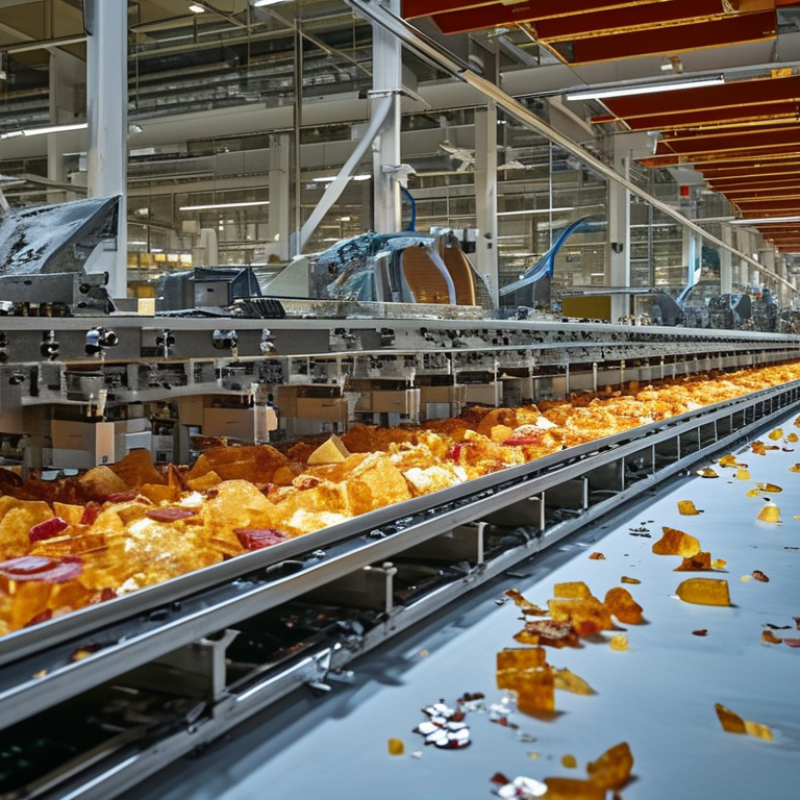
Definition and Functionality of Infrared Optical Sorters
Infrared optical sorters are advanced machines used to separate materials based on their infrared signature. These sorters recognize specific wavelengths of light that are reflected or absorbed by different materials. This unique feature allows them to distinguish items with precision. For instance, in recycling facilities, infrared optical sorters can effectively separate plastics from metals, ensuring efficient processing.
When discussing their functionality, it's important to note how these machines utilize infrared cameras. The cameras scan materials on a conveyor belt, detecting their infrared characteristics. This data informs the sorting mechanism, which directs air jets to separate materials accordingly. Such technology enhances operational efficiency, but it requires regular maintenance to function optimally.
Tip: Regularly check the calibration of your infrared optical sorter. Proper calibration ensures accurate sorting and reduces material contamination. Consider training staff on identifying common operational issues. An informed team can spot problems early, maintaining system performance. Remember, each sorting system has its quirks, so adaptations may be necessary for optimal results.

Principles of Infrared Detection in Sorting Technology
Infrared detection plays a crucial role in sorting technology. By utilizing the unique wavelengths of light, infrared optical sorters can effectively identify and separate materials based on their molecular composition. This principle hinges on the fact that different materials absorb infrared light at varying degrees. For instance, data from industry reports indicate that infrared sensors can achieve an accuracy rate of over 95% in identifying plastic types.
The effectiveness of this technology lies in its ability to minimize human error and enhance operational efficiency. In the recycling industry, infrared sorting has proven instrumental in achieving high purity levels for sorted materials. For example, sorting systems powered by infrared technology can process up to 10 tons of material per hour. This not only reduces labor costs but also maximizes the quality of recycled outputs.
However, there are challenges that demand attention. Not all materials respond uniformly to infrared detection. Smaller particles or contaminants may evade proper identification, leading to flaws in the sorting process. Continuous improvements in sensor calibration and data analysis algorithms are necessary. Industry experts suggest that ongoing research and development in this area could enhance the reliability of infrared optical sorters, ensuring they meet future demands effectively.
Components and Mechanisms of Infrared Optical Sorters
Infrared optical sorters are advanced machines used in various industries. These devices utilize infrared light to identify and separate materials based on their unique spectral signatures. At the heart of infrared optical sorters are several key components, including infrared light sources, sensors, and computer algorithms. The light sources emit infrared waves that interact with materials on the conveyor. Each material reflects and absorbs these waves differently, allowing for precise identification.
The sorting process begins when items pass under the infrared scanner. Sensors detect the specific light wavelengths reflected by the materials. The computer then analyzes this data, comparing it to a database of known materials. This is where errors can occur; discrepancies between expected and actual readings may arise. This could lead to mis-sorting. Continuous adjustments and updates to the database are essential to maintain accuracy.
Another crucial element is the sorting mechanism itself, which typically consists of high-speed air jets or mechanical arms. These components must be finely tuned to respond quickly to sensor data. If not calibrated correctly, they may fail to separate materials efficiently. This highlights the balance between technology and human oversight. Regular maintenance and training are necessary to ensure optimal performance of infrared optical sorters.
Infrared Optical Sorter Performance by Material Type
Applications of Infrared Optical Sorters in Various Industries
Infrared optical sorters are transforming various industries through advanced sorting technologies. They utilize infrared light to identify materials based on their composition. This process enables high-precision sorting, which is crucial in recycling, agriculture, and food processing. In recycling, for instance, these machines can distinguish between different types of plastics. The rapid sorting increases efficiency and reduces contamination rates.
In agriculture, infrared sorters identify ripe and unripe fruits based on their specific wavelengths. This allows farmers to harvest more effectively. In the food industry, these sorters ensure that only top-quality products reach consumers. They can detect defects and foreign materials, enhancing food safety. However, implementing such technology can be costly for some businesses.
Despite the advantages, challenges exist with infra-red sorting technology. Variation in material properties can affect sorting accuracy. Not all materials respond uniformly to infrared light. Operators need training to manage these systems effectively. It's vital for industries to weigh the benefits against their operational needs. Continuous advancements promise improved reliability and efficiency, but understanding limitations is equally essential.
Advantages and Limitations of Infrared Optical Sorting Systems
Infrared optical sorting systems utilize advanced technology to efficiently separate materials based on their spectral properties. One significant advantage is their ability to target specific materials with high precision. This precision can lead to reduced contamination in the final product. For example, when sorting plastics, infrared sorters can accurately identify and eject unwanted materials that are of different chemical compositions. The quick response time of these systems enhances productivity in recycling and food processing industries.
However, infrared optical sorting systems also come with limitations. They can struggle with certain materials that have overlapping spectral signatures. This overlap may result in misclassification or missed items, which could reduce overall efficiency. Additionally, these systems often require regular maintenance and calibration. Such requirements can incur additional costs and downtime. Moreover, the initial investment in infrared sorting technology can be significant, deterring some smaller operations from adopting this innovation. Understanding both the advantages and limitations is crucial for businesses considering infrared sorting technologies.
What is an Infrared Optical Sorter and How Does it Work? - Advantages and Limitations of Infrared Optical Sorting Systems
| Dimension | Details |
|---|---|
| Technology | Infrared light detection and imaging |
| Sorting Type | Material separation based on molecular composition |
| Applications | Recycling, food processing, and mineral separation |
| Advantages | High accuracy, fast sorting speed, and minimal contamination |
| Limitations | High initial cost, sensitivity to environmental conditions |
| Operational Requirements | Requires trained personnel and regular maintenance |
| Future Trends | Advancements in AI and machine learning for improved accuracy |
Article Source:

Whether your solution requires a single pumping application or an expansive engineered system,
CheckPoint is committed to becoming your partner in excellence.


