



Top Arc Shape Multi Wire Saw Benefits for Global Buyers?

In the competitive global market, the Arc Shape Multi Wire Saw stands out. This innovative cutting tool enhances efficiency and precision in various applications. Buyers are increasingly drawn to its unique benefits, making it a noteworthy choice.

The Arc Shape Multi Wire Saw provides exceptional versatility. It excels in cutting different materials, including silicon and quartz. This adaptability meets diverse industrial demands. However, not all buyers understand its full potential. It is crucial to explore its offerings and limitations.

Many users report increased productivity with the Arc Shape Multi Wire Saw. Yet, some face challenges in maintaining optimal performance. Awareness of these issues can lead to better decision-making. Understanding both advantages and drawbacks can empower buyers in their pursuit of excellence.
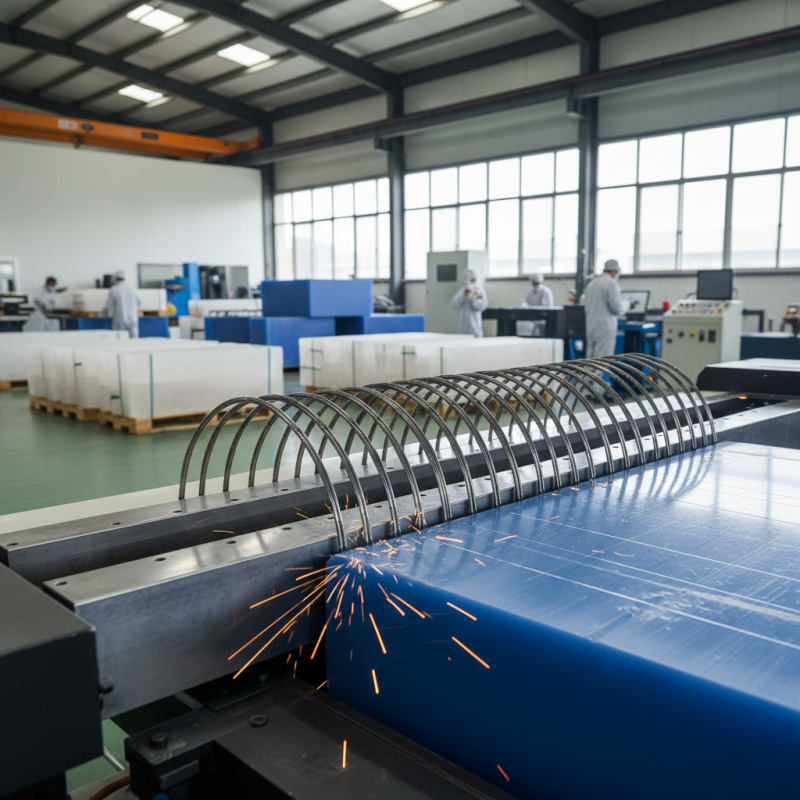
Top Arc Shape Multi Wire Saw Benefits for Global Buyers?

Top Advantages of Arc Shape Multi Wire Saws in Stone Cutting Industry

Arc shape multi wire saws are revolutionizing the stone cutting industry. Their unique design offers several advantages that cater to the needs of global buyers. For instance, these saws enable efficient cutting with minimal material loss. According to recent industry reports, arc shape saws can reduce waste by up to 30% compared to traditional methods. This is crucial as the demand for sustainable practices intensifies.

Moreover, the arc shape allows for superior control and precision during cutting. Users can achieve smoother finishes without extensive post-processing. This leads to significant time savings and enhances overall productivity. A study indicated that businesses using arc shape saws increased their output by approximately 15%, showcasing their efficiency.

Tips: When selecting a saw, consider the diameter of the wire. A smaller diameter can provide finer cuts but may wear out faster. Regular maintenance is essential. Inspect your equipment frequently to ensure optimal performance. Addressing minor issues early can prevent larger, costly repairs later.

Cost-Efficiency: Saving Material Waste with Multi Wire Saw Technology

The advent of multi-wire saw technology significantly enhances cost-efficiency in the manufacturing industry. By utilizing multiple wires for cutting, this method drastically minimizes material waste. Traditional saws often leave behind large amounts of unused material, leading to higher costs. Multi-wire saws, on the other hand, offer precision cuts that maximize material usage.

Adopting this technology can improve operational effectiveness. A reduced waste rate means more products can be created from the same initial material. It’s a compelling method that not only benefits manufacturers but is also eco-friendly. However, companies may face a learning curve when transitioning to this complex machinery. It requires training and adjustment, which can initially seem daunting.

Moreover, it is essential to consider the initial investment in equipment. While multi-wire saws can create savings long term, the upfront costs may deter some buyers. Evaluating the overall benefit versus the investment can be challenging. Manufacturers need to analyze their specific needs and longer-term goals before making the switch. Balancing costs and benefits will determine the effectiveness of implementing this technology in the production line.

Enhanced Precision: Comparing Cutting Accuracy of Arc Shape vs Traditional Saws

The introduction of arc shape multi-wire saws has transformed cutting practices in industries that demand high precision. Compared to traditional saws, arc shape saws deliver superior cutting accuracy. This is crucial for applications needing finely detailed results, such as in the production of solar panels or quartz materials.

One immediate benefit of these saws is their ability to maintain a consistent angle throughout the cut. The curved blade design minimizes the risk of material damage. As a result, it reduces waste. However, some users report a learning curve. Mastering optimal feed rates requires practice to avoid inaccuracies.

The cutting quality of arc shape saws often leads to better finishes. This can enhance the overall appearance of the final product. Yet, not all materials respond the same way to the arc shape design. Some harder substances may still pose challenges. It’s essential to match the tool to the specific material for optimal results. Understanding these nuances is key for buyers seeking to improve their cutting processes.

Market Growth: Demand Trends for Multi Wire Saws in Global Manufacturing

The global manufacturing landscape is experiencing a significant shift in demand for multi wire saws. These cutting-edge tools offer enhanced precision and efficiency, appealing to a wide range of industries. As manufacturers seek to improve production processes, multi wire saws present an effective solution that responds to the need for speed and accuracy in slicing materials.

Recent trends indicate a rising preference for these saws. Their ability to cut through various materials with minimal kerf loss is notable. This characteristic not only conserves resources but also maximizes output. As manufacturers face pressure to optimize costs, multi wire saws emerge as a practical choice. However, integrating this technology can be challenging, requiring appropriate training and adjustments in workflow.

The demand for multi wire saws is expected to grow, yet it is crucial to address issues linked with scalability and consistency. Manufacturers must reflect on the long-term benefits versus initial investment and operational changes. Balancing these perspectives will be essential as the industry evolves.

Sustainability Impact: How Multi Wire Saws Contribute to Eco-Friendly Practices

Multi wire saws are becoming vital tools in many industries, especially regarding sustainability. Their operations involve cutting materials with minimal waste, significantly enhancing resource efficiency. Unlike traditional cutting methods, they produce fewer byproducts, leading to less raw material consumption. This advantage is crucial as more companies are striving to meet eco-friendly standards.

The eco-friendly practices facilitated by multi wire saws extend beyond waste reduction. These saws often utilize advanced technology, which can be powered by renewable energy sources. This shift can dramatically decrease carbon emissions associated with cutting processes. Companies can showcase their commitment to sustainability by adopting such technologies. However, the transition requires careful planning and investment, often beyond initial budgets.

While the benefits are clear, the challenges cannot be overlooked. Not all industries are ready for such a shift. There is still a noticeable gap in knowledge and implementation in some sectors. By encouraging dialogue and sharing experiences, businesses can learn from each other. Collaboration can lead to improved practices that are both efficient and environmentally responsible. This journey toward sustainability may involve trial and error but can ultimately create a significant positive impact.

Whether your solution requires a single pumping application or an expansive engineered system,
CheckPoint is committed to becoming your partner in excellence.