

What is a Power Inverter and How Does It Work?

A Power Inverter plays a crucial role in converting direct current (DC) to alternating current (AC). This process is essential for using batteries to power household appliances. Understanding how a Power Inverter works can help you optimize your energy consumption.

In its simplest form, a Power Inverter takes the steady current from solar panels or batteries. It then transforms that energy into a sinusoidal output. This allows you to run devices such as refrigerators or laptops. Knowing the specifications of your inverter is essential for efficiency. Many users overlook this detail, leading to potential energy waste.

However, not all inverters are created equal. Some may struggle under high loads or provide subpar performance. Reflecting on these shortcomings can guide you toward making informed choices. Investing time in understanding your Power Inverter's capabilities can enhance its usage and longevity.
What is a Power Inverter and How Does It Work?

What is a Power Inverter?

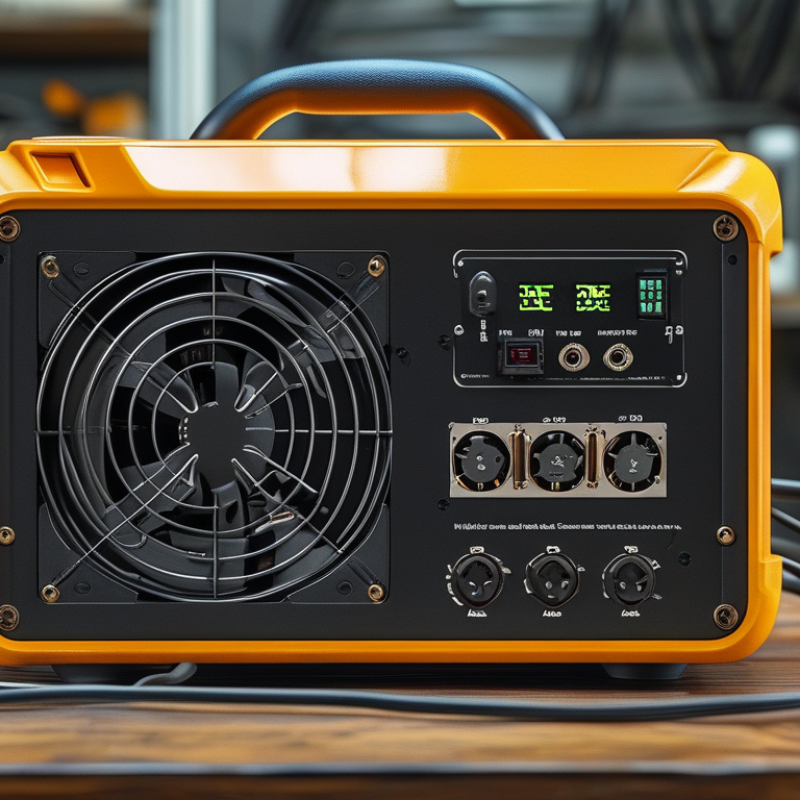
A power inverter is a device that converts DC (direct current) power into AC (alternating current) power. This conversion is crucial for running household appliances that require AC input. Understanding how it works is key for those looking to make an informed choice about energy solutions.

Typically, the efficiency of power inverters ranges between 80% to 95%. This means that a portion of the energy is lost during the conversion. Such losses can be significant, especially in larger systems. Data from industry reports emphasize that poor inverter efficiency can affect overall energy savings dramatically. Users must consider this when choosing an inverter for solar applications or backup systems.

Power inverters come in various types, including modified sine wave and pure sine wave inverters. Pure sine wave inverters tend to be more efficient and are better for sensitive equipment. However, they are also generally more expensive. This raises the question of whether the investment is justified. Not all household items require pure sine wave power. Users must evaluate their specific needs to avoid overspending. The choice of an inverter reflects not just the technology but also personal energy consumption habits.
Types of Power Inverters and Their Applications

Power inverters come in various types, each suited for different applications. The most common types include modified sine wave, pure sine wave, and grid-tie inverters. Modified sine wave inverters are simpler and less expensive. They work well for basic electronics but can create issues with sensitive devices. Some users find this frustrating. Pure sine wave inverters produce a smooth, clean power output. They are ideal for sensitive electronics and appliances. However, they tend to be pricier, which can limit accessibility for some customers.

Grid-tie inverters connect renewable energy systems to the electrical grid. They allow homeowners to sell excess power back to the grid. This technology encourages the use of solar panels and wind turbines. Many people are interested in these systems. However, not everyone understands the installation process or regulations. There is also a misconception that they are overly complicated. In fact, with the right resources and guidance, many can navigate this landscape successfully. Understanding the different types of power inverters can lead to better decision-making. Choosing the right inverter for your needs enhances efficiency and reduces energy costs.

How Power Inverters Work: The Conversion Process

Power inverters are critical devices for converting direct current (DC) into alternating current (AC). This conversion allows users to power their home appliances from batteries or renewable energy sources. The process starts with the inverter capturing DC from a source, such as a solar panel or battery.

The inverter uses electronic components to switch the DC on and off rapidly. This creates a square wave, which is then filtered to produce a smooth AC waveform. According to industry reports, over 80% of household energy consumption comes from AC devices, highlighting the importance of inverters in energy efficiency.

Tips: Make sure to choose the right inverter size for your needs. An undersized inverter can lead to overheating and inefficiency. Additionally, regularly check connections and components for wear and tear. Proper maintenance ensures longevity.

While power inverters can be efficient, imperfections exist. Inverters may create harmonics that affect sensitive equipment. It’s essential to monitor the inverter's performance regularly. This proactive approach can prevent unexpected failures and ensure stable power delivery.

What is a Power Inverter and How Does It Work?

Feature Description
Definition A power inverter is an electrical device that converts direct current (DC) to alternating current (AC).
Input Voltage Inverters typically accept 12V, 24V, or 48V DC input, which is common in batteries.
Output Voltage Produces a standard AC output voltage for household appliances, often 120V or 230V, depending on the region.
Efficiency Most inverters operate at 80% to 95% efficiency, meaning they convert most of the DC input to usable AC output.
Types Common types include pure sine wave, modified sine wave, and square wave inverters, each suitable for different applications.
Applications Used in solar power systems, uninterruptible power supplies (UPS), and to power electronics in vehicles.
Safety Features Many inverters include overload protection, short circuit protection, and thermal shutdown features.

Key Components of a Power Inverter

A power inverter is essential for converting direct current (DC) into alternating current (AC). This transformation allows users to power household appliances from a battery source. Key components of a power inverter play a vital role in this conversion process. Understanding these elements can significantly enhance the efficiency and reliability of the inverter.

One major component is the inverter circuit. It typically employs transistors to switch the DC on and off rapidly. This rapid switching creates a pulse-width modulation signal that approximates an AC waveform. According to a report by the International Renewable Energy Agency (IRENA), modern inverters achieve an efficiency of over 95%. This efficiency means less energy loss, translating to cost savings over time.

Another crucial part is the transformer, which steps up the voltage to usable levels. This component is often overlooked but is critical for ensuring that the output voltage is stable. Fluctuations in voltage can lead to appliance damage or reduced performance. A recent study from the U.S. Department of Energy noted that poor transformer design can drop inverter efficiency by at least 5%. Recognizing these factors is essential for selecting the right power inverter for your needs.

Benefits and Limitations of Using Power Inverters

Power inverters play a crucial role in converting direct current (DC) to alternating current (AC). This is essential for running household appliances that require AC power. However, while they offer many benefits, they also come with certain limitations.

One major benefit of using power inverters is versatility. They allow you to power devices while off-grid, making them ideal for camping or remote work. Additionally, they can provide a backup power source during outages. They can run various appliances, often with high efficiency. But it's not all smooth sailing. Inverters can produce noise during operation and generate heat. Users also need to consider their limitations in handling certain high-wattage devices.

Another important aspect is battery life. Inverters draw from your battery, which can lead to faster depletion. Users must monitor their energy consumption to avoid running out of power unexpectedly. Some may find the installation process intimidating or complex. It's essential to understand your system fully to maximize efficiency. Ultimately, balancing these pros and cons can lead to a more effective use of power inverters.

Power Inverter Efficiency vs. Load Percentage

This bar chart illustrates the efficiency of power inverters at different load percentages. As the load percentage increases, the efficiency tends to decrease, which is a common trend observed in power inverter performance.

Whether your solution requires a single pumping application or an expansive engineered system,
CheckPoint is committed to becoming your partner in excellence.