


10 Tips for Buying a Deep Boring Machine?

Buying a Deep Boring Machine is not a simple capacity decision. It is a process-control decision involving accuracy, tooling, coolant, service, and production risk. A machine may promise a 0.01 mm tolerance, yet unstable foundations or poor chip evacuation can quickly undermine that claim. The details matter.

Industry data supports careful evaluation. The VDW reported that global machine-tool production reached approximately €74 billion in 2023, confirming the sector’s scale while highlighting its sensitivity to investment cycles. MarketsandMarkets also identifies automation, higher precision, and digitally connected equipment as major machine-tool trends. These reports do not choose a machine for you. They show why specifications must match real production conditions.

Dr. Friedrich Klocke, a respected machining researcher, has emphasized a process-centered principle: “Hole quality begins with process control, not final inspection.” That idea applies directly to every Deep Boring Machine purchase. Ask about spindle rigidity, bar support, vibration control, coolant pressure, and tool-life monitoring. Request test cuts using your actual material and bore geometry. Look closely at the chips.

Ten practical tips can make that evaluation clearer, from checking boring depth to calculating total ownership cost. Some buyers focus too heavily on the purchase price. I have seen that approach fail when service delays, special tooling, and energy use appear later. A cheaper machine can become expensive quickly. There is no perfect checklist, either. Your tolerances, batch sizes, operator skills, and factory layout may expose weaknesses that a brochure hides. Good buying decisions require evidence, not impressive photographs.
10 Tips for Buying a Deep Boring Machine?

Understanding Deep Boring Machine Types and Applications

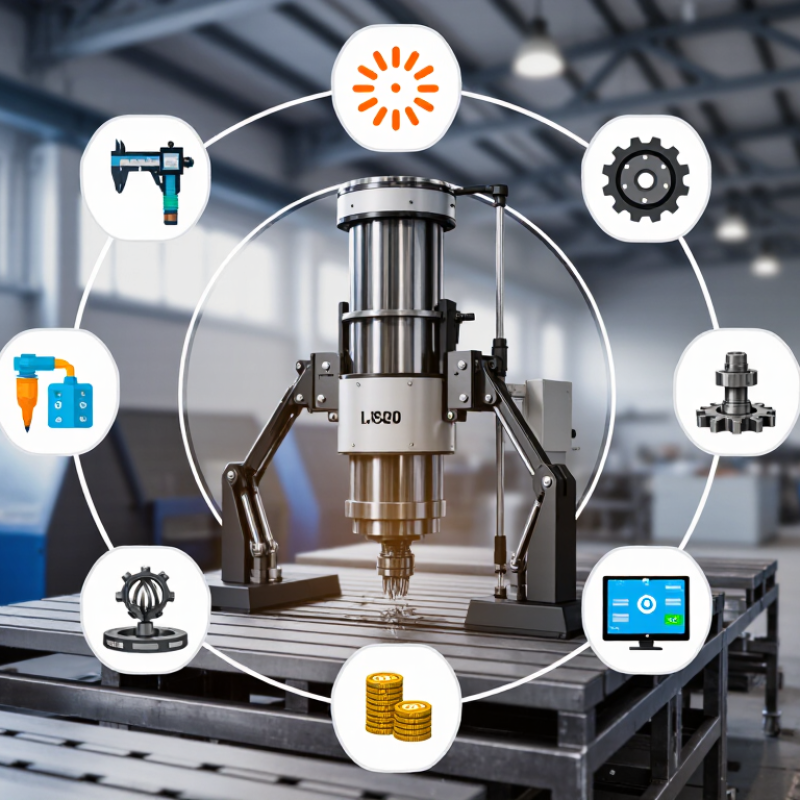
Buying a deep boring machine starts with the workpiece, not the machine catalog. Measure the required bore diameter, depth, material, and tolerance. A horizontal machine suits long shafts and heavy parts. A vertical machine can support large, awkward components. Choose CNC control for repeated accuracy and complex bore paths. Manual control may fit repair work and low production volumes.

Check spindle power against the material. Steel needs stable torque at low speed. Aluminum often benefits from higher cutting speeds. Confirm the machine’s maximum boring depth and bar diameter. A narrow bar may vibrate inside a deep hole. Rigidity matters. Ask about coolant delivery, chip evacuation, and thermal control. Poor chip removal can damage the surface quickly. I once underestimated setup time on a deep steel bore. The cutting tool was suitable, but access was not.

Review measurement systems and verify their stated accuracy under real shop conditions. Request test-bore data, not only promotional specifications. Examine bed length, fixture capacity, and loading methods. A heavy component may need a crane and custom supports. Consider operator training, spare tooling, maintenance access, and electrical requirements. Calculate total ownership cost, including tooling and coolant filtration. Ask whether the machine supports your inspection process. A precise bore is not useful if measurement remains uncertain. Discuss applicable safety and machinery standards with qualified personnel. Some choices look efficient on paper. They may prove costly after installation.
Assessing Bore Size, Depth, Accuracy, and Material Compatibility

10 Tips for Buying a Deep Boring Machine

Assess the required bore diameter, not only the largest advertised capacity. Allow space for tooling, fixtures, and chip evacuation. Measure the deepest hole you actually produce. Then add a practical margin. Excessive depth can increase tool deflection and vibration. Check spindle travel, machine throat, and workpiece loading limits. A long bore needs steady support, not just a powerful motor. I once underestimated fixture height, and the promised capacity became unusable. That mistake was expensive.

Define accuracy with numbers. Ask about diameter tolerance, straightness, concentricity, roundness, and surface finish. Confirm whether those figures apply to the full depth. Request a sample bore in your material. Inspect it with calibrated gauges and documented methods. Check spindle runout at the nose and near the tool holder. Small errors become visible near the hole’s far end. Do not trust a smooth demonstration alone.

Match the machine to the material’s behavior. Hardened steel, aluminum, cast iron, and nickel alloys create different cutting demands. Review spindle torque, speed range, coolant pressure, and chip removal. Abrasive materials may require stronger guides and more frequent inspection. Confirm that the control system supports your boring cycle and tool monitoring. Ask about calibration intervals, operator training, and service response. Keep records. They reveal patterns that memory misses. A slightly smaller machine with stable accuracy may outperform a larger one. That judgment deserves another review.

10 Tips for Buying a Deep Boring Machine? - Assessing Bore Size, Depth, Accuracy, and Material Compatibility

Tip Buying Dimension Practical Data or Selection Guideline What to Check Before Purchase Risk if Overlooked
1 Required Bore Diameter Define the minimum and maximum finished bore diameter. A machine selected for a 40 mm to 200 mm range may not efficiently produce a 300 mm bore without a larger spindle, tool system, and power reserve. Compare the workpiece drawing with the machine's published boring-diameter range, including the actual diameter available with the intended tooling and boring bar. The machine may technically accept the part but lack sufficient rigidity, tool clearance, or cutting power for the required diameter.
2 Maximum Boring Depth Specify the deepest finished bore and allow additional stroke for tool entry, chip evacuation, tool adjustment, and safe withdrawal. A 1,000 mm bore should not be matched with only 1,000 mm of nominal tool travel. Confirm effective boring depth, maximum workpiece length, tool-bar length, steady-rest position, and whether the depth rating applies to the selected boring diameter. Insufficient stroke can force multiple setups, increasing alignment error, cycle time, and the possibility of a visible step or taper inside the bore.
3 Bore Length-to-Diameter Ratio As the length-to-diameter ratio increases, tool deflection and vibration become more difficult to control. Long bores often require guided boring bars, intermediate supports, reduced cutting loads, or specialized deep-hole tooling. Calculate the deepest bore divided by its diameter, then ask for a machining test using the same material, diameter, depth, and tool-support arrangement. A machine may meet the diameter and depth specifications individually but still produce chatter, taper, poor roundness, or unacceptable surface finish at the combined ratio.
4 Accuracy and Repeatability Set separate targets for dimensional accuracy, roundness, straightness, concentricity, and repeatability. The required values should be stated in millimeters or micrometers over a defined bore length. Request a documented acceptance test with calibrated gauges, a specified measurement method, and results taken at multiple positions along the bore. A machine can have good positioning accuracy while the finished bore still shows taper, lobing, runout, or thermal drift.
5 Spindle Speed and Torque Match the spindle speed range to the tool diameter and workpiece material. Large boring bars generally require lower cutting speeds, while small tools may need higher speeds; torque is critical during heavy roughing. Check the continuous and peak torque curve, motor power at the intended speed, spindle runout, and the maximum permissible tool-holder or boring-bar diameter. Excessive speed can damage tools and reduce surface quality, while insufficient torque can cause spindle overload, stalled cuts, or unstable roughing performance.
6 Material Compatibility Review the full material range, such as carbon steel, alloy steel, stainless steel, cast iron, aluminum alloys, nickel-based alloys, and hardened materials. Cutting speed, feed, coolant, and tool grade vary substantially by material. Provide the actual material grade, hardness range, wall thickness, and heat-treatment condition to the supplier, and request a cutting-data recommendation and sample result. A machine suitable for mild steel may not provide adequate rigidity, coolant delivery, chip control, or thermal stability for stainless steel or nickel-based alloys.
7 Machine Rigidity and Load Capacity Evaluate machine mass, bed construction, spindle support, guideway design, workholding capacity, and maximum allowable workpiece weight. Deep boring amplifies the effect of vibration and structural deflection. Check rated cutting loads, maximum part weight, chuck or fixture capacity, support spacing, foundation requirements, and test-cut results at the planned material-removal rate. A light or flexible structure may produce chatter, short tool life, poor geometry, and inconsistent results even when nominal power is sufficient.
8 Coolant and Chip Evacuation Deep bores require reliable coolant access and chip removal. Through-tool coolant, high-pressure delivery, filtration, chip conveyors, and adequate tank capacity can be important for long uninterrupted cuts. Confirm coolant pressure and flow, filtration rating, tank volume, chip-conveyor compatibility, access for cleaning, and whether the system supports the selected tool and material. Packed chips can scratch the bore, block coolant, damage tooling, increase cutting temperature, and cause cycle interruptions or tool breakage.
9 Workholding and Alignment The fixture must support the workpiece along its length and maintain the bore axis during loading and cutting. Long or thin parts may need steady rests, guide bushes, tailstock support, or dedicated fixtures. Review chuck capacity, fixture repeatability, support locations, access for loading, maximum part length, and the alignment procedure used before machining. Poor support can cause part movement, axial misalignment, excessive runout, deformation, and variation between setups.
10 Automation, Measurement, and Serviceability For repeat production, consider probing, automatic tool measurement, tool-life monitoring, program storage, remote diagnostics, and easy access to wear parts. For prototypes, prioritize flexibility and fast setup. Confirm control functions, measurement-device compatibility, alarm history, spare-parts availability, preventive-maintenance requirements, operator training, and service response arrangements. Manual measurement and difficult maintenance can increase setup time, scrap rates, unplanned downtime, and dependence on highly experienced operators.

Note: Final machine selection should be based on a documented test cut using the actual workpiece material, bore diameter, bore depth, tooling, tolerances, and required surface finish.

Comparing Machine Power, Rigidity, Tooling, and Control Systems

10 Tips for Buying a Deep Boring Machine?

Power, rigidity, tooling, and control systems determine whether deep boring stays stable or becomes expensive rework. Power is not only a motor rating. Check spindle torque across the working speed range, especially at low speed. High power at maximum speed may offer little help during heavy boring. Ask the supplier for test-cut results using similar diameters, depths, and materials. Short trials reveal more than polished brochures.

Rigidity deserves close inspection. Examine the bed, column, spindle housing, guideways, and boring-bar support. A rigid structure reduces chatter, tapered holes, and premature tool wear.

Watch the machine during a sample cut. Excessive vibration may appear as a sharp sound, uneven chips, or a rough bore wall.

Tooling must match the application. Consider bar length, diameter, damping, insert geometry, coolant delivery, and chip evacuation. A longer bar is not automatically better.

Control systems should support repeatable setup and quick correction. Look for accurate position feedback, stable feed control, tool-offset management, alarm history, and clear diagnostics. Program simulation can prevent collisions, but it cannot replace a real cut.

I once focused too heavily on advertised power and underestimated bar deflection. That mistake changed my buying checklist.

Request maintenance records, operator training details, and dimensional inspection data. Leave room for honest limitations. No machine performs perfectly with every material, tool, or operator.

Evaluating Safety Features, Maintenance Needs, and Operator Support

10 Tips for Buying a Deep Boring Machine?

Buying a deep boring machine demands more than comparing drilling depth and motor power. Safety features deserve close inspection during a live demonstration. I look for guarded moving parts, reliable door interlocks, and clearly marked emergency stops. The control panel should remain visible from the operator’s normal position. Chip removal and coolant containment also matter. A blocked chip path can create heat, vibration, and sudden tool damage. Ask whether alarms explain the fault clearly. Vague warnings slow decisions.

Maintenance needs often decide the machine’s real cost. Check whether technicians can reach lubrication points without removing major covers. Inspect spindle seals, filters, guideways, and coolant lines. Request a sample maintenance schedule and actual service intervals. Keep records of vibration, temperature, tool wear, and alignment checks. Small changes can reveal trouble early. I once focused too heavily on cutting capacity and overlooked cleaning access. That mistake would have increased downtime.

Operator support should include practical training, detailed manuals, and responsive technical assistance. Ask who answers urgent questions during a failed setup. Confirm whether training covers tool selection, workholding, alarm recovery, and safe restart procedures. A short hands-on session often exposes confusing controls. Request references from users with similar materials and hole depths. Their comments may reveal weaknesses that a sales demonstration hides. Do not rely on promises alone. Test the machine with your own workpiece when possible.

Reviewing Suppliers, Total Costs, Warranty Terms, and After-Sales Service

10 Tips for Buying a Deep Boring Machine?

A low quotation can hide expensive operating risks. During supplier reviews, request three customer references with similar hole diameters, depths, and materials. Ask to inspect boring results, not only polished brochures. Confirm installation experience, operator training, and local technician availability. Plant Engineering’s 2023 Maintenance Report found that 82% of companies experienced unplanned downtime during the previous three years. That figure makes service capability a purchasing issue, not a minor convenience.

Price is not cost. Build a five-year total-cost model covering machine price, tooling, transport, installation, electricity, coolant, calibration, software, training, and planned maintenance. Include lost production during breakdowns. A simple spreadsheet helps, but its assumptions may be wrong. Ask suppliers to provide realistic cycle times using your workpiece samples. Compare energy consumption and consumable usage under the same production schedule. Industry market research continues to show steady machine-tool expansion, yet growth does not guarantee efficient ownership.

Get the warranty in writing. Check coverage for the spindle, hydraulic system, controls, alignment, and replacement labor. Separate warranty periods for major assemblies and wearable parts. Confirm response times, remote diagnostics, spare-parts stock, travel charges, and freight responsibilities. Require a documented acceptance test before final payment. One overlooked detail matters: does the warranty clock begin at shipment, installation, or commissioning? After-sales promises often sound strong until a machine stops beside a half-finished component. Ask for escalation contacts and service records. Then challenge your own assumptions. A familiar supplier may still offer weak support.

10 Tips for Buying a Deep Boring Machine

A practical total-cost comparison for reviewing suppliers, warranty terms, delivery requirements, and after-sales service.

This illustrative planning model uses realistic cost categories for one deep boring machine purchase. The example total is $190,000, including the machine, tooling, installation, freight, five-year maintenance, and a spare-parts or downtime allowance. Request written quotations and verify warranty coverage, response times, technician availability, training, and parts support before making a decision.

Whether your solution requires a single pumping application or an expansive engineered system,
CheckPoint is committed to becoming your partner in excellence.