


10 Tips for Choosing Shot Blasting Equipment?
Choosing the right Shot Blasting Equipment affects surface quality, production speed, operating costs, and worker safety. A machine may look powerful in a brochure, yet perform poorly with your actual parts. The best decision comes from matching equipment design with material type, component size, abrasive selection, and daily workload.
A practical evaluation starts with the workpiece. Record its dimensions, weight, surface condition, and required finish. A small batch of steel castings may need a different system from continuous treatment of structural beams. Check turbine capacity, chamber dimensions, belt or hanger design, dust collection, and abrasive recovery. Ask suppliers for test results, maintenance schedules, energy data, and references from similar facilities. Seeing a machine operate can reveal vibration, noise, uneven blasting, or difficult access points.
Safety deserves equal attention. Inspect guarding, emergency stops, ventilation, noise control, and replacement-part availability. Reliable manufacturers should explain limitations, not only advertise advantages. Equipment with advanced automation can still create problems when operators lack training or spare parts. That point is easy to miss.
These ten tips are designed to support a more careful purchase. They combine practical shop-floor observations with technical considerations and supplier verification. No checklist can remove every uncertainty. A trial run may still challenge your assumptions, especially when coatings, complex shapes, or changing production volumes are involved. Careful questions now can prevent expensive modifications later.
Define the Shot Blasting Process and Equipment Requirements
Start with the surface, not the machine. Identify the substrate, coating, rust level, target cleanliness, and required surface profile. ISO 8501-1 provides visual grades for prepared steel surfaces, but visual inspection alone can miss embedded dust. Use profile gauges and dust tests when coating performance matters. Measure it first.
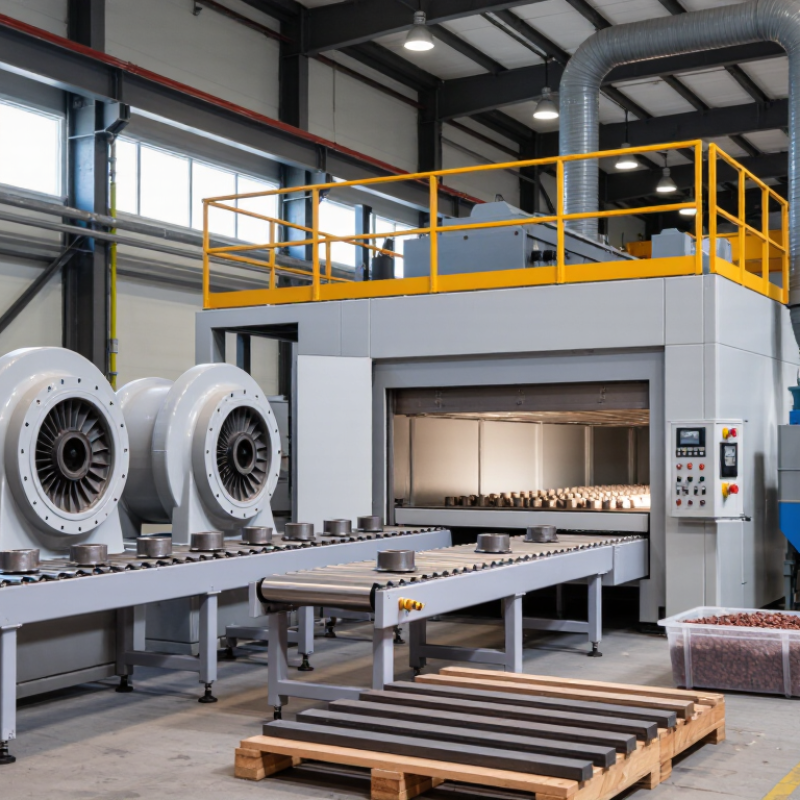
Then define production conditions. Record part dimensions, hourly volume, loading method, and difficult areas such as weld corners or blind holes. Wheel blasting suits repeatable, high-volume parts. Compressed-air blasting offers better control for large or irregular components. A common mistake is choosing by cabinet size alone. In shop audits, I have seen oversized systems waste energy while small systems create production bottlenecks.
Dust collection, abrasive recovery, and ventilation belong in the same specification. The U.S. Department of Energy reports that compressed air can consume about 10% of industrial electricity, while leakage may waste 20–30% of compressor output. That makes nozzle size, pressure, recovery efficiency, and maintenance measurable cost factors. EPA guidance also supports routine leak detection and pressure optimization. Do not ignore operator visibility. Poor lighting or unstable airflow can leave clean-looking shadows. Define acceptable dust, noise, media breakdown, and maintenance access before comparing quotations. The “best” equipment may still fail if the process definition is incomplete.
Match Equipment Type to Workpiece Material and Surface Condition
Choosing shot blasting equipment begins with the workpiece, not the machine catalog. Material hardness, thickness, geometry, and surface condition all affect the correct process. Steel castings may tolerate aggressive wheel blasting, while thin aluminum parts can bend, pit, or lose their shape. Geometry changes everything.
For large batches of durable parts, a tumblast system can provide consistent coverage through controlled rotation. It may be unsuitable for delicate edges or parts that mark against each other. A hanger system offers better control for complex shapes and heavy components. Air blast equipment works well for selective cleaning, recessed areas, and smaller production runs. I have found that no single system handles every surface equally well.
Surface contamination also matters. Thick rust, scale, paint, and foundry sand require different abrasive energy levels. Start with test panels that represent the hardest-to-clean areas. Check the surface under good lighting, then measure profile or cleanliness when the application requires it. Thin parts need restraint. Lower pressure, finer media, shorter exposure, or softer handling may prevent unnecessary damage. Clean, dry surfaces improve repeatability, but real workshops are rarely perfect. Dust buildup, worn nozzles, and uneven media flow can quietly change results. A practical equipment choice should allow easy inspection, media adjustment, dust control, and routine maintenance. Reconsider the setup when defects appear; increasing blast intensity is not always the answer.
| Tip | Workpiece Material or Condition | Recommended Equipment Type | Suitable Abrasive | Typical Process Focus | Selection Considerations |
|---|---|---|---|---|---|
| 1Match the machine to part size | Small castings, forgings, fasteners, and components that can be safely tumbled | Batch tumble or barrel blast machine | Steel shot, conditioned steel grit, or ceramic media | Bulk removal of loose sand, scale, and flash from multiple parts | Use parts with sufficient toughness and rounded geometry. Avoid delicate, thin, or easily entangled components. |
| 2Protect long or flat parts | Long shafts, plates, beams, structural sections, and fabricated frames | Continuous conveyor or pass-through blast machine | Steel shot or steel grit, selected according to the required profile | Uniform cleaning and preparation on accessible surfaces | Check the maximum workpiece length, width, height, weight, and conveyor load. Confirm that shadowed areas will receive adequate coverage. |
| 3Use controlled handling for fragile parts | Thin sheet metal, aluminum components, zinc-based castings, and precision parts | Hanger or cabinet blast machine with adjustable exposure | Fine glass bead, plastic media, ceramic media, or fine non-ferrous abrasive | Light cleaning, deburring, or cosmetic surface refinement | Lower abrasive aggressiveness and reduce impact energy to limit distortion, denting, and dimensional change. |
| 4Choose high-impact cleaning for heavy scale | Carbon-steel forgings, hot-rolled steel, and heat-treated parts with tenacious mill scale | Tumble, hanger, or table blast machine with robust blast wheels | Steel grit for cutting action or steel shot for peening and general cleaning | Removal of mill scale, heat-treatment scale, rust, and foundry residue | Verify blast-wheel capacity, wear-resistant liners, abrasive flow control, and dust-collection performance. |
| 5Account for non-ferrous metals | Aluminum, magnesium, copper, brass, and other relatively soft alloys | Air-blast cabinet or dedicated low-impact continuous system | Glass bead, plastic media, ceramic media, or fine aluminum-oxide abrasive | Oxide removal, coating preparation, blending, or controlled texturing | Prevent ferrous contamination when corrosion resistance or electrical performance matters. Use dedicated media and thorough cleaning. |
| 6Separate cleaning from surface profiling | Steel surfaces requiring paint, thermal spray, or protective coating | Air-blast room, blast cabinet, or wheel-blast machine with profile control | Angular steel grit or mineral abrasive, depending on the required profile and substrate | Removal of rust and old coatings while creating a measurable anchor profile | Specify the required cleanliness grade and surface profile before selecting nozzle size, abrasive size, and operating pressure. |
| 7Consider internal cavities | Castings, valves, pipes, housings, and components with holes or recessed passages | Manual air-blast cabinet with flexible nozzle access or specialized internal-blast equipment | Fine to medium abrasive compatible with the substrate and required finish | Cleaning internal surfaces that wheel blast systems may not reach directly | Check nozzle reach, abrasive recovery, visibility, ventilation, and the ability to remove trapped abrasive after blasting. |
| 8Match media to the desired finish | Parts requiring either a matte finish, a clean profile, or a peened surface | Equipment with adjustable wheel speed, air pressure, abrasive flow, and exposure time | Steel shot for peening and smoother impact; steel grit or aluminum oxide for sharper cutting action | Surface cleaning, texturing, deburring, or controlled shot peening | Media shape, size, hardness, and breakdown rate affect roughness, cleaning speed, and dimensional risk. Validate the result on representative samples. |
| 9Plan for production volume | Low-volume, mixed-size jobs versus repetitive high-volume production | Manual cabinet for flexible batches; automated table, hanger, tumble, or pass-through system for repeatable production | Recyclable steel media for many ferrous applications; disposable or low-contamination media for specialized work | Balancing throughput, consistency, labor, and changeover time | Compare loading method, cycle time, abrasive recovery, maintenance access, and dust-collector capacity rather than machine size alone. |
| 10Verify safety and environmental controls | Any operation involving airborne dust, abrasive rebound, noise, or coating residues | Fully enclosed system with interlocked doors, suitable ventilation, abrasive recovery, and dust collection | Media selected for the substrate, contamination limits, and waste-handling requirements | Safe, compliant, and repeatable blasting with controlled emissions | Review guarding, emergency stops, enclosure integrity, filtration, noise control, operator protection, and abrasive disposal procedures before purchase. |
Evaluate Blasting Capacity, Abrasive Flow, and Cleaning Performance
Choosing shot blasting equipment requires more than checking motor power. Evaluate the actual blasting capacity first. Measure parts per hour, chamber size, and loading method. A machine may accept large components but process them slowly. Ask for tested production data, not optimistic estimates.
Tip: Match abrasive flow to surface requirements. Excessive flow can waste media, increase dust, and damage thin edges. Insufficient flow leaves rust, scale, or coating behind. Check the metering valve, reclaim system, and separator. Stable abrasive circulation usually matters more than maximum throwing speed. We sometimes focus too much on speed. That can be a costly mistake.
Cleaning performance should be judged on real workpieces. Request sample testing with your actual steel shape, contamination, and target cleanliness. Inspect corners, weld areas, recesses, and overlapping surfaces. Measure surface profile when coating adhesion depends on it. Track cycle time, media consumption, dust levels, and maintenance effort. A visually bright surface is not always properly prepared. Lighting can hide uneven cleaning.
Tip: Review blast wheel coverage and nozzle positioning carefully. Poor coverage creates unclean strips and forces repeated passes. Inspect wear parts after extended operation, not only during demonstrations. Records from daily production are valuable evidence. Equipment that performs well for one shift may struggle after several weeks. Leave room for adjustment, because abrasive size, humidity, and part geometry can change results.
Compare Automation, Safety Features, Maintenance, and Operating Costs
Choosing shot blasting equipment requires more than comparing cabinet size or abrasive capacity. Automation should match production rhythm. A rotary table may reduce handling, while continuous systems suit repeatable parts. However, automation adds sensors, controls, and planned downtime. A practical trial with real workpieces often reveals more than a brochure.
Safety features deserve measurable attention. Enclosed loading zones, interlocked doors, dust extraction, and clear emergency stops reduce exposure risks. OSHA sets an 85 dBA action level for hearing conservation and a 90 dBA eight-hour permissible exposure limit. Request measured noise data, not vague claims. Fine dust also demands effective filtration and airflow monitoring. Small leaks matter. The U.S. Department of Energy reports that compressed-air leaks can waste 20–30% of compressor output. That loss quietly increases operating costs.
Maintenance should be judged beside purchase price. Ask how quickly operators can reach filters, wear liners, blast wheels, and reclaim screens. Record abrasive consumption, electricity use, filter replacement intervals, and labor minutes per batch. The U.S. Energy Information Administration identifies industrial electricity as a major manufacturing expense, so motor efficiency deserves attention. A perfect payback model is rarely possible. I would challenge any estimate that ignores cleaning time and unexpected stoppages. One missed filter change can turn stable production into a dusty, expensive shift. Choose equipment with accessible service points, fault diagnostics, and documented spare-part requirements.
Verify Equipment Quality, Supplier Support, and Long-Term Value
When choosing shot blasting equipment, inspect quality beyond the painted surface. I have learned that a clean demonstration proves little. Open the cabinet and examine welds, seals, liners, and access doors. Look for even alignment and practical maintenance space. Ask the supplier for media consumption, blasting capacity, dust collection performance, and noise data. These figures should match your workload, not a perfect showroom sample. I once approved a machine too quickly and underestimated liner replacement time. That mistake changed my inspection process.
Supplier support deserves equal attention. Request clear installation drawings, operating manuals, training details, and spare-part lists. Ask how quickly technical staff respond during breakdowns. Speak with users handling similar materials and production volumes. Their experience often reveals delays hidden in sales discussions. A reliable supplier should explain limitations honestly, including unsuitable workpieces or expected wear. Short answers worry me.
Long-term value depends on serviceability, not only purchase price. Compare energy use, abrasive recovery, filter replacement, and routine labor. Check whether common wear parts are locally available and reasonably priced. Review the warranty carefully, especially coverage for motors, liners, controls, and dust equipment. A useful supplier will help calculate cost per blasted part over several years. Do not accept every estimate without testing it. Request a sample run using your actual components, surface condition, and required finish. Measure results before signing.
Article Source:

Whether your solution requires a single pumping application or an expansive engineered system,
CheckPoint is committed to becoming your partner in excellence.


