


What Are the Top Motor Pump Types for Global Buyers?

Global buyers rarely need the most powerful motor pump. They need the right match for flow, pressure, fluid, voltage, and working conditions. A compact booster pump may suit a clean-water building system. A corrosion-resistant centrifugal model may perform better in coastal processing facilities. A self-priming pump can reduce installation problems where air enters the suction line.

Dr. Lev Nelik, a recognized pump-system specialist, offers a practical reminder: “A pump is only as good as the system around it.” This principle shapes our comparison of centrifugal, submersible, diaphragm, gear, and screw motor pump types. Each design carries different strengths, service demands, and energy costs. Buyers should examine duty cycles, seal materials, motor efficiency, spare-part access, and local technical support. Specifications alone can mislead.

Real conditions matter.

A pump tested in clear laboratory water may struggle with sand, heat, or irregular power supply. In my experience, procurement teams sometimes focus too heavily on purchase price. That choice can create higher maintenance costs later. However, no single pump type wins every application. Some recommendations still require field testing, especially for abrasive liquids or changing flow rates. This guide explores the leading motor pump options for global buyers, using practical selection criteria rather than marketing claims. It also recognizes an uncomfortable truth: the cheapest unit is not always economical, and the most advanced model may be unnecessary.
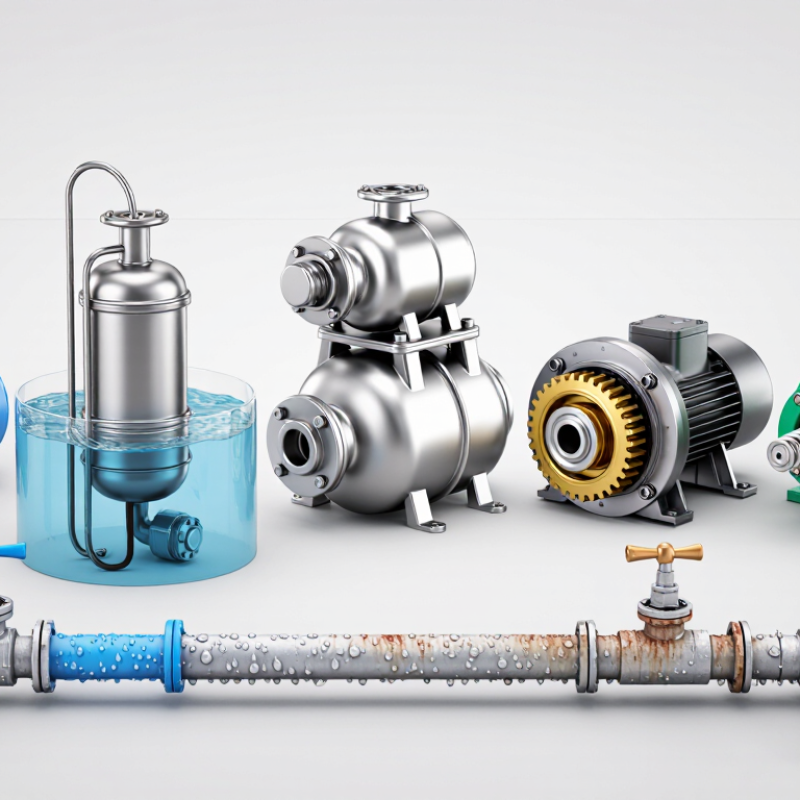
What Are the Top Motor Pump Types for Global Buyers?

Motor Pump Basics: Definition, Structure, and Operating Principles

Motor Pump Basics: Definition, Structure, and Operating Principles

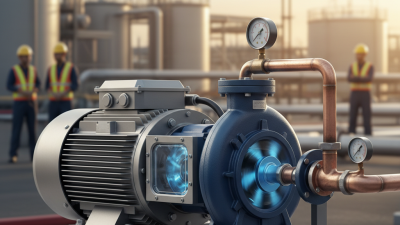
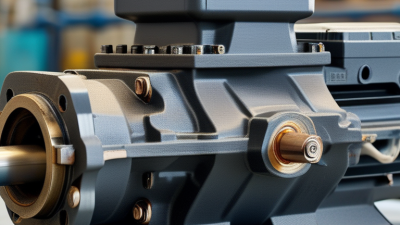
A motor pump is a mechanical unit that transfers liquid using motor-driven energy. The motor supplies rotation, while the pump converts that rotation into fluid movement. Common assemblies include an electric motor, coupling or direct shaft, bearings, seals, impeller, casing, suction inlet, and discharge outlet. Each part has a practical role. A damaged seal may cause leakage, while a worn bearing can create heat and vibration.

Centrifugal motor pumps use a spinning impeller to accelerate liquid outward. The casing then changes velocity into pressure. They suit clean water, cooling circuits, irrigation, and many industrial services. Positive displacement pumps work differently. They trap a fixed liquid volume and push it forward during each cycle. This design handles thicker fluids and controlled flow more effectively. The choice depends on viscosity, flow rate, head pressure, temperature, and solids content.

Installation details often decide real performance. A suction pipe that is too narrow can cause cavitation, producing a harsh gravel-like sound. Poor alignment may shorten bearing life within months. Field technicians also check priming, rotation direction, base rigidity, and electrical protection before operation. A pump can appear correctly sized on paper and still perform poorly onsite. That is an uncomfortable but common lesson. Buyers should review duty conditions, maintenance access, seal materials, and local power standards. Small differences in voltage or liquid properties can change reliability significantly. Performance curves help, but they are not the whole decision.


Main Motor Pump Types and Their Key Design Differences

What Are the Top Motor Pump Types for Global Buyers?

Choosing a motor pump starts with the liquid, flow rate, and installation conditions. Centrifugal pumps use rotating impellers to create smooth, continuous flow. They suit clean water, cooling circuits, and many industrial transfer tasks. Their design is compact, but performance can fall sharply when air enters the suction line.

Positive displacement pumps move a fixed volume during each cycle. Gear, screw, and diaphragm designs handle thicker fluids or precise dosing better than most centrifugal models. They usually produce higher pressure, yet their internal clearances may suffer when abrasive particles pass through. A relief device is often essential.

Submersible pumps place the motor and pump below the liquid surface. This arrangement reduces suction problems and works well in drainage pits, wells, and wastewater tanks. Dry-running protection matters because the motor depends on surrounding liquid for cooling. Self-priming pumps remain above the tank and use an internal chamber to remove air from the suction pipe. They are practical for changing liquid levels, though priming time can vary.

From field inspections, seal failure is often blamed on poor pump quality. Misaligned pipes, blocked strainers, and unstable voltage are common causes. Buyers should check material compatibility, duty cycle, local power standards, and service access. A higher flow rating is not always better. It can increase energy use and create damaging pressure. Calculations still need verification under real operating conditions.

Top Motor Pump Types and Their Key Design Differences

Positive-displacement pumps generally provide higher discharge pressure, while centrifugal pumps are designed for continuous, high-flow service. The values below show indicative maximum discharge pressures commonly associated with standard industrial configurations; actual performance depends on materials, stages, speed, temperature, and application design.

How to Match Pump Types with Fluids and Operating Conditions

Global buyers often compare motor pump types by price, but fluid behavior should lead the decision.

Centrifugal pumps suit clean, low-viscosity liquids and steady flow.

Positive displacement pumps handle thick fluids, dosing, and higher discharge pressures.

Diaphragm pumps work well with abrasive or chemically aggressive liquids.

Submersible pumps fit flooded pits, drainage systems, and deep wells.

Match materials and hydraulics carefully.

Water may tolerate cast iron, while seawater often requires corrosion-resistant alloys or engineered polymers.

Slurries need wide passages, hardened wear parts, and lower speeds.

A viscous liquid can overload a motor when temperature drops. It happens.

The U.S. Department of Energy notes that pumping systems may represent 25% to 50% of industrial energy use in some facilities, making efficiency more than a purchase detail.

Operating conditions matter just as much.

Check flow, total dynamic head, suction pressure, temperature, solids concentration, and duty cycle.

Variable-speed control can reduce throttling losses, but it cannot fix an incorrectly sized pump.

The International Energy Agency has reported that electric motor systems consume a major share of global electricity, so motor efficiency and control deserve equal attention.

Use verified performance curves, not brochure claims alone.

Factory data helps, yet site measurements remain essential.

A clean test fluid can hide real-world problems.

Recheck the selection after seasonal temperature changes, startup frequency, and maintenance access are understood.

Performance Factors for Global Buyers to Compare

Global buyers usually compare centrifugal, positive displacement, and submersible motor pumps. Each type solves a different operating problem.

Centrifugal pumps suit steady water flow and moderate pressure. Positive displacement pumps handle thicker fluids and precise dosing. Submersible pumps work well in wells, drainage pits, and flooded chambers.

Performance begins with flow rate and total head, not motor power alone. A pump moving 40 cubic meters per hour may fail if the site requires higher elevation. Check the duty point against the manufacturer’s performance curve. Efficiency matters, especially where electricity costs are high.

Also examine voltage, frequency, insulation class, duty cycle, and starting current. These details can prevent overheating in remote facilities. In field inspections, I have seen pumps selected correctly on paper but poorly matched to local power conditions. That mistake is easy to repeat.

Tips:

Compare efficiency at your actual duty point. Ask for test data, material specifications, and spare-part availability. Review seal design when sand, chemicals, or abrasive particles are present. Stainless components may resist corrosion, but they do not solve every fluid problem. Consider noise, installation depth, maintenance access, and ambient temperature. A compact pump can be convenient, yet difficult servicing may increase long-term costs. Local technicians should understand the controls and protection system. Perfect selection is rare. Leave room for uncertainty, because seasonal demand and changing water quality can expose weaknesses later.

Selection Standards, Maintenance Needs, and Buying Considerations

What Are the Top Motor Pump Types for Global Buyers?

Centrifugal pumps suit clean water, irrigation, and many industrial transfer tasks. They work efficiently when flow remains steady. Positive displacement pumps handle thick fluids and controlled dosing more reliably. Submersible pumps are practical for drainage, wells, and flooded pits, where dry installation is difficult. Each type has limits. Choosing by price alone is risky.

Selection should begin with flow rate, total head, fluid temperature, viscosity, and suspended particles. Confirm voltage, frequency, motor protection, and enclosure rating for the destination market. Stainless steel or coated components may better resist corrosion. A pump should operate near its rated duty point, not at the edge. Efficiency matters, but compatibility matters more.

Maintenance needs are often underestimated. Operators should inspect seals, bearings, couplings, cables, and vibration on a fixed schedule. Keep suction lines clear and prevent dry running. For muddy water, flush the casing after use. Spare seals and bearings should be locally obtainable. Field inspections often find that installation errors cause more failures than manufacturing defects. A cheaper motor may look attractive on paper, yet consume more power every working hour. I would also question optimistic service-life claims without test records, clear warranty terms, and documented performance data. Small details matter.

What Are the Top Motor Pump Types for Global Buyers? - Selection Standards, Maintenance Needs, and Buying Considerations

Pump Type Operating Principle Typical Flow Range Typical Pressure / Head Best-Fit Applications Fluid Compatibility Key Selection Standards Routine Maintenance Needs Main Buying Considerations
End-Suction Centrifugal An impeller converts motor energy into fluid velocity and pressure. Approximately 1–2,000 m³/h Approximately 5–150 m head; application dependent Water supply, HVAC circulation, irrigation, general industrial transfer Clean or lightly contaminated, low-viscosity liquids Duty point, pump curve, NPSH margin, motor efficiency, seal material, corrosion resistance Inspect seals and bearings; check alignment, vibration, lubrication, impeller wear, and suction blockage Low initial cost and broad availability, but avoid operation far from the best-efficiency point
Multistage Centrifugal Several impellers add pressure progressively in one pump casing. Approximately 0.5–500 m³/h Approximately 50–600 m head Boiler feed, pressure boosting, reverse-osmosis pretreatment, high-rise water systems Clean, low-viscosity liquids with controlled solids content Required head, stage count, water temperature, seal design, inlet pressure, dry-run protection Monitor stage pressure, seals, bearings, vibration, and scaling; keep suction conditions stable Efficient for high head, but more sensitive to poor water quality and incorrect installation
Positive Displacement Gear Meshing gears transfer a nearly fixed volume of fluid per revolution. Approximately 0.01–200 m³/h Approximately 2–250 bar, subject to design Oil transfer, lubrication systems, fuel handling, polymers, chemical dosing Clean to moderately filtered viscous liquids; abrasive solids can accelerate wear Viscosity range, required flow accuracy, relief-valve protection, gear and seal materials Check relief valve, shaft seal, gear clearance, lubrication, filtration, and abnormal noise Excellent metering and viscous-fluid performance; never run against a closed discharge without relief protection
Diaphragm Pump A flexible diaphragm moves fluid through inlet and outlet check valves. Approximately 0.01–100 m³/h Approximately 2–15 bar for many industrial models Chemical transfer, wastewater, slurries, paint, food and pharmaceutical processing Corrosive, abrasive, shear-sensitive, or solids-bearing fluids when wetted parts are correctly selected Diaphragm and valve compatibility, solids size, pulsation control, air or motor-drive requirements Replace diaphragms and valve seats as required; inspect leakage, pulsation dampeners, and fasteners Good containment and dry-run tolerance in many designs, but flow pulsation and wear-part costs must be considered
Submersible Pump A sealed motor and pump operate below the liquid surface. Approximately 1–2,500 m³/h Approximately 5–100 m head Drainage, sewage, dewatering, stormwater, wells, construction sites Clean water, wastewater, sludge, and solids-bearing fluids with suitable impeller design Solids passage, immersion depth, cable rating, motor cooling, IP protection, float or level controls Clean intake screens; inspect cable, seals, insulation, impeller, and moisture sensors; follow lifting procedures Simplifies priming and installation, but access for servicing may be more difficult
Progressive Cavity Pump A rotor moves sealed cavities through a stator, producing steady displacement. Approximately 0.1–500 m³/h Approximately 2–60 bar Sludge, polymers, food products, oils, wastewater, and high-solids fluids Viscous, abrasive, shear-sensitive, and solids-containing liquids; elastomer compatibility is critical Rotor and stator materials, solids concentration, temperature, speed control, dry-run protection Prevent dry running; inspect rotor, stator, joints, seals, drive train, and wear rate Low-pulsation flow and strong solids handling, but stator wear and spare-part planning are important
Piston / Plunger Pump A reciprocating piston or plunger displaces a measured fluid volume. Approximately 0.001–200 m³/h Approximately 10–1,000 bar, depending on design High-pressure cleaning, metering, water treatment, pressure testing, chemical injection Clean or filtered liquids; abrasive particles can damage valves, plungers, and seals Pressure rating, stroke rate, pulsation dampening, valve design, seal materials, and filtration Inspect valves, packing, plungers, lubrication, pressure relief devices, and pulsation dampeners Best for high pressure and accurate dosing; higher maintenance and pulsation control may be required
Buyer Note: Final selection should be based on the verified duty point, liquid properties, temperature, solids content, installation conditions, local electrical requirements, total cost of ownership, spare-parts availability, and applicable safety standards. Flow and pressure ranges are general engineering reference values and must be confirmed against the selected pump's performance curve.

Whether your solution requires a single pumping application or an expansive engineered system,
CheckPoint is committed to becoming your partner in excellence.