Top 10 Piling Equipment for Your Construction Needs?
In the construction industry, choosing the right Piling Equipment is crucial for project success. According to Dr. Emily Sterling, a noted expert in geotechnical engineering, "Effective piling solutions can significantly reduce project risks and enhance structural integrity." This emphasizes the importance of selecting appropriate machinery.
Piling equipment plays a vital role in creating strong foundations. From augers to vibratory hammers, each tool presents unique benefits. Yet, understanding these options can be overwhelming. Mistakes in this area can lead to delays and cost overruns, which no contractor desires.
As projects grow in complexity, the demand for reliable piling equipment increases. Each piece of machinery should be evaluated for its suitability and performance in varying soil conditions. Construction professionals must analyze their specific needs carefully. By doing so, they can ensure a successful outcome, avoiding the pitfalls that poor equipment choices may bring.
Essential Criteria for Selecting Piling Equipment for Construction
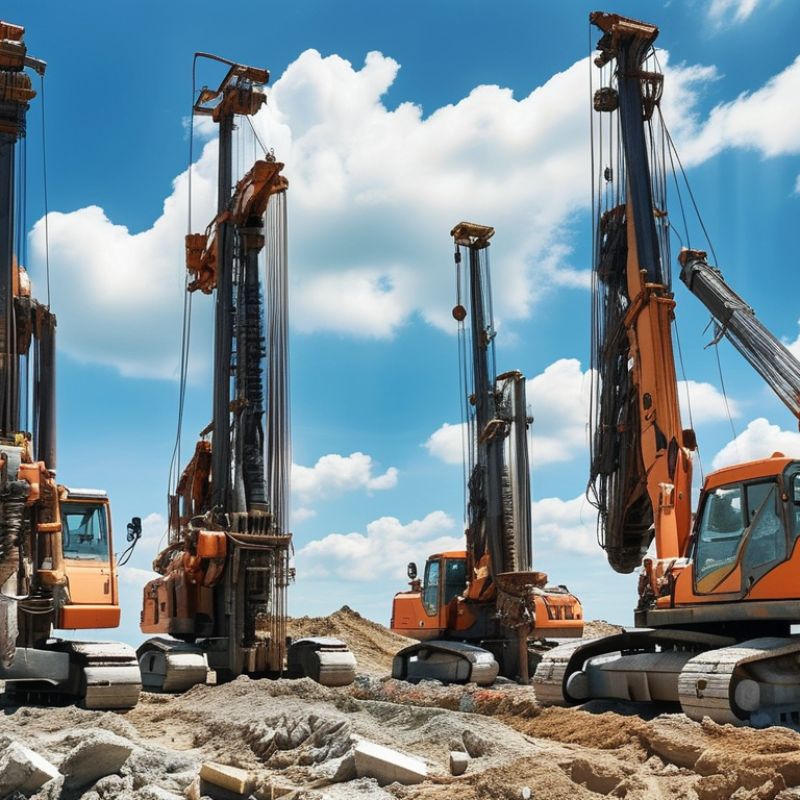
When selecting piling equipment for construction, several key factors come into play. The soil type is paramount. Different soils react differently to various piling methods. A thorough geotechnical analysis is essential. It helps in understanding the limits and capabilities of specific equipment.
Next, consider the project’s depth requirements. Piling equipment varies widely in reach and load capacity. Assessing your project's depth ensures the chosen equipment can achieve necessary benchmarks. Additionally, the site conditions should not be overlooked. Accessibility and space limitations impact equipment selection. What works well in an open area may not fit in a crowded location.
Lastly, operators’ expertise cannot be understated. Skilled operators can vastly improve the efficiency of any machinery. Lack of experience can lead to costly errors. Investing in training for your team could save time and resources in the long run. Equipment should match not just the project needs but also the workforce's capabilities. Balancing these factors can lead to a successful construction project.
Overview of Different Types of Piling Equipment Available in the Market
When planning a construction project, selecting the right piling equipment is crucial. Each type of piling equipment serves specific needs. For example, a vibratory pile driver is efficient for driving piles into soil with minimal disturbance. It works quietly and can operate in tight spaces. However, it may not work well in very hard soils.
Another option is the impact hammer, which delivers powerful blows to drive piles deeper. This equipment is typically used in heavy-duty applications. Yet, the noise and vibrations may cause issues in urban areas.
There are also rotary drilling rigs that allow for precise boreholes, useful in mixed ground conditions. They can be slower than other methods, but they provide stability.
Bored piles are constructed on-site, often used in locations with limited access. This type allows for a high degree of customization. However, they require skilled labor and can be more expensive. Selecting the right equipment depends on various factors, including soil conditions, project budget, and environmental considerations. Careful evaluation of each option helps ensure success.
Top 10 Piling Equipment: Features and Specifications Comparison
When selecting piling equipment, understanding features and specifications is crucial. The right machinery can significantly affect overall project efficiency. According to data from the Construction Industry Institute, nearly 25% of project delays can be attributed to inadequate equipment choices.
Consider the pile driver type. Different types, such as hydraulic and vibration pile drivers, serve unique functions. Hydraulic drivers excel in silt and clay, while vibratory drivers are better for sand and gravel. Evaluating soil conditions is vital. A recent report noted that projects with improper equipment for soil types faced around 15% more costs.
Depth capacity is another key feature. Many contractors overlook maximum pile depth specifications, which vary by design. Some models have a driving capacity of up to 100 feet. This can impact the choice of foundation design. Efficiency, noise levels, and maintenance needs are also important considerations that should not be neglected. Data shows that regularly maintained equipment reduces breakdown rates by 30%. Without proper evaluation, even the best machinery can become a liability.
Maintenance and Safety Considerations for Piling Equipment Operations
Piling equipment is essential in construction. Understanding maintenance and safety is critical for effective operations. Regular inspections can prevent costly failures. The Occupational Safety and Health Administration (OSHA) reports that construction sites account for 20% of workplace fatalities. Ensuring proper site safety measures is a must.
Routine maintenance includes checking hydraulic systems and bolts. A recent study shows that 30% of equipment failures arise from inadequate maintenance. Operators should keep logs of all maintenance activities. This helps in identifying recurring issues and aids in preventive strategies. Safety training programs on piling operations decrease accident rates significantly.
Tip: Use visual aids to enhance safety training. Regular toolbox talks keep safety at the forefront. Establish a culture of safety where every worker feels responsible. This enhances awareness and promotes better practices in piling operations. Safety gear must be utilized consistently to shield against potential hazards. Adopting a proactive approach can lead to a safer construction site.
Top 10 Piling Equipment for Your Construction Needs
| Equipment Type | Weight (tons) | Max Depth (meters) | Power Source | Maintenance Tip |
| Hydraulic Pile Driver | 25 | 30 | Hydraulic | Regularly check hydraulic fluid levels. |
| Vibratory Pile Driver | 20 | 25 | Electric | Inspect vibration mechanism for wear. |
| Static Pile Driver | 30 | 20 | Manual | Ensure all moving parts are lubricated. |
| Drilling Rig | 35 | 40 | Diesel | Check for drill bit sharpness regularly. |
| Bored Pile Rig | 40 | 35 | Electric/Diesel | Examine auger for damage after use. |
| Driving Hammer | 15 | 15 | Manual | Clean and check for rust frequently. |
| Pile Cutter | 10 | 10 | Electric | Sharpen blades before critical jobs. |
| Sheet Pile Driver | 28 | 30 | Hydraulic | Inspect seals for leaks regularly. |
| Piling Frame | 22 | 20 | Manual | Regularly inspect frame for stability. |
| Impact Pile Driver | 26 | 28 | Diesel | Monitor engine performance closely. |
Cost Analysis: Budgeting for Piling Equipment in Construction Projects
When planning construction projects, budgeting for piling equipment is crucial. Proper cost analysis ensures that you have the right resources without overspending. Piling equipment varies widely in price. Factors like location, project size, and soil conditions influence total expenses. It’s vital to conduct thorough research on equipment costs before making decisions.
Tips: Before purchasing, consider renting equipment. This option provides flexibility and can save money on short-term projects. Remember to factor in additional costs such as transportation and maintenance. Get quotes from multiple suppliers to find the best deal.
Additionally, don’t overlook labor costs associated with operating piling equipment. Skilled operators are essential for efficiency and safety. Training for operators can incur extra costs but remain a wise investment. Be open to reviewing project budgets periodically and adjust based on actual expenses. Flexibility helps manage unexpected financial challenges.
Top 10 Piling Equipment Cost Analysis