

What Are the Top Types of Electric Diaphragm Pumps?
An electric diaphragm pump moves liquid by flexing a diaphragm with an electric motor or solenoid. That simple action supports several distinct designs. Some models serve as compact dosing pumps, delivering measured volumes of chemicals or treatment solutions. Others prioritize steady transfer, handling water, oils, or compatible process fluids. Motor-driven and solenoid-driven designs differ in how they move the diaphragm, control flow, and suit continuous or intermittent operation.
Pump author Michael Volk’s systems-focused work offers a useful selection principle, paraphrased here: “Match the pump to the fluid and duty, not the product label alone.” That distinction matters. A small metering unit may provide precise dosing but lack the flow needed for bulk transfer. A larger transfer pump may move liquid quickly, yet offer less dosing precision. Check fluid compatibility, required flow and pressure, electrical supply, control method, and maintenance access. Look closely at seals and wetted materials, too.
The leading types are not always neat, separate categories. Features can overlap, and product names vary between manufacturers. That can be confusing. This guide compares common electric diaphragm pump designs by operating mechanism and typical use, then explains where each may fit. It also points out trade-offs, such as pulsation, noise, and wear. Specifications deserve a second look. Real installations can expose limits that a catalogue table misses, so final selection should reflect the actual fluid and operating conditions.
Mechanical Motor-Driven Diaphragm Pumps
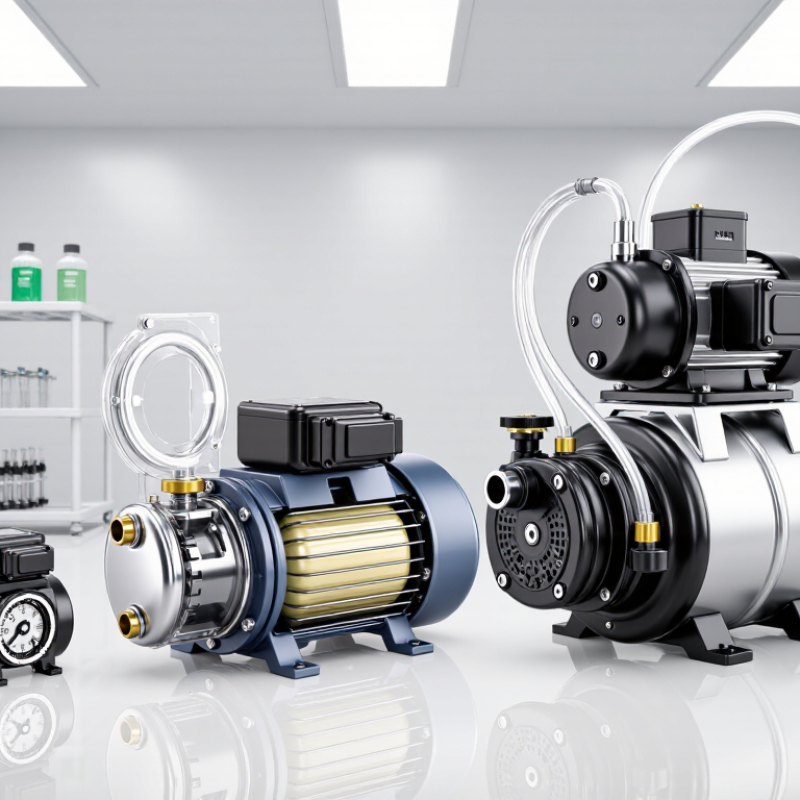
Mechanical motor-driven diaphragm pumps convert rotary motion into a measured reciprocating stroke. An electric motor turns a crank or eccentric mechanism, flexing a diaphragm inside the liquid chamber. Inlet and discharge check valves guide flow. The diaphragm also separates the pumped liquid from the drive assembly, which can be useful when leakage or contamination matters.
Flow depends on stroke length, speed, valve response, and discharge pressure. It is not automatically precise. At low flow rates, sticky valves or trapped air can make each stroke less predictable; verify performance under actual operating conditions. Pulsation is another practical detail. A small dampener may smooth discharge, but it adds cost and maintenance.
The U.S. Department of Energy’s Improving Pumping System Performance: A Sourcebook for Industry reports that pumping-system improvements can often save 20% to 50% of energy. That range applies to systems, not to diaphragm pumps alone. It points to the value of checking motor sizing, piping losses, and control settings before choosing a larger unit. Listen during a test run. A steady stroke is reassuring, but it does not replace a flow and pressure check.
Solenoid-Driven Diaphragm Metering Pumps
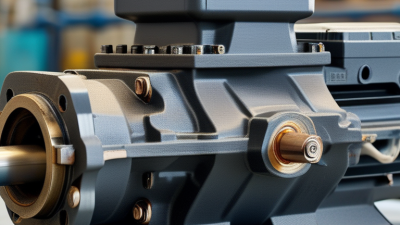
Solenoid-driven diaphragm metering pumps use electrical pulses to move a flexible diaphragm. Each stroke draws liquid into a chamber and pushes a measured volume through the outlet. This design keeps the pumped fluid separate from the drive mechanism, which can help when handling corrosive or sensitive liquids. It also supports controlled dosing in water treatment, process systems, and laboratory equipment. Small strokes matter.
Output depends on stroke length, pulse frequency, fluid properties, and discharge pressure. A pump that meters clean water smoothly may behave differently with viscous liquid or trapped air. Check wetted materials against the chemical, and confirm the required flow range and pressure before selection. Real installations can be less tidy than a specification sheet suggests.
Tips: Prime the pump carefully and inspect the suction line for leaks or air pockets. Start at a conservative setting, then verify the delivered volume with a timed collection test. Keep notes on pressure and calibration. One detail is easy to overlook: back pressure can affect performance, so recheck dosing after the system changes.
These broad, indicative capacity ranges show how common electric diaphragm metering pump types are generally applied. Actual flow limits vary by pump design, operating pressure, and fluid; consult the specific pump specifications when selecting equipment.
Hydraulically Actuated Diaphragm Pumps
What Are the Top Types of Electric Diaphragm Pumps?
Hydraulically actuated diaphragm pumps use an electric motor to power a hydraulic unit. Pressurized oil moves the diaphragm, separating the drive mechanism from the pumped liquid. This arrangement can provide steady, adjustable delivery and suit demanding duties where fluid containment matters. The actual result depends on the pump’s materials, controls, and operating conditions.
The U.S. Department of Energy and Hydraulic Institute’s 2006 Improving Pumping System Performance sourcebook estimates that pumping systems use nearly 20% of global electricity. It also reports that pumps can account for 25–50% of energy use in some industrial operations. These figures cover pumping systems broadly, not hydraulic diaphragm pumps alone. They underline why operators should assess flow, pressure, and energy use together. Small details count.
Hydraulic actuation can help manage pulsation and support accurate metering, but it does not guarantee efficiency or trouble-free service. A poorly matched pump may waste power, overheat its hydraulic oil, or require frequent diaphragm replacement. That matters. Review the fluid’s viscosity, temperature, solids, and chemical compatibility before selecting wetted materials. Also check maintenance access and the consequences of a diaphragm failure. One point deserves honest scrutiny: published performance figures are often measured under controlled conditions, so real plant results may differ.
Electronically Controlled Diaphragm Dosing Pumps
What Are the Top Types of Electric Diaphragm Pumps?
Electronically Controlled Diaphragm Dosing Pumps
Electronically controlled diaphragm dosing pumps meter small chemical flows using adjustable stroke length or frequency. Many accept a 4–20 mA signal or pulse input, allowing their output to respond to a process controller. On a treatment skid, that can mean changing the feed rate as flow or sensor readings shift. Useful, but not automatic accuracy.
The U.S. Department of Energy’s Improving Pumping System Performance: A Sourcebook for Industry reports that pumping systems can use 25–50% of energy in some industrial facilities. That broad range is not a dosing-pump efficiency figure. Still, it makes correct sizing and control worth checking. For a practical verification, collect the discharge in a graduated cylinder over a timed interval, then repeat at operating pressure. A quiet, steady display can be misleading. Diaphragm wear, trapped air, valve fouling, and back-pressure changes can all shift delivered volume. Electronic control improves adjustment; it does not remove the need for calibration or routine inspection.
Key Differences in Performance and Applications
What Are the Top Types of Electric Diaphragm Pumps?
Key Differences in Performance and Applications
Electric diaphragm pumps generally use either solenoid actuation or a motor-driven mechanism. Solenoid models move a diaphragm through electromagnetic pulses, making them compact and suited to controlled, low-flow dosing. Pulses matter. They can deliver repeatable volumes, though flow may fluctuate with back pressure or air in the line. These pumps often suit water treatment, laboratory dosing, and small chemical-feed systems. Motor-driven models use a rotating motor and linkage to move the diaphragm. They typically handle higher flow rates and longer duty cycles, making them useful for process transfer and industrial circulation.
Performance depends on more than the drive type. A technician should compare required flow, discharge pressure, fluid viscosity, and dosing accuracy against the pump’s operating range. Not always obvious. A pump that meters clean water well may struggle with a thicker fluid or changing suction conditions. Diaphragm and valve materials also need to match the fluid; compatibility affects service life and leak resistance. For example, a feed line drawing from a shallow tank may need different suction performance than one supplied under pressure. The distinction between pump types is useful, but not absolute: design details and installation can shift real-world results.
Related Posts
-
What Is an Electric Diaphragm Pump?
-
Top 5 Electric Diaphragm Pumps for Efficient Fluid Transfer?
-
7 Reasons Why Electric Diaphragm Pumps Are Your Top Choice for Efficient Fluid Management
-
Top 5 Best Electric Diaphragm Pumps for Your Needs?
-
2026 Best Pressure Pumps for Your Home and Business Needs?
-
Top 10 Liquid Pump Tips You Should Know for Better Efficiency?

Whether your solution requires a single pumping application or an expansive engineered system,
CheckPoint is committed to becoming your partner in excellence.