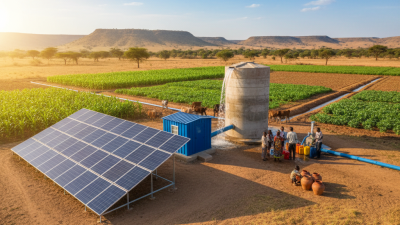



Why Choose a Solar Pump System for Water Supply?
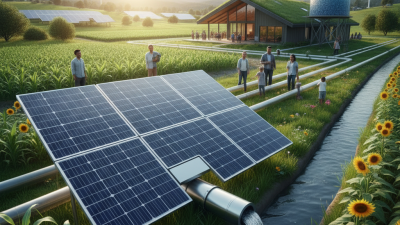
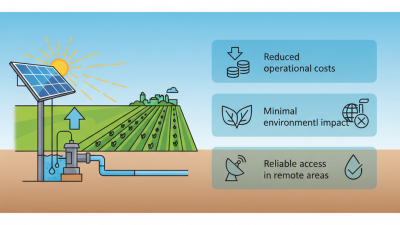
A solar pump system can turn sunlight into a dependable water supply for farms, homes, and remote facilities. It uses photovoltaic panels to power a surface or submersible pump. No diesel delivery is needed. Noisy generators become unnecessary during sunny hours. The water may rise slowly, yet it can fill a storage tank steadily.
A reliable design begins with the site, not the sales brochure. Installers should measure well depth, pipe length, daily demand, and seasonal sunlight. These details determine the pump size and panel capacity. For example, a small farm may need water for livestock, washing, and drip irrigation. A 2,000-liter tank can provide useful backup when clouds appear. Water quality also matters because sand can damage impellers and seals.
Solar pumping is not automatically the cheapest choice. Battery storage adds cost, weight, and replacement planning. A tank often offers simpler backup than batteries, but space and elevation are required. This trade-off deserves honest attention. Weather changes. Wells can decline. Maintenance still matters.
Experienced suppliers should provide performance data, installation guidance, and a clear warranty. They should also explain what happens during cloudy weeks. Local technicians can inspect wiring, filters, valves, and pump output. Basic monitoring helps detect falling flow before crops or households suffer. When properly designed, a solar pump system can reduce operating expenses and improve water access. Its success depends on careful sizing, responsible installation, and realistic expectations—not optimistic promises.
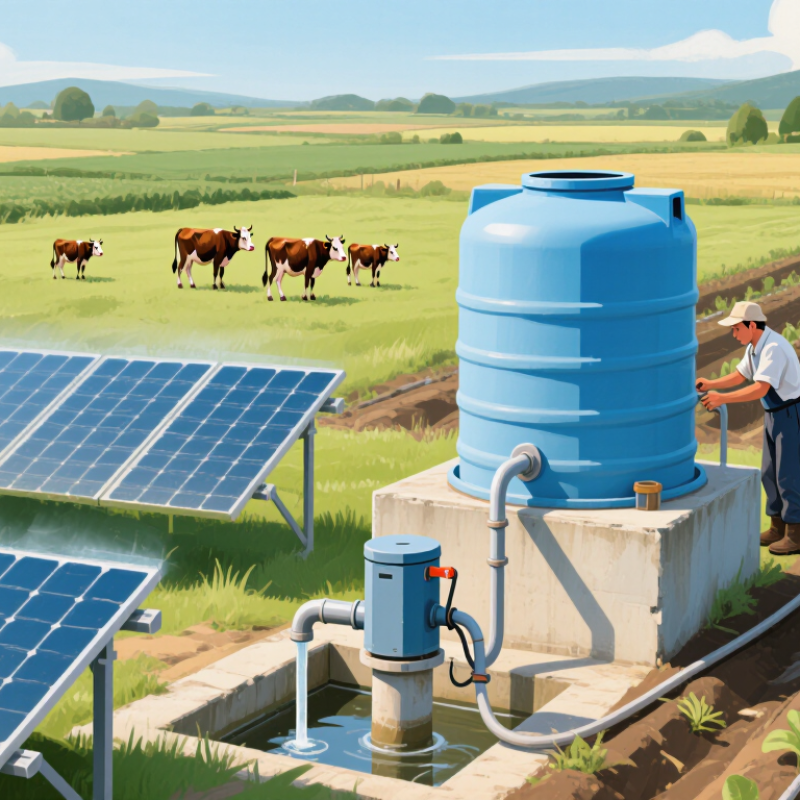
Solar Pump Systems Explained: PV Modules, Pumps, Controllers, and Storage
A solar pump system converts sunlight into a practical water supply for farms, homes, and remote sites. Its main parts work together: PV modules produce electricity, a controller regulates power, and a pump moves water from a borehole, well, or surface source. Storage can mean a water tank or batteries, depending on the site.
PV modules usually deliver the strongest output around midday, while water demand may continue after sunset. A raised tank often stores water more simply than batteries. For example, a 2,000-liter tank can supply evening irrigation without running the pump at night. The controller protects the pump from unstable voltage, dry running, and sudden electrical changes. Correct sizing still matters. A powerful pump may waste energy if the well refills slowly.
Pump selection depends on water depth, pipe length, daily demand, and required pressure. Submersible pumps suit deep wells, while surface pumps can serve shallow sources. In field planning, I check flow rates during different seasons rather than trusting one test. Small changes matter.
Solar systems need clear panels, secure wiring, and regular inspection. Dust can reduce output, especially near unpaved roads. Batteries provide flexible timing, but they add cost, weight, and replacement concerns. A system may look efficient on paper yet underperform during cloudy weeks. It is not magic. Local measurements, realistic demand estimates, and accessible maintenance support make the design more dependable.
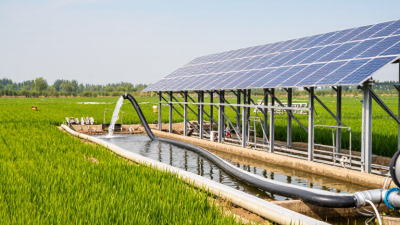
Water-Supply Context: Agriculture Uses About 70% of Global Withdrawals (FAO)
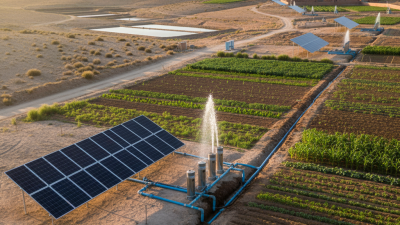
FAO reports that agriculture accounts for about 70% of global freshwater withdrawals. This figure explains why irrigation choices matter beyond individual farms. A solar pump system can lift water from wells, ponds, or storage tanks without relying on diesel deliveries. In remote fields, that difference is practical. A pump can run beside drip lines while sunlight is strongest.
Water demand is not constant. Crops may need frequent irrigation during hot, windy weeks, while cloudy periods reduce solar output. A properly sized system should match the crop calendar, well depth, daily flow, and storage capacity. Field measurements matter more than attractive equipment ratings. For example, a 5,000-liter tank can buffer afternoon pumping and support early-morning irrigation. Yet poor design can waste water just as easily as an inefficient engine.
Solar power reduces fuel handling, noise, and operating emissions. It may also lower long-term pumping costs, although the initial investment, battery needs, and maintenance cannot be ignored. Groundwater extraction remains a serious concern. Cheap energy can encourage excessive pumping if withdrawal limits are unclear. Farmers should monitor water levels, inspect filters, and adjust irrigation after rainfall. The technology is promising, but it is not a substitute for careful water management.
Solar Pump Sizing: Flow, Head, and 4–6 Peak-Sun Hours per Day
A solar pump system can turn strong daylight into a practical water supply for farms, homes, and remote tanks.
Pump sizing starts with flow and total dynamic head. Flow means the water volume needed over a specific period. Head includes vertical lift, pipe friction, and pressure losses. A pump may lift water high, yet deliver too little water at the outlet.
Estimate daily demand in liters, then divide it by useful pumping hours. Design around 4–6 peak-sun hours per day, not the longest summer afternoon. Peak-sun hours are an energy equivalent, not clock hours. Clouds, heat, dust, and seasonal shadows reduce output.
A storage tank can protect supply during low-sun periods. This often works better than forcing the pump to run continuously. Keep a margin for dry months, but avoid oversized equipment and needless costs.
On site, measure the borehole level, tank height, pipe length, and outlet pressure. I have seen systems underperform because installers counted only vertical height. Small pipes can create surprisingly high friction losses.
Check the pump curve at the required flow and head. Confirm that controllers, cables, and protection devices match the system. Some assumptions will be wrong. Recheck them after installation.
A simple flow test with a full tank can reveal more than a spreadsheet alone.
Cost Case: Solar PV LCOE Reached $0.044/kWh in 2023 (IRENA)
Why Choose a Solar Pump System for Water Supply?
The cost case for solar pumping has become more convincing. In 2023, solar photovoltaic electricity reached a global weighted-average LCOE of $0.044/kWh, according to IRENA. This figure reflects utility-scale projects, not every small water system. Still, it shows how falling generation costs can support reliable pumping in sunny regions. A solar pump can lift water during daylight without diesel fuel deliveries or unstable grid prices. For a remote farm, that difference may simplify daily operations.
The details matter. A typical installation needs panels, a pump, pipes, storage, and suitable controls. Water can be pumped into a tank at noon, then used before sunrise. This reduces dependence on batteries, which may add cost and maintenance. Dusty panels can lose output, so cleaning schedules should match local conditions. A correctly sized pump also prevents wasted energy and excessive wear.
The calculation is not perfect. The IRENA benchmark does not include every site expense, such as drilling, filtration, repairs, or seasonal water changes. Poor planning can weaken an attractive payback estimate. Shade, dry wells, and damaged cables create real setbacks. A careful assessment of sunlight, water depth, demand, and local maintenance skills should come before purchasing equipment. Reliability depends on more than a low electricity price.
Why Choose a Solar Pump System for Water Supply? - Cost Case: Solar PV LCOE Reached $0.044/kWh in 2023 (IRENA)
| Cost and Performance Dimension | 2010 | 2023 | Change | Implication for Solar Water Pumping |
|---|---|---|---|---|
| Global weighted-average electricity cost of utility-scale solar PV | $0.460/kWh | $0.044/kWh | Down approximately 90% | Lower electricity-generation cost improves the long-term economics of electric pumping. |
| Solar PV electricity-cost reduction factor | Baseline: 1.00× | Approximately 0.096× of the 2010 level | About 10.5 times lower | Solar pumping can reduce exposure to long-term electricity-price increases, subject to local system costs. |
| Electricity required to lift 1 m³ of water through 10 m | 0.0272 kWh theoretical hydraulic energy | 0.0272 kWh theoretical hydraulic energy | Physical requirement unchanged | The value is calculated from water density, gravity and lifting height; pump and motor losses require additional electricity. |
| Estimated delivered electricity for the same lift at 50% overall efficiency | Approximately 0.0544 kWh/m³ | Approximately 0.0544 kWh/m³ | Depends on equipment efficiency | A practical design must include pump, motor, controller, wiring and hydraulic losses. |
| Illustrative solar-electricity cost for 1,000 m³ pumped through 10 m | About $24.98 at $0.460/kWh | About $2.39 at $0.044/kWh | About $22.59 lower | Illustrative energy-only comparison; it excludes the initial pump, PV array, controls, storage, installation and maintenance. |
| Solar energy source | Solar resource dependent | Solar resource dependent | No fuel combustion during operation | Suitable for off-grid or weak-grid locations, with water storage often used to cover periods without sunlight. |
| Main financial variables for a project | Capital cost, financing and local electricity price | Capital cost, financing, local solar resource and water demand | Project-specific | A complete feasibility study should compare lifecycle cost, replacement intervals, storage needs and maintenance requirements. |
Emissions Advantage: Diesel Emits 2.68 kg CO₂ per Liter (U.S. EPA)
Why Choose a Solar Pump System for Water Supply?
Diesel combustion releases approximately 2.68 kilograms of CO₂ per liter, according to the U.S. Environmental Protection Agency. A small pump consuming 10 liters daily produces about 9.8 tonnes of direct CO₂ emissions over one year. This calculation excludes fuel transport and refining. The real climate impact may therefore be higher.
Solar pumping avoids combustion at the water point. It can operate without daily fuel deliveries, exhaust fumes, or engine idling. The National Renewable Energy Laboratory reports a median lifecycle emission intensity of about 48 grams of CO₂-equivalent per kilowatt-hour for crystalline silicon photovoltaic systems. That includes manufacturing, transport, operation, and disposal. Solar is not emission-free. It is substantially lower-emission across its lifecycle.
Site design still matters. A pump should match borehole depth, daily water demand, seasonal sunlight, and storage capacity. Oversizing panels wastes capital. Undersizing them can leave tanks empty after several cloudy days. Battery storage may improve reliability, but it adds cost, replacement needs, and material impacts. In many rural systems, elevated water storage is simpler than large batteries. Yet this is not universal. Water quality, maintenance skills, and seasonal demand can change the best choice. A careful energy audit should precede equipment selection.
Why Choose a Solar Pump System for Water Supply?
Direct operational CO₂ emissions from an illustrative annual pumping scenario
Assuming a diesel pump consumes 1,000 liters of fuel per year, it produces approximately 2,680 kg of CO₂ annually, based on the U.S. EPA factor of 2.68 kg CO₂ per liter of diesel. A solar pump produces zero direct operational CO₂ emissions during pumping because it does not burn fuel.
Calculation: 1,000 liters × 2.68 kg CO₂/liter = 2,680 kg CO₂. Solar value refers to operational emissions and excludes lifecycle emissions from manufacturing and installation.
Related Posts
-
What Are the Best Solar Pumps from China?
-
2025 Top 5 Solar Pump Systems: Revolutionizing Water Solutions for Sustainable Living
-
Why a Solar Pump System is the Best Choice for Your Water Needs
-
Top 10 Solar Pump Systems You Need to Know About?
-
How to Maximize Efficiency in Your Solar Pump System with Latest Technology Innovations
-
Top 10 Benefits of Solar Pumps for Sustainable Water Solutions

Whether your solution requires a single pumping application or an expansive engineered system,
CheckPoint is committed to becoming your partner in excellence.