

Why Do Global Buyers Choose Treatment Pumps?

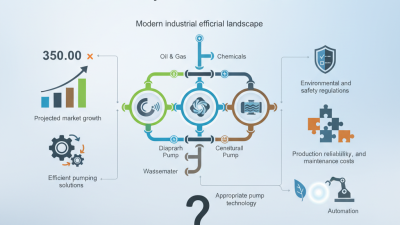
Global buyers choose treatment pumps when water quality, operating continuity, and lifecycle cost become business priorities. The pressure is measurable. The UN World Water Development Report 2024 reports that 2.2 billion people lacked safely managed drinking water in 2022. It also records 3.5 billion people without safely managed sanitation. These gaps require reliable pumping across municipal, industrial, and commercial systems.

Performance matters on the plant floor. A dosing pump must deliver stable chemical volumes, even when pressure changes. A transfer pump must move wastewater without frequent blockage or seal failure. Operators notice small weaknesses first: a leaking connection, a noisy bearing, or a calibration drift during a night shift. The WHO/UNICEF Joint Monitoring Programme 2023 update confirms that water and sanitation infrastructure still faces major global investment challenges. That reality makes efficient treatment pumps more than equipment purchases. They support measurable compliance, safer operations, and predictable maintenance.

However, buyers should question broad supplier claims. “High efficiency” does not guarantee low total cost. Actual results depend on fluid viscosity, duty cycles, installation quality, and operator training. Reports from the International Water Association and Global Water Intelligence emphasize efficiency, resilience, and digital monitoring as important industry directions. Yet technology alone cannot solve poor site planning. Experienced buyers compare material compatibility, flow accuracy, spare-part access, certification, and service response before signing contracts. The best choice is rarely the cheapest pump. It is the pump that keeps working when conditions become inconvenient. That judgment deserves evidence, not marketing language.
Why Do Global Buyers Choose Treatment Pumps?

What Are Treatment Pumps and How Do They Work?

Treatment pumps are mechanical devices that move and dose liquids during water and wastewater treatment. They handle chemicals, sludge, disinfectants, and other process fluids. Their job is not simply to move liquid quickly. It is to deliver a controlled volume at a stable pressure.

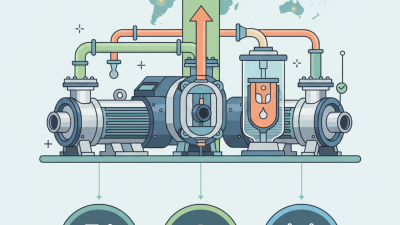
A typical dosing pump uses a diaphragm, piston, or rotating tube. The motor creates repeated movement inside the pump head. This movement draws fluid through an inlet valve and pushes it through an outlet valve. Operators adjust the stroke length, speed, or operating cycle to control flow. Sensors can measure pH, chlorine levels, pressure, or tank volume. A controller then changes the dosing rate when conditions shift.

Small details matter. A technician should check chemical compatibility before selecting seals, tubing, and valves. Viscous liquids may need slower speeds or wider passages. A pump that works well with clean water may struggle with crystals or suspended solids. That is often overlooked. Back pressure, suction lift, temperature, and line length also affect performance. During commissioning, technicians usually calibrate actual output instead of trusting the nameplate rating. A five-minute collection test can reveal an unexpected flow error. It is a simple step, but it is not always performed. Global buyers often prefer treatment pumps because accurate dosing, rugged construction, and serviceable parts can reduce process interruptions across different operating environments.

Why Do Global Buyers Choose Treatment Pumps?

What Are Treatment Pumps and How Do They Work?

Treatment pumps move, dose, or recirculate water, chemicals, and sludge in municipal and industrial water-treatment systems. The chart shows representative upper flow capacities commonly used for different treatment duties. Actual pump selection depends on pressure, fluid properties, temperature, solids content, and required dosing accuracy.

Which Industries and Applications Use Treatment Pumps?

Treatment pumps serve many industries because they control, transfer, and circulate difficult fluids. In municipal wastewater plants, metering pumps add disinfectants and pH-adjustment chemicals. Transfer pumps move sludge through settling and dewatering stages. Operators often monitor flow rates, pressure, and chemical concentration together. Small errors matter. A slight dosing drift can affect water quality and operating costs.

Food and beverage facilities use treatment pumps for wash water, ingredients, and cleaning systems. Their hygienic designs help reduce residue around seals and connections. Agricultural operations use them for irrigation, nutrient dosing, and water filtration. Mining sites may require pumps for abrasive slurry and process water. Chemical processors depend on controlled flow for neutralization, filtration, and liquid transfer. Each setting needs a different pump configuration. Material compatibility remains essential. Temperature and viscosity also change performance.

Experienced maintenance teams inspect seals, valves, tubing, and motor loads on a fixed schedule. They compare actual output with the rated flow instead of trusting specifications alone. Flow meters and calibration records improve reliability. However, pump selection is not always perfect. A unit may handle the fluid but struggle with sudden temperature changes. Installation space can also limit service access. The better question is not, “Which pump is strongest?” It is, “Which pump matches this fluid, duty cycle, and maintenance reality?”

What Features Do Global Buyers Evaluate Before Purchasing?

Global buyers rarely judge a treatment pump by price alone. They examine dosing accuracy, flow stability, pressure tolerance, and chemical compatibility. In field inspections, a pump may face dust, vibration, changing temperatures, or continuous operation. Small leaks can become expensive maintenance problems. The useful question is whether the pump performs reliably under actual site conditions. Not every catalog specification tells that story.

Before purchasing, buyers often request performance curves and test records. These documents should match the intended fluid, flow range, and operating pressure. A clear calibration procedure helps operators verify output without special equipment. Buyers also assess control options, including manual adjustment, automated dosing, alarms, and remote monitoring. Yet advanced controls are not always better. Operators may prefer simple interfaces that work during power interruptions. This point is easy to overlook.

Maintenance also shapes the final decision. Buyers compare diaphragm life, valve design, seal quality, and cleaning access. They check whether spare parts are available locally and whether qualified technicians can service the unit. Safety features deserve close attention. A pressure relief path and leak detection can protect equipment and personnel. Documented compliance with applicable regional requirements adds confidence, but paperwork alone cannot replace testing. Our own early evaluations sometimes focused too much on purchase cost. A short pilot test revealed unstable dosing at low flow. That experience changed our checklist. We now request installation guidance, service records, and realistic operating data before approval.

How Do Treatment Pumps Improve Efficiency, Safety, and Cost Control?

Global buyers choose treatment pumps because reliable fluid movement affects every stage of water and process treatment. A well-sized pump delivers steady flow, accurate dosing, and stable pressure, even when demand changes. Operators can adjust output from a control panel instead of opening valves repeatedly. That saves time. It also reduces uneven chemical distribution and protects downstream equipment. In a busy plant, a clear flow reading can prevent hours of guesswork.

Safety improves when pumps support enclosed transfer and controlled dosing. Sealed connections help limit splashes, fumes, and accidental contact during routine handling. Remote monitoring can flag abnormal pressure, dry running, or rising motor temperature before a small fault becomes an emergency. Still, automation is not a substitute for inspection. Sensors drift. Filters clog. Trained staff must verify readings, inspect seals, and follow site procedures.

Cost control comes from more than the purchase price. Efficient motors can reduce electricity use, while accurate dosing cuts chemical waste and avoids expensive treatment corrections. Spare parts, service access, and cleaning time also shape the real operating cost. A cheaper pump may demand frequent repairs. That lesson is easy to overlook. Buyers should compare lifecycle data, operating conditions, and maintenance records before approval. Local water quality, viscosity, solids, and duty cycles can change the result significantly.

What Factors Influence Installation, Maintenance, and Long-Term Value?

Global buyers choose treatment pumps for more than rated flow and purchase price. Installation conditions often determine whether that choice succeeds. Before installation, engineers should check fluid viscosity, temperature, solids, pressure, and daily operating hours. A pump selected from flow rate alone may struggle in real service.

Site measurements matter. Pipe layout, inlet distance, foundation strength, and electrical compatibility can affect performance. I have seen small alignment errors create vibration, seal wear, and unexpected noise. Leave room around the pump for inspection and removal. That detail is easily missed. Operators also need clear instructions, suitable tools, and training in safe shutdown procedures. Local technical requirements should be reviewed before work begins.

Maintenance strongly influences long-term value. Operators can record pressure, flow, vibration, motor temperature, and unusual sounds during routine checks. These simple records help reveal gradual changes before failure occurs. Seals, bearings, valves, and filters need planned inspection, not only emergency replacement. Spare parts availability also affects downtime, especially at remote sites. A low purchase price may become expensive when service access is poor.

I once assumed a robust pump needed little attention. That assumption was wrong. Even reliable equipment depends on correct settings, clean fluid paths, and consistent maintenance. Energy use deserves attention too. Small efficiency losses can become significant across years of continuous operation. Buyers should compare lifecycle costs, technical support, repair access, and expected service conditions before approving the installation. – 244 words

Whether your solution requires a single pumping application or an expansive engineered system,
CheckPoint is committed to becoming your partner in excellence.