


Why Choose a Solar Pump System for Your Water Needs?

In recent years, the demand for sustainable water solutions has grown. A solar pump system stands out as an eco-friendly option. These systems harness solar energy, providing an effective way to access water in rural or off-grid areas. The advantages of using solar pumps include reduced energy costs and lower environmental impact.

Solar pump systems operate efficiently, pumping water without relying on traditional power sources. This can be especially beneficial in areas with limited electricity. These systems are also versatile, serving various applications. From agricultural irrigation to residential use, they meet diverse needs.

However, challenges exist. Initial installation costs can be high, and performance may vary based on sunlight availability. Regular maintenance is essential to ensure longevity and efficiency. Consideration of local conditions is crucial in making the most of solar technology. A solar pump system can be a wise investment, but careful planning and assessment are necessary.
Why Choose a Solar Pump System for Your Water Needs?

Benefits of Solar Pump Systems for Sustainable Water Supply

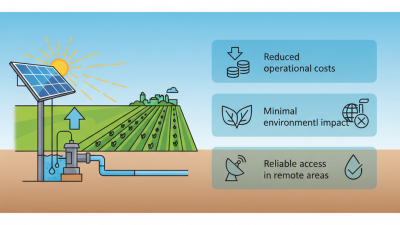
Solar pump systems offer a sustainable and efficient solution for water supply needs. By harnessing solar energy, these systems significantly reduce reliance on fossil fuels. This not only lowers operational costs but also minimizes environmental impact. Solar pumps are particularly beneficial in remote areas where conventional power sources are limited. They ensure a reliable water supply for agriculture, livestock, and domestic use.

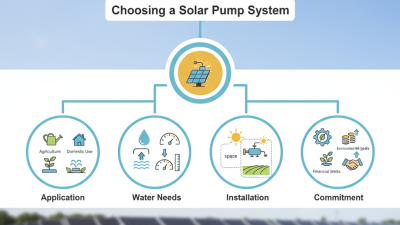
When considering solar pump systems, think about your specific water needs. Evaluate the amount of water you require. Consider the location of your water source. Proper planning and assessment will optimize your system's performance.

It's important to note that installation can be complex. A professional assessment may be necessary to ensure you choose the right components. Regular maintenance is essential for longevity. Occasionally, these systems may experience downtime due to weather or mechanical issues. Being aware of these factors allows for better preparedness. Always keep a backup solution in mind.
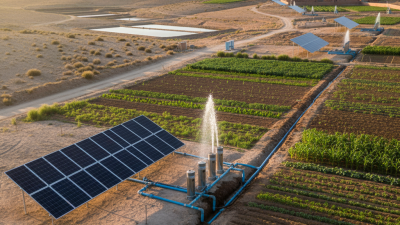
How Solar Pump Systems Work: The Technology Behind the Efficiency

Solar pump systems harness renewable energy, making them an effective choice for water needs. They utilize photovoltaic (PV) technology to convert sunlight into electricity. This process powers the pumps, reducing reliance on fossil fuels. According to the International Renewable Energy Agency (IRENA), global solar capacity reached 813 GW in 2020. This growth supports the shift towards sustainable water management.

The efficiency of solar pump systems lies in their technology. Most systems employ a combination of solar panels, controllers, and pumps. Solar panels generate electricity during daylight, while controllers manage the power flow. The pumps convert this energy into water movement. Reports indicate that these systems can operate at up to 90% efficiency, significantly reducing operational costs. However, challenges remain, such as energy production variability depending on weather conditions. This aspect requires careful planning and potential backup solutions.

Adopting solar pump systems can lead to significant water savings. By 2030, it is expected that solar-powered solutions will provide water access to over 100 million people globally. The transition reflects a commitment to sustainability but comes with considerations regarding installation and maintenance. As this technology evolves, ongoing evaluation and adaptation will be crucial to optimize its benefits.

Cost-Effectiveness: Analyzing Initial Investment vs. Long-Term Savings

Choosing a solar pump system can offer significant cost-effectiveness. Solar pumps reduce dependence on electricity, which can lower utility costs. According to the U.S. Department of Energy, solar energy can save users up to 50-70% on energy bills over time. While the initial investment may seem high, the long-term savings from reduced energy costs often merit consideration.

In addition, installation costs for solar pumps have fallen dramatically, by as much as 30% in recent years. A report from the National Renewable Energy Laboratory indicates that many systems pay for themselves within 5-7 years. This financial benefit is enhanced by potential maintenance savings, as solar pumps generally require less upkeep than traditional pumping systems. Seasonal variations in water needs must also be factored in. During dry periods, solar systems can provide reliable water despite fluctuating local utility rates. This adaptability can become a vital asset.

However, choosing the right system requires careful evaluation. Factors like location, water requirements, and system size will influence cost and savings. Investors must also consider long-term durability. While solar pumps have proven reliable, performance can vary with environmental conditions. Users should weigh these aspects against their unique needs to make an informed decision.

Environmental Impact: Reducing Carbon Footprint with Solar Solutions

Solar pump systems provide a sustainable alternative for meeting water requirements. They harness the power of sunlight, which is an abundant resource. This means you can significantly reduce reliance on fossil fuels. Utilizing solar energy helps decrease greenhouse gas emissions. Each solar pump installed contributes to a cleaner, healthier environment.

The impact on carbon footprint is noteworthy. Traditional pumps often operate using electricity generated from non-renewable sources. This contributes to air pollution and climate change. By switching to solar, you support renewable resources. Communities can thrive while protecting the planet. Solar pumps can also lower operational costs over time. While the initial investment may be higher, the long-term savings are significant.

However, there are challenges. Not every location has ideal sunlight conditions year-round. This can affect the efficiency of a solar system. It’s essential to assess your unique needs and site conditions. Potential users should conduct thorough research. Engaging with experienced professionals will inform better decisions. Moving towards solar pump systems is a step worth considering, despite some uncertainties.

Applications of Solar Pump Systems in Agriculture and Domestic Use

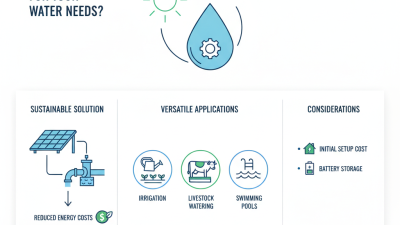
Solar pump systems are transforming agriculture and domestic water use. In farming, they provide reliable irrigation. For remote areas, they offer a sustainable water source, reducing dependency on grid power. Farmers can optimize crop yields without the worry of rising energy costs.

In domestic applications, solar pumps are ideal for households in rural areas. They can efficiently supply water for drinking and bathing. The simplicity of installation is appealing. However, initial costs can be a barrier. Some might worry about the long-term performance in cloudy weather.

Users should evaluate their specific needs. Understanding local geographic conditions is important. Solar pumps may not suit every situation, particularly in regions with limited sunlight. Regular maintenance is necessary for optimal performance. Balancing the initial investment with future savings can lead to better decisions.

Whether your solution requires a single pumping application or an expansive engineered system,
CheckPoint is committed to becoming your partner in excellence.