

Top Electric Chemical Pump Tips for Efficient Sourcing?
In today's industrial landscape, sourcing the right electric chemical pump is crucial for operational efficiency. These pumps play a key role in transporting chemicals with precision. Understanding their specifications is vital when selecting the best option for your needs.
Reliable sourcing involves evaluating the performance and longevity of electric chemical pumps. Many businesses overlook the impacts of quality on overall productivity. It is essential to balance cost with performance to avoid future setbacks. A poorly chosen pump can lead to operational disruptions and increased maintenance costs.
Furthermore, industry experts recommend seeking suppliers with a solid reputation. Reliable suppliers can provide not only quality products but also valuable support throughout your purchase. This ensures that your electric chemical pump meets safety standards and performs optimally. Thoughtful sourcing can lead to improved efficiency and reduced risk in chemical handling processes.
Understanding Electric Chemical Pumps and Their Applications
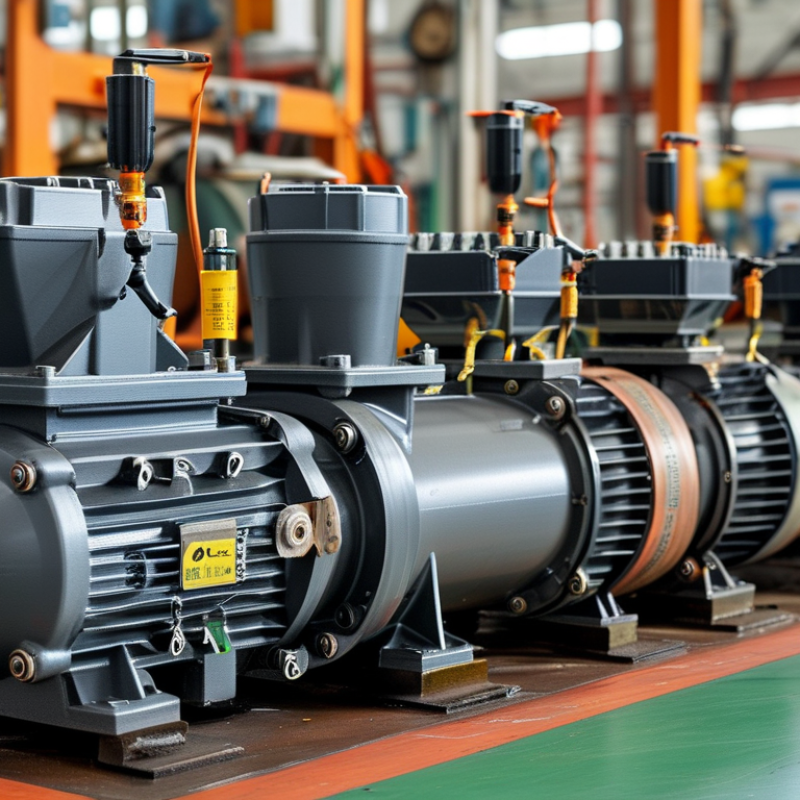
Electric chemical pumps play a crucial role in various sectors, including chemical processing, wastewater treatment, and pharmaceuticals. These pumps handle aggressive media and ensure precise dosing. The global market for electric chemical pumps is projected to reach $30 billion by 2026, reflecting a growing demand driven by industrial applications. Proper understanding of their functionality can streamline operations and improve productivity.
Electric chemical pumps work by converting electrical energy into mechanical energy. They utilize electromagnetic forces to move fluids, which allows for enhanced control over flow rates. An analysis by industry experts indicates that these pumps can improve operational efficiency by nearly 25% compared to traditional mechanical pumps. However, some users encounter issues with compatibility and maintenance, highlighting the need for careful selection and routine checks.
In many cases, electric chemical pumps’ complexity can become a drawback. Factors such as power supply and environmental conditions can complicate their installation. Misalignment in specifications may lead to premature wear or inefficiency. Understanding the application requirements is critical to avoid costly errors. Attention to detail in sourcing can mitigate these risks and enhance overall system reliability.
Key Factors to Consider When Sourcing Electric Chemical Pumps
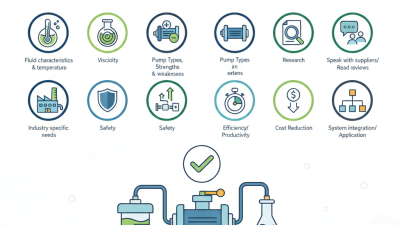
When sourcing electric chemical pumps, consider key factors that can significantly impact efficiency. Efficiency is critical in this sector, given that the global chemical pump market is projected to reach $13.5 billion by 2026, according to a recent market analysis. Factors such as fluid characteristics, temperature ranges, and material compatibility must be assessed thoroughly. These variables affect not just performance but also maintenance needs and operational costs.
Understanding the specific requirements of your application is indispensable. For instance, pumps used in corrosive environments require special materials to prevent premature failure. The selection process can be complex, and a minor oversight could lead to costly downtime. It is essential to focus on the pump design, as not all pumps are created equal for different chemical types.
Consider looking into suppliers that provide extensive technical documentation and support. A supplier's expertise can directly affect the reliability and longevity of the pump. Investigating case studies or customer testimonials can also provide insights into real-world performance. Addressing these considerations with diligence can lead to more effective sourcing strategies and improved operational efficiency.
Top Electric Chemical Pump Tips for Efficient Sourcing
This chart illustrates key factors to consider when sourcing electric chemical pumps, including flow rate, power consumption, maintenance frequency, cost, and durability. Optimizing these metrics can lead to more efficient sourcing decisions.
Evaluating Efficiency: Performance Metrics for Electric Chemical Pumps
When evaluating electric chemical pumps, efficiency is key. Performance metrics play a crucial role in sourcing the right equipment. Key metrics include flow rate, pressure capacity, and energy consumption. According to a recent industry report, properly designed electric chemical pumps can achieve efficiencies exceeding 90%. However, not all units meet this standard. Misalignment during installation often leads to significant losses in performance.
Monitoring energy consumption is also vital. Studies indicate that energy costs can represent up to 70% of the total operational costs of a pump over its lifespan. Using variable speed drives can help optimize energy usage and reduce costs. The American Chemical Society highlights the need for regular maintenance to ensure pumps operate at peak efficiency. Neglect can lead to decreased performance, raising questions about operational reliability.
Lastly, considering materials of construction is essential. Different chemicals can corrode certain materials, impacting pump longevity. A report from the International Society for Automation notes that compatibility issues can degrade efficiency by up to 30%. Therefore, manufacturers must evaluate material choices carefully to enhance performance and lifespan. This diligence can lead to significant cost savings and operational effectiveness.
Cost Analysis: Budgeting for Electric Chemical Pump Procurement
When budgeting for electric chemical pump procurement, understanding the total cost is crucial. Initial costs often leave out hidden expenses. Consider installation fees and maintenance needs. These can significantly affect your budget over time. Create a detailed list of potential costs. This approach will help you see the bigger picture.
It’s essential to assess the long-term value. Cheaper products may lead to higher operational costs. Look for efficiency metrics provided by manufacturers. This information can guide your choices. Explore warranties and service agreements as well. A robust support system is invaluable.
Investing time in research pays off. Review previous procurement decisions and their outcomes. Reflect on what worked and what didn’t. Be cautious of focusing too much on upfront savings. Sometimes, higher-quality pumps save more money in the long run. Evaluate all options to find the best fit for your needs.
Top Electric Chemical Pump Tips for Efficient Sourcing
| Parameter | Description | Cost Range ($) | Key Considerations |
|---|---|---|---|
| Flow Rate | Volume of fluid pumped per unit time | 1,000 - 10,000 | Higher rates may need larger pumps |
| Voltage | Power supply specifications | 300 - 1,500 | Ensure compatibility with existing systems |
| Material | Construction material of the pump | 500 - 3,000 | Choose based on chemical compatibility |
| Maintenance Frequency | How often the pump needs servicing | 100 - 500 | Calculate total cost of ownership |
| Warranty Period | Duration of manufacturer's warranty | 0 - 300 | Evaluate support and repair options |
Sustainability Practices in Electric Chemical Pump Sourcing
Sustainable sourcing of electric chemical pumps requires a careful evaluation of materials and processes. Choosing components that are environmentally friendly can significantly reduce the overall impact. For example, selecting pumps made from recyclable materials supports a circular economy. Manufacturers who prioritize green practices tend to reduce waste and energy consumption. These decisions are crucial, especially as industries move towards sustainability.
While many companies claim sustainable practices, the reality can be more complex. It's important to verify their claims through third-party certifications. Engaging with suppliers who are transparent about their sourcing and manufacturing practices is vital. Not all suppliers may have the same commitment to sustainability, leading to potential misalignment in business values. This reflection can help businesses make informed decisions that align with their environmental goals.
It's essential to consider the entire life cycle of a product. From raw material extraction to manufacturing and disposal, each stage can have an impact. A pump that seems economical initially may end up being costlier when maintenance and environmental impact are factored in. Balancing cost, efficiency, and sustainability can be challenging. It requires ongoing assessment and a willingness to adapt strategies as new information becomes available.
Related Posts
-
How to Choose the Best Chemical Diaphragm Pump in 2026?
-
Maximizing Efficiency in Industrial Processes with Advanced Electric Chemical Injection Pumps
-
10 Essential Tips for Choosing a Chemical Metering Pump
-
7 Essential Tips for Choosing the Right Chemical Diaphragm Pump
-
Unlocking the Secrets of Liquid Pumps and Their Impact on Modern Technology
-
How to Choose the Right Chemical Metering Pump for Your Needs?

Whether your solution requires a single pumping application or an expansive engineered system,
CheckPoint is committed to becoming your partner in excellence.