

Top 10 Pump Rentals for Construction Projects Worldwide

Construction projects rarely fail because a pump is unavailable. They struggle when the selected pump cannot handle changing site conditions. That difference makes pump rentals a practical decision, not merely a purchasing shortcut.

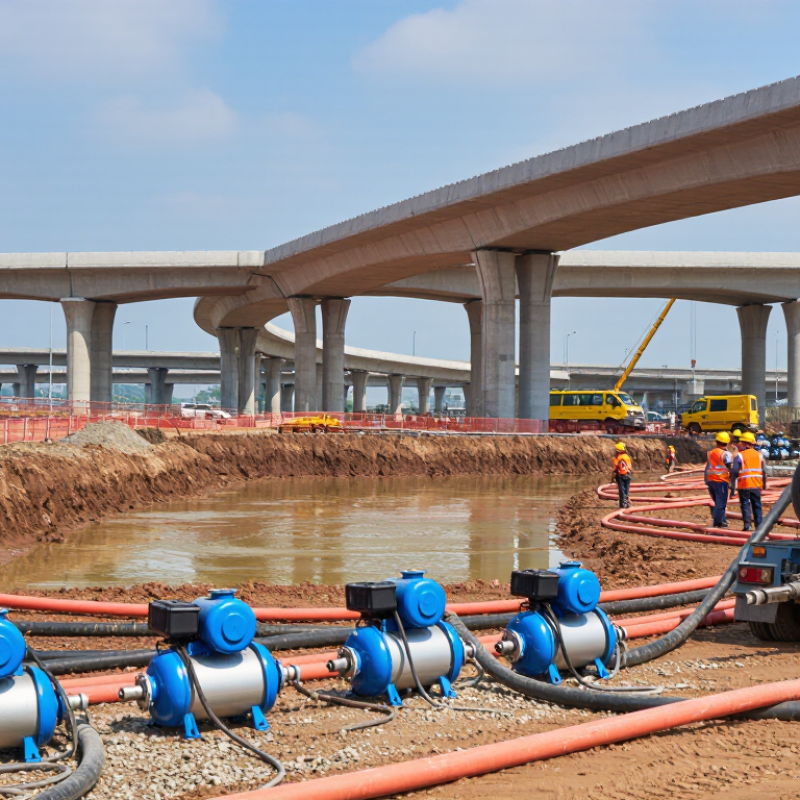
This guide examines ten leading pump rental options used across construction markets worldwide. It considers flow capacity, head pressure, fuel consumption, transport, maintenance, and emergency support. These details matter beside a flooded excavation, beneath a highway project, or inside a basement with limited access. A compact electric pump may suit a quiet urban site. A diesel-driven trash pump may perform better where muddy water carries gravel and debris. The cheapest daily rate can become expensive when hoses leak or technicians arrive late.

Michael Kneeland, former United Rentals chief executive, captured the rental principle clearly: “Rental value depends on uptime, service, and trust.” That sentence remains useful, although it does not answer every project’s needs. Local climate, soil conditions, discharge rules, and operator experience can change the decision. We should admit one uncomfortable point: global rankings often simplify regional realities. A respected supplier in North America may offer limited coverage elsewhere.

The companies featured here are assessed through practical service factors, not advertising claims alone. Their equipment range, maintenance standards, delivery capability, and response procedures deserve close attention. Project managers should still verify specifications with qualified professionals before signing an agreement. Good planning prevents avoidable delays. Better questions produce better pump rentals.
Top 10 Pump Rentals for Construction Projects Worldwide

Pump Rental Basics for Global Construction Projects

Top 10 Pump Rentals for Construction Projects Worldwide

Pump Rental Basics for Global Construction Projects

Pump rental begins with the site, not the catalog. Identify flow, total head, solids, power, access, and discharge distance. A drainage pump may suit clear water but fail in clay-heavy excavation water. Slurry pumps handle abrasive particles, while wellpoint systems lower groundwater around foundations. Check the performance curve at the expected operating point. Nominal capacity can mislead.

Rental demand reflects broader construction pressures. The American Rental Association’s 2024 Rentalytics forecast estimated U.S. equipment-rental revenue at about $68.7 billion. This suggests mature rental practices, but availability varies by country. The UNEP 2024 Global Status Report states that buildings consumed 32% of global energy and produced 34% of global carbon emissions. Electric pumps may reduce local emissions, yet site power can be unreliable. Diesel units still offer flexibility, but fuel storage, noise, and ventilation require careful planning.

Tips: Request recent service records and a written duty-point confirmation. Inspect hoses, couplings, strainers, float switches, and check valves before delivery. Ask about spare parts and response time across borders. ISO 9906 performance testing can support more reliable pump data. Measure the actual water level daily; assumptions often become expensive. A slightly oversized pump is not automatically safer. It may cycle excessively, waste energy, or damage temporary pipework. Site conditions change quickly, and rental plans sometimes need revision.
Key Criteria for Comparing Pump Rental Providers

Top 10 Pump Rentals for Construction Projects Worldwide

Comparing the top ten pump rental providers requires more than checking daily rates. Match each pump to the site’s actual flow, head pressure, solids content, and operating hours. A unit that moves 500 cubic meters daily may fail under abrasive slurry. Ask for verified performance charts, recent inspection records, and maintenance histories. Confirm whether the pump suits confined spaces, uneven ground, or changing weather.

Reliable providers explain their limits clearly. Evaluate fleet age, availability of replacement units, delivery timing, and emergency response. Ask who handles installation and whether trained technicians remain reachable after commissioning. Transparent pricing should separate transport, hoses, fuel, setup, cleaning, and overtime charges. Request references from projects with similar soil, depth, and discharge distances. Vague answers deserve caution.

On site, inspect couplings, seals, control panels, and discharge hoses before signing acceptance documents. A short flow test can reveal pressure loss or unstable priming. Check noise limits, spill controls, electrical protection, and operator training records. Contracts should define inspection intervals, breakdown responsibilities, cancellation terms, and response times. My own comparisons often miss hose wear because the pump receives more attention. That mistake can delay excavation just as quickly as mechanical failure.

Top 10 Pump Rental Companies by Regional Coverage

Top 10 Pump Rentals for Construction Projects Worldwide

Top 10 Pump Rental Companies by Regional Coverage

Regional coverage matters more than fleet size during urgent construction work. A nearby depot can deliver a dewatering pump before a foundation pit fills. The Global Construction Equipment Rental Market report by Grand View Research valued the sector at over USD 110 billion in 2022. It also forecasts steady growth through 2030. This trend supports wider pump availability across North America, Europe, Asia-Pacific, Latin America, and the Middle East.

A practical top-ten ranking should measure depot access, pump variety, cross-border logistics, and local technical support. Coverage must include centrifugal, submersible, trash, and bypass pumps. The International Rental Association reports that European rental activity continues expanding, while the American Rental Association forecasts US equipment rental revenue above USD 78 billion for 2024. These figures show strong rental demand, but regional service quality still varies. A map can mislead. One remote depot may not equal reliable coverage.

Tips: Check the nearest service point before signing. Ask about standby pumps, hose lengths, fuel systems, and response times. Request inspection records and capacity curves. Match flow rate and head pressure to the site plan. I have seen projects lose hours because a pump arrived quickly, but lacked the correct discharge connection. Availability is useful. Fit is essential.

Top 10 Pump Rentals for Construction Projects Worldwide - Top 10 Pump Rental Companies by Regional Coverage

Rank Anonymized Provider Profile Primary Regional Coverage Approx. Countries Served Common Rental Pump Types Typical Flow Range Typical Head Range Best-Fit Construction Applications Regional Coverage Rating
1 Global Network Profile A North America, Europe, Asia-Pacific, Middle East and selected African markets 50+ Submersible, centrifugal, self-priming, diesel-driven bypass pumps 25–12,000 m³/h 10–160 m Dewatering, tunneling, flood control, foundation work and bypass systems Very High
2 Multi-Region Profile B Europe, North America and Australia 30+ Electric submersible, hydraulic, diesel and high-head centrifugal pumps 20–10,000 m³/h 8–180 m Basement excavation, utility works, mining-related construction and emergency drainage Very High
3 European Coverage Profile C Western, Northern, Central and Southern Europe 25+ Submersible drainage, sludge, wellpoint and positive-displacement pumps 15–8,000 m³/h 10–150 m Road and rail construction, flood protection, dewatering and wastewater bypass High
4 North American Coverage Profile D United States, Canada and selected Caribbean markets 10+ Trash pumps, diaphragm pumps, wellpoint systems and large diesel pumps 20–11,000 m³/h 8–170 m Stormwater management, bridge construction, sewer bypass and site preparation High
5 Asia-Pacific Coverage Profile E Australia, New Zealand, Southeast Asia and selected East Asian markets 15+ Submersible, centrifugal, diesel-driven and corrosion-resistant pumps 20–9,000 m³/h 10–155 m Port construction, metro projects, tropical drainage and infrastructure development High
6 Middle East Coverage Profile F Gulf states, Levant and selected North African markets 12+ High-head centrifugal, diesel, submersible and abrasive-duty pumps 25–10,000 m³/h 15–200 m Deep excavation, desalination works, utilities, pipeline construction and dust-control systems High
7 Latin America Coverage Profile G Mexico, Central America and South America 15+ Diesel trash pumps, submersible pumps, slurry pumps and bypass systems 15–7,500 m³/h 8–140 m Hydroelectric works, mining infrastructure, highways, drainage and municipal construction Medium-High
8 African Coverage Profile H Southern, East and West Africa 10+ Diesel-driven dewatering, slurry, submersible and high-volume pumps 20–8,000 m³/h 10–160 m Mining construction, dams, roads, irrigation, flood response and water infrastructure Medium-High
9 South Asian Coverage Profile I India, Pakistan, Bangladesh and Sri Lanka 6+ Submersible, centrifugal, concrete-plant and construction dewatering pumps 10–6,000 m³/h 8–130 m Metro construction, urban drainage, foundations, irrigation and industrial civil works Medium
10 Eastern European and Central Asian Coverage Profile J Eastern Europe, the Balkans and selected Central Asian markets 10+ Submersible, centrifugal, slurry and diesel-driven drainage pumps 15–7,000 m³/h 10–150 m Transport infrastructure, wastewater projects, site drainage and industrial construction Medium

Note: Company names are intentionally omitted. Country coverage, flow rates and head ranges are representative market ranges for rental fleets and may vary by branch, equipment configuration, project duration and local availability.

Pump Types, Applications, and Rental Service Options

Top 10 Pump Rentals for Construction Projects Worldwide

Pump selection depends on water depth, solids, discharge distance, and required flow.

Common rental choices include submersible, centrifugal, trash, diaphragm, slurry, high-head, wellpoint, vacuum-assisted, chemical-transfer, and concrete pumps.

Submersible pumps suit flooded excavations, while trash pumps handle muddy water with stones and debris. Slurry pumps are better for dense sediment.

Concrete pumps support tall pours and restricted sites.

The American Rental Association reported that United States equipment-rental revenue was forecast to exceed 60 billion dollars in 2025. This growth reflects stronger demand for flexible site equipment, including temporary pumping systems.

Rental services usually offer delivery, setup, hoses, generators, standby units, fuel planning, and emergency replacement.

Ask for flow testing before accepting the equipment. A large pump can waste fuel if the pipe is narrow or too long.

The U.S. Army Corps of Engineers recommends checking total dynamic head, friction loss, and duty conditions before selecting a pump.

Operators should also confirm noise limits, electrical capacity,

lifting points, and discharge permits.

In my field experience, contractors often focus on horsepower first.

That is a mistake. The correct flow rate matters more. Still, published flow figures can be optimistic. Actual performance falls when hoses kink, filters clog, or water carries unexpected grit.

A written rental plan should record inspection times, backup capacity, and responsibility for wear.

Safety, Contracts, Costs, and Equipment Delivery Considerations

Top 10 Pump Rentals for Construction Projects Worldwide

Choosing among ten pump rental options requires more than comparing daily rates. A site survey should confirm water depth, flow volume, discharge distance, and available power. Soil conditions may also affect the pump’s performance. A pump suitable for shallow drainage may fail during deep excavation.

Safety starts with trained operators, stable hoses, secure electrical connections, and clear emergency procedures. Inspect guards, cables, couplings, and lifting points before operation. Keep workers away from intake zones and moving equipment. Do not guess. Small oversights can cause serious delays or injuries.

A written contract should specify pump capacity, rental dates, delivery duties, maintenance responsibilities, insurance requirements, and damage terms. Confirm whether fuel, filters, standby equipment, and overtime charges are included. Photographs taken at delivery can prevent disagreements later. I once underestimated hose length on a crowded site; the extra transport cost was avoidable. That mistake still influences my planning.

Evaluate the total cost, not only the advertised rental price. Include transportation, setup, energy use, operator time, cleaning, and possible extension fees. Delivery vehicles need safe access, turning space, and suitable ground conditions. Confirm arrival times in writing, especially before concrete work or heavy rain. A delayed pump can stop several crews at once. Weather forecasts help, but they are not guarantees. Leave a practical contingency. Even experienced planners sometimes need it.

Whether your solution requires a single pumping application or an expansive engineered system,
CheckPoint is committed to becoming your partner in excellence.