

What Are the Top Chemical Diaphragm Pump Types in 2026?
Choosing the right chemical diaphragm pump in 2026 requires more than comparing flow rates. Engineers must examine chemical compatibility, discharge pressure, temperature, viscosity, and duty cycle. A pump handling sodium hypochlorite may need different materials from one transferring sulfuric acid. Small details matter.
This guide reviews leading chemical diaphragm pump types, including air-operated double-diaphragm, mechanically actuated, solenoid-driven metering, and hydraulically driven designs. Each type offers practical advantages. Air-operated models suit harsh environments and variable flow demands. Solenoid pumps support accurate dosing at water-treatment skids. Mechanically actuated units often provide stable performance for continuous chemical injection. Material choices, such as PTFE, PVDF, polypropylene, and stainless steel, also influence service life.
Reliable selection depends on verified data, not attractive catalog claims. Manufacturer curves, wetted-part specifications, and maintenance records should be checked together. A field technician may notice pulsation, seal wear, or air-line moisture before a spreadsheet reveals trouble. No pump wins every test. A clean comparison can still miss installation mistakes or changing chemical concentration. That weakness deserves attention. The best 2026 choice balances accuracy, safety, energy use, repair access, and total operating cost. This overview offers a practical framework for comparing pump technologies and identifying where each design performs reliably.
Chemical Diaphragm Pumps: Definition, Purpose, and Operating Principles
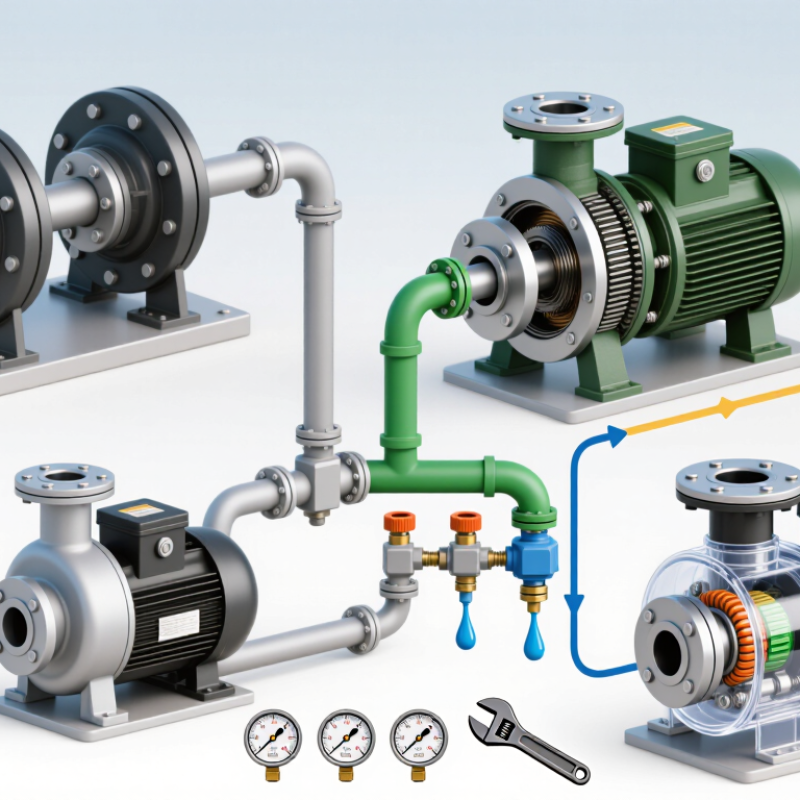
Chemical diaphragm pumps are positive-displacement machines designed to move corrosive, abrasive, or sensitive fluids without exposing mechanical parts to the liquid. A flexible diaphragm moves back and forth inside a sealed chamber. Check valves control the flow direction. The liquid enters during the suction stroke and leaves during the discharge stroke.
The main types include air-operated double-diaphragm pumps, mechanically actuated pumps, and hydraulically actuated pumps. Air-operated models suit intermittent transfer and hazardous areas because compressed air powers the motion. Mechanically actuated designs provide steady metering for dosing systems. Hydraulically actuated versions handle higher pressures and demanding chemical processes.
According to the U.S. Department of Energy’s Pumping System Sourcebook, pumping systems can consume 25–50% of industrial electricity in some facilities. Efficient control matters.
Material selection is equally important. PTFE, EPDM, and elastomer diaphragms behave differently under heat, solvents, and oxidizing chemicals. A pump may appear correctly sized yet fail early because the diaphragm material was chosen from a generic compatibility chart. That is a real weakness in many specifications. Engineers should verify temperature, concentration, viscosity, flow rate, pressure, and pulsation requirements. The 2024 Global Chemical Industry Outlook from Deloitte also highlights continuing pressure to reduce energy use and improve process reliability. In practice, the best pump is not always the largest one. It is the one that maintains controlled flow with fewer maintenance interruptions.
Key Design Features That Determine Pump Performance in 2026
Chemical diaphragm pumps in 2026 are judged by more than flow rate.
Their internal design decides whether performance remains stable during real chemical processing. Air-operated double-diaphragm pumps suit variable flow and harsh environments. Electrically driven diaphragm pumps offer tighter metering and lower air consumption. Solenoid models support compact dosing systems, but their stroke limits require careful sizing.
Diaphragm material is critical. PTFE resists many aggressive chemicals, while elastomers may provide better flexibility and sealing. Compatibility must be checked against concentration, temperature, and cleaning chemicals. A small mismatch can cause swelling, cracking, or hidden leakage. Valve geometry also affects accuracy. Ball valves handle suspended particles well, while precision valves improve repeatability in clean dosing applications.
Pressure control deserves equal attention.
A built-in relief path can protect the diaphragm during blocked discharge conditions. Variable-frequency drives or electronic stroke controls can reduce pulsation and energy use. Sensors for pressure, leakage, and diaphragm position add useful warning signals. They are not magic solutions. Poor calibration still creates bad data. In plant maintenance, accessible covers and replaceable wetted parts often save more time than advanced software. Designers sometimes overvalue maximum capacity and undervalue low-flow stability. That choice can leave a pump oversized, noisy, and difficult to control.
Leading Chemical Diaphragm Pump Types and Their Best Applications
Chemical diaphragm pumps remain a practical choice for transferring aggressive fluids in 2026. Their sealed design protects the liquid from contamination and limits leakage around the drive mechanism. However, the best pump depends on viscosity, pressure, temperature, and chemical compatibility.
Air-operated double diaphragm pumps suit drum emptying, wastewater dosing, and intermittent transfer. They tolerate dry running and solids better than many electric designs. Their main weakness is compressed-air consumption. Electric motor-driven diaphragm pumps provide steadier flow for continuous metering. They work well in water treatment, chemical blending, and controlled injection systems. Flow accuracy improves when operators calibrate the stroke length and monitor discharge pressure.
Hydraulically actuated diaphragm pumps support high-pressure dosing in industrial treatment and process systems. They are valuable when accurate delivery must continue for long operating periods. Solenoid diaphragm pumps fit compact dosing panels, especially for pH correction and disinfectant control. They need clean feed lines and careful valve inspection. Small leaks matter.
Material selection requires practical testing, not only a compatibility chart. A fluid may attack elastomers slowly, even when the casing appears suitable. I have seen maintenance teams overlook temperature changes during cleaning cycles. That mistake shortened diaphragm life. Operators should check chemical concentration, suction lift, pulsation, and replacement-part availability before installation. No selection is perfect. A slightly oversized pump may reduce daily strain, but it can make low-flow control less stable. Routine inspection remains essential.
How to Compare Materials, Flow Rates, Pressure, and Chemical Compatibility
Chemical diaphragm pumps in 2026 are not chosen by flow rate alone. Air-operated double-diaphragm pumps suit variable-duty transfer, while electrically driven diaphragm pumps offer steadier dosing. Mechanically actuated models can provide accurate metering at lower flow rates. The right type depends on the process, not the catalogue label.
Material selection starts with the liquid and its temperature. PTFE handles many aggressive acids, solvents, and oxidizers, but it may need support at higher pressure. EPDM often performs well with water-based chemicals, while elastomers such as FKM suit selected oils and solvents.
Check the diaphragm, valves, seals, and wetted housing together. One resistant component cannot protect a weak seal.
Flow must match the real operating range. A pump rated at 50 liters per minute may deliver less through narrow tubing, a clogged filter, or a high-viscosity liquid. Pressure ratings also need a safety margin. Compare maximum discharge pressure with the system’s startup pressure, not only its normal reading. Ask for test data using a similar fluid. Water results can mislead.
Chemical compatibility charts are useful, but they are not final proof. Concentration, temperature, exposure time, and abrasion can change performance. I have seen material choices fail because operators compared chemical names without checking temperature. That mistake is easy to repeat. Review maintenance access, pulsation, noise, and spare-part availability before purchase.
A slower pump may prove more reliable when the process demands gentle handling.
Selection Criteria for Choosing the Right Chemical Diaphragm Pump
What Are the Top Chemical Diaphragm Pump Types in 2026?
Selection Criteria for Choosing the Right Chemical Diaphragm Pump
The leading options include air-operated double diaphragm, electric-drive, and solenoid metering pumps. Each type suits a different operating reality. Air-operated models tolerate dry running and suspended particles, making them useful for transfer duties. Electric-drive pumps usually offer steadier flow and lower energy use. Solenoid metering pumps provide accurate dosing at smaller flow rates.
Start with chemical compatibility. Confirm the diaphragm, valve seats, housing, and seals against the actual chemical, concentration, temperature, and exposure time. PTFE handles many aggressive fluids, but it is not automatically the best choice. Viscosity, abrasive particles, suction lift, discharge pressure, and required flow must also be measured. A pump that performs well during a short test may struggle after months of cycling.
Tips: Request a compatibility chart and verify it with the fluid supplier. Ask for tested flow curves, not only catalog estimates. Check whether compressed air quality, electrical protection, and pulsation control match the installation. Keep spare diaphragms available. Small delays can stop a whole dosing line. Do not ignore noise or vibration.
A common mistake is selecting by maximum pressure alone. Real performance depends on pipe length, fittings, temperature, and maintenance quality. I would also challenge overly precise claims when site data is incomplete. No selection is perfect. A controlled trial, documented inspection points, and clear replacement intervals usually produce a more reliable decision.
What Are the Top Chemical Diaphragm Pump Types in 2026? - Selection Criteria for Choosing the Right Chemical Diaphragm Pump
| Pump Type | Operating Principle | Typical Flow Range | Typical Pressure Capability | Chemical Compatibility | Key Advantages | Main Limitations | Best-Fit Applications | Selection Priority |
|---|---|---|---|---|---|---|---|---|
| Air-Operated Double-Diaphragm Pump | Compressed air alternately moves two flexible diaphragms through an air-distribution system. | Approximately 0.1–1,000 L/min, depending on size and configuration | Commonly up to about 8 bar; some designs support higher pressures | Broad compatibility when the wetted body, diaphragm, and valve materials are correctly selected. Common wetted materials include polypropylene, PVDF, PTFE, stainless steel, and alloy materials. |
|
|
Chemical transfer, wastewater treatment, drum unloading, filtration systems, slurry handling, and intermittent process duties | ★★★★★ Flexibility |
| Mechanical Diaphragm Metering Pump | A motor-driven mechanism moves the diaphragm through a fixed stroke and adjustable stroke rate. | Approximately 0.001–500 L/h, depending on design | Commonly up to about 10–20 bar, with model-specific limits | Excellent compatibility when the diaphragm and liquid-end materials match the chemical. PTFE is frequently used for aggressive chemical service. |
|
|
pH adjustment, disinfectant dosing, boiler-water treatment, cooling-water treatment, and chemical injection into pressurized lines | ★★★★★ Dosing accuracy |
| Hydraulically Actuated Diaphragm Metering Pump | A motor-driven piston pressurizes hydraulic oil behind the diaphragm, transferring force to the process liquid. | Approximately 1–10,000 L/h, depending on pump size | Commonly 20–500 bar, depending on the number of heads and design | Strong choice for hazardous, toxic, volatile, or highly corrosive liquids because the process liquid is separated from the drive mechanism by the diaphragm. |
|
|
High-pressure process injection, polymer production, refinery systems, water treatment, and hazardous chemical service | ★★★★★ Pressure capability |
| Solenoid-Driven Diaphragm Metering Pump | An electromagnetic solenoid moves the diaphragm in controlled pulses; the controller adjusts pulse frequency, pulse length, or stroke output. | Approximately 0.01–100 L/h, depending on model | Commonly up to about 10–20 bar | Suitable for many water-treatment chemicals when wetted materials such as PTFE, PVDF, ceramic, or compatible elastomers are selected correctly. |
|
|
Municipal and industrial water treatment, chlorination, pH correction, laboratory systems, and small chemical dosing skids | ★★★★★ Compactness |
| Motor-Driven Disc Diaphragm Pump | A motor-driven eccentric or cam mechanism moves a formed diaphragm to displace process liquid. | Approximately 0.1–2,000 L/h, depending on configuration | Commonly up to about 25 bar | Appropriate for corrosive liquids when the diaphragm, valve seats, pump head, and connection materials are chemically compatible. |
|
|
Industrial dosing, water conditioning, chemical blending, printing processes, and controlled batch systems | ★★★★☆ Control stability |
| Sanitary Diaphragm Pump | A diaphragm mechanism transfers liquid through hygienic, cleanable flow passages with sanitary connections. | Approximately 1–500 L/min, depending on pump type and size | Commonly up to about 7–10 bar | Selected for compatible cleaning chemicals and process fluids using approved stainless-steel or polymer wetted components and suitable elastomers. |
|
|
Food and beverage processing, pharmaceutical production, cosmetics, biotechnology, and hygienic chemical manufacturing | ★★★★★ Cleanability |
| High-Solids Diaphragm Pump | A large-passage diaphragm design uses reciprocating diaphragm movement and check valves to transfer liquids containing suspended particles. | Approximately 10–1,000 L/min, depending on size and solids loading | Commonly up to about 7–10 bar | Compatibility depends on the solids, carrier liquid, diaphragm elastomer, valve material, and abrasion resistance of the wetted components. |
|
|
Sludge transfer, mining fluids, wastewater, ceramic slurry, pigment handling, and abrasive chemical mixtures | ★★★★★ Solids handling |
Related Posts
-
How to Choose the Best Chemical Diaphragm Pump in 2026?
-
Top Electric Chemical Pump Tips for Efficient Sourcing?
-
How to Choose the Right Chemical Injection System?
-
7 Essential Tips for Choosing the Right Diaphragm Pump for Your Business Needs
-
How to Maximize Efficiency in Fluid Transfer with Diaphragm Pumps for Optimal Performance
-
How to Choose the Right Electric Diaphragm Pump for Your Needs?

Whether your solution requires a single pumping application or an expansive engineered system,
CheckPoint is committed to becoming your partner in excellence.