

China Top Chemical Metering Pump Manufacturers?
China’s chemical manufacturing base has created strong demand for precise, durable dosing equipment. The chemical metering pump sits at the center of many processes. It injects acids, alkalis, catalysts, biocides, and polymers at controlled rates. A small flow error can change pH, product quality, or wastewater performance.
The European Chemical Industry Council’s Facts and Figures 2024 report places China at roughly 40% of global chemical sales. That scale supports a broad domestic supplier network. MarketsandMarkets and Grand View Research both identify water treatment, chemical processing, and pharmaceuticals as major metering pump application areas. Their market studies also indicate continued global growth, driven by automation, process control, and stricter environmental requirements. The numbers vary between reports. Their definitions and forecasting methods are not identical.
That matters when comparing China’s top manufacturers. A credible evaluation should examine more than catalog capacity or export claims. It should review diaphragm materials, flow accuracy, pressure stability, motor control, calibration records, and after-sales support. For example, a pump dosing sodium hypochlorite may need corrosion-resistant wetted parts and reliable leak protection. A unit handling concentrated acid requires a different design discipline.
No ranking is universal.
This guide therefore focuses on verifiable strengths, including manufacturing experience, certifications, testing practices, customization ability, and international service capability. Some suppliers may appear impressive online but provide limited technical documentation. That is a warning sign, not an automatic rejection. Buyers should request performance curves, material specifications, sample inspection records, and references from comparable chemical facilities before selecting a chemical metering pump manufacturer in China.
Chemical Metering Pumps in China: ±1% Accuracy and 0.1–10,000 L/h Flow
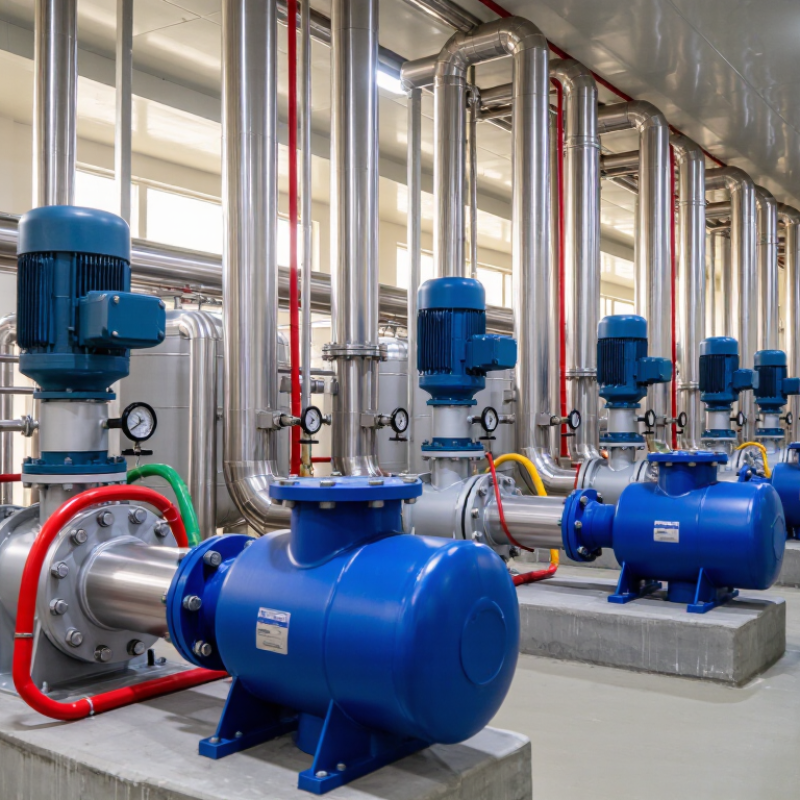
China’s chemical metering pump manufacturers serve water treatment, process dosing, and laboratory applications. The practical challenge is maintaining ±1% accuracy across changing operating conditions. Flow requirements may range from 0.1 to 10,000 L/h, depending on pump design and application.
A reliable selection begins with the chemical, pressure, temperature, and required flow range. Diaphragm pumps can reduce leakage risks, while plunger designs may suit higher-pressure duties.
Technicians should verify calibration using the actual fluid, not only clean water. Small errors matter. A dense chemical can change suction behavior, especially through narrow tubing or long pipelines.
In field testing, accuracy often depends on installation quality. Pulsation dampeners, back-pressure valves, and stable suction lines can improve dosing consistency. Digital controls may support automatic adjustment, but sensors still need regular inspection. ±1% accuracy is possible, not guaranteed. A pump rated for 0.1 L/h may struggle if the feed line contains air bubbles. A 10,000 L/h system may require stronger materials and careful hydraulic planning. Datasheets help, but they do not replace operating trials. Some specifications also reflect ideal laboratory conditions, which deserves closer review before purchase.
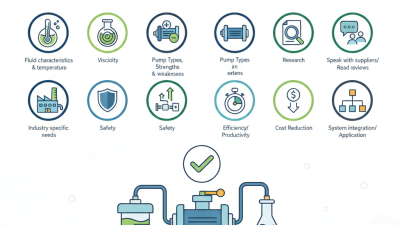
How to Evaluate China’s Top Manufacturers: API 675 and ISO 9001
China Top Chemical Metering Pump Manufacturers?
Evaluating a chemical metering pump manufacturer requires more than comparing prices. API 675 is a practical starting point for controlled-volume reciprocating pumps. Check repeatability, pressure stability, leakage control, pulsation behavior, and relief protection. Ask for design calculations and documented performance tests. A serious supplier should explain how each pump handles continuous dosing under changing discharge pressure. Factory acceptance testing should include calibrated instruments, clear test conditions, and traceable records. Details matter.
ISO 9001 shows whether quality processes are managed consistently, but certification alone proves little. Review the certificate scope and confirm it covers pump design, machining, assembly, and testing. Examine material certificates, welding records, calibration logs, and nonconformance reports. Production traceability should connect the pump serial number with critical components and inspection results. During a factory visit, observe final assembly and test procedures. I have found that clean documentation often reveals more than polished presentations. Still, documentation can contain gaps, so independent verification remains valuable.
Tips: Request an API 675 compliance matrix, not a general promise. Compare actual test data with the required flow, pressure, and stroke range. Check whether seals, diaphragms, valves, and spare parts are available for your operating conditions. Ask who handles commissioning and technical support after delivery. Do not ignore small inconsistencies in drawings or certificates. They may be harmless, but they deserve a clear explanation. Consider a witnessed test before shipment, especially for critical dosing service.
Leading Chinese Brands by Pressure Range: Up to 400 bar
China Top Chemical Metering Pump Manufacturers?
Chinese chemical metering pump manufacturers now cover a wide pressure spectrum, from compact dosing units below 10 bar to engineered systems reaching 400 bar. Low-pressure models often suit water treatment and light chemical injection. Medium-pressure pumps, commonly rated from 10 to 100 bar, support boiler treatment, process control, and industrial cleaning. At the upper end, plunger and hydraulic diaphragm designs can handle demanding injection duties. These pumps need accurate flow control, strong sealing, and carefully selected wetted materials.
Pressure ratings require close inspection. A pump marked for 400 bar may not deliver that pressure at its maximum flow. Ask for a performance curve, pulsation data, material certificates, and traceable calibration records. Factory acceptance testing should verify flow, pressure stability, leakage, and motor protection. Small details matter. A stainless-steel head may resist one chemical but fail against another concentration or temperature. Request a chemical compatibility review before ordering.
In practical sourcing, compare technical evidence rather than catalogue language. Reliable manufacturers should explain diaphragm life, plunger coating, valve design, spare-part availability, and service response. I would also inspect test reports and sample units when the application is critical. Some suppliers communicate well but provide incomplete fatigue data. That is a warning, not an automatic rejection. A pilot test at actual viscosity and back pressure can reveal unstable dosing, noisy valves, or unexpected maintenance needs.
China Top Chemical Metering Pump Manufacturers? - Leading Chinese Brands by Pressure Range: Up to 400 bar
| Pressure Range | Common Pump Configuration | Typical Capacity Range | Typical Flow Accuracy | Recommended Wetted Materials | Typical Applications | Key Selection Checks |
|---|---|---|---|---|---|---|
| 0–10 bar | Solenoid-driven diaphragm or small mechanical diaphragm pump | Approximately 0.1–100 L/h | Typically ±1–2% of rated flow after calibration | PVC, PP, PTFE, PVDF, or 316L stainless steel | Water treatment, pH correction, hypochlorite dosing, and laboratory systems | Chemical compatibility, minimum controllable flow, pulse dampening, and ingress protection |
| 10–25 bar | Motor-driven mechanical diaphragm or plunger metering pump | Approximately 1–500 L/h | Typically ±1% of rated flow under stable conditions | PTFE-lined heads, PVDF, 316L stainless steel, or alloy materials | Boiler-water treatment, cooling-water dosing, disinfection, and chemical blending | Motor speed control, stroke adjustment, back-pressure stability, and valve design |
| 25–50 bar | Hydraulic-diaphragm or heavy-duty plunger pump | Approximately 5–2,000 L/h | Typically ±1% with calibrated stroke or speed control | 316L stainless steel, PTFE, Hastelloy, titanium, or corrosion-resistant alloys | Chemical processing, polymer additives, fertilizer production, and industrial wastewater | Diaphragm integrity, relief-valve setting, NPSH availability, and slurry handling |
| 50–100 bar | Hydraulic-diaphragm, packed-plunger, or process plunger pump | Approximately 10–5,000 L/h | Typically ±0.5–1% when correctly sized and calibrated | 316L stainless steel, duplex steel, PTFE, Hastelloy, or ceramic components | High-pressure water injection, oil and gas chemicals, refining, and process additives | Seal or diaphragm design, pulsation control, pressure relief, and fatigue-rated components |
| 100–200 bar | High-pressure hydraulic-diaphragm or reciprocating plunger pump | Approximately 1–1,000 L/h | Typically ±0.5–1%, depending on process conditions | 316L or duplex stainless steel, nickel alloys, PTFE, and engineered ceramics | Hydrocarbon processing, boiler-feed chemicals, high-pressure injection, and catalyst dosing | Maximum allowable working pressure, pulsation dampener rating, and hazardous-area motor options |
| 200–300 bar | Specialized high-pressure plunger or hydraulic-diaphragm metering pump | Approximately 0.5–500 L/h | Commonly ±0.5–1% after factory or site calibration | Forged stainless steel, duplex steel, nickel alloys, PTFE, and carbide or ceramic parts | High-pressure process injection, specialty chemicals, petrochemicals, and research systems | Pressure cycling, plunger packing, check-valve response, thermal expansion, and material stress |
| 300–400 bar | Engineered high-pressure plunger or hydraulic-diaphragm metering system | Approximately 0.1–200 L/h | Typically ±0.5–1% with application-specific calibration | High-strength stainless steel, duplex steel, nickel alloys, PTFE, and tungsten-carbide or ceramic wear parts | Specialty chemical injection, high-pressure laboratory testing, petrochemical service, and critical dosing systems | Certified pressure boundary, redundant overpressure protection, fatigue analysis, leak detection, and commissioning support |
Note: The figures shown are representative engineering selection ranges for chemical metering pump configurations available in the Chinese and international markets. Actual pressure, flow, accuracy, materials, and certification depend on the pump model, liquid properties, temperature, viscosity, installation conditions, and applicable standards.
Solenoid, Plunger, and Diaphragm Pumps: Technology Comparison
China Top Chemical Metering Pump Manufacturers?
Solenoid, plunger, and diaphragm pumps serve different chemical dosing conditions. Solenoid pumps use electromagnetic pulses to move a small diaphragm. They are compact, economical, and suitable for water treatment lines with moderate flow requirements. Their output can respond quickly to a 4–20 mA signal. However, pulse frequency, suction lift, and fluid viscosity can limit performance. Short lines matter.
Plunger pumps use a mechanical piston to create higher pressure and steadier flow. They fit demanding systems, such as boiler treatment or industrial cleaning, when the liquid is compatible with wetted materials. A relief valve is essential because blocked discharge lines can create dangerous pressure.
Diaphragm pumps isolate the process liquid from the drive mechanism. This design helps when dosing corrosive liquids, including diluted sodium hypochlorite or acids. Double-diaphragm models can also reduce leakage risk, but they may introduce more pulsation and require careful air removal.
When evaluating Chinese manufacturers, inspect material certificates, calibration records, factory testing, and spare-part availability. Ask for performance data at your actual pressure, temperature, and viscosity. A catalog number alone proves little.
In practical installations, operators often select a pump by flow rate first, then discover that suction conditions cause unstable dosing. I made that assumption once during a pilot setup. The pump met its rated capacity, yet the long suction tube caused visible air pockets. A shorter line, proper foot valve, and slower initial stroke corrected most of the problem. Not perfectly. Field conditions still deserve measurement.
Buyer’s Checklist: Materials, IP65 Protection, and ±1% Repeatability
Choosing a chemical metering pump from China requires more than comparing flow rates and prices. In field installations, wetted materials often decide service life. For acids, engineers should check the diaphragm, pump head, valves, and seals separately. PTFE handles many aggressive chemicals, while PVC, PVDF, or stainless steel suit different temperatures and concentrations. Material charts are useful, but they cannot replace compatibility testing. Ask for actual test data, not a copied catalogue table. Small detail.
IP65 protection matters where dust and low-pressure water spray reach dosing equipment. Inspect the enclosure, cable glands, terminal cover, and motor connection. A pump can carry an IP65 label yet fail after poor installation or damaged seals. Request an inspection report, ingress test method, and clear maintenance instructions. In my experience, correct gland tightening prevents many avoidable faults. Still, IP65 does not confirm chemical resistance. Keep those checks separate.
For ±1% repeatability, distinguish accuracy from repeatability. A pump may deliver consistent doses while its actual output remains offset. Ask manufacturers to define test conditions, back pressure, stroke length, and calibration fluid. Require batch records and a witnessed test at the operating point. Watch for pulsation, temperature drift, and suction lift. These variables expose weak controls. Be cautious with absolute claims. Even a well-built pump needs calibration, stable piping, and trained operators. That part is often underestimated.
Related Posts
-
10 Essential Tips for Choosing a Chemical Metering Pump
-
Why Choose a Chemical Metering Pump for Precise Liquid Handling in Your Industry
-
Understanding the Importance of Chemical Metering Pumps in Industrial Applications
-
Best Chemical Metering Pumps for Precision in Your Industry?
-
Maximizing Efficiency in Industrial Processes with Advanced Electric Chemical Injection Pumps
-
How to Choose the Right Chemical Metering Pump for Your Needs?

Whether your solution requires a single pumping application or an expansive engineered system,
CheckPoint is committed to becoming your partner in excellence.