What Are the Top Electric Chemical Pump Types in 2026?
In 2026, choosing an electric chemical pump is less about finding one “best” design and more about matching the pump to the liquid and the job. A clear, low-viscosity dosing solution may call for a different mechanism than a thick fluid containing suspended particles. Even a small mismatch can mean unstable flow, faster wear, or extra maintenance. Details matter.
This guide compares common pump types, including magnetic-drive, diaphragm, peristaltic, and centrifugal designs. Each handles flow, pressure, and chemical exposure differently. A magnetic-drive pump can reduce leakage points, while a diaphragm pump is often used for controlled dosing. Peristaltic models move liquid through flexible tubing, which makes tube selection and replacement important. Centrifugal pumps suit many transfer tasks, but their output can change with system conditions. No type wins every time.
The useful starting point is the actual duty: chemical compatibility, required flow rate, discharge pressure, temperature, and solids content. Check wetted materials against the manufacturer’s compatibility data, rather than relying on a broad label such as “chemical resistant.” Also consider how the pump will be cleaned and serviced. A compact unit may fit neatly beside a tank, yet prove awkward to maintain. That gets overlooked. The comparisons ahead are intended to clarify trade-offs, not replace application-specific engineering review. Real installations can be messy, and published specifications do not answer every question. When operating conditions are uncertain, verify them before selecting a pump.
Electric Chemical Pumps: Definition and Core Components
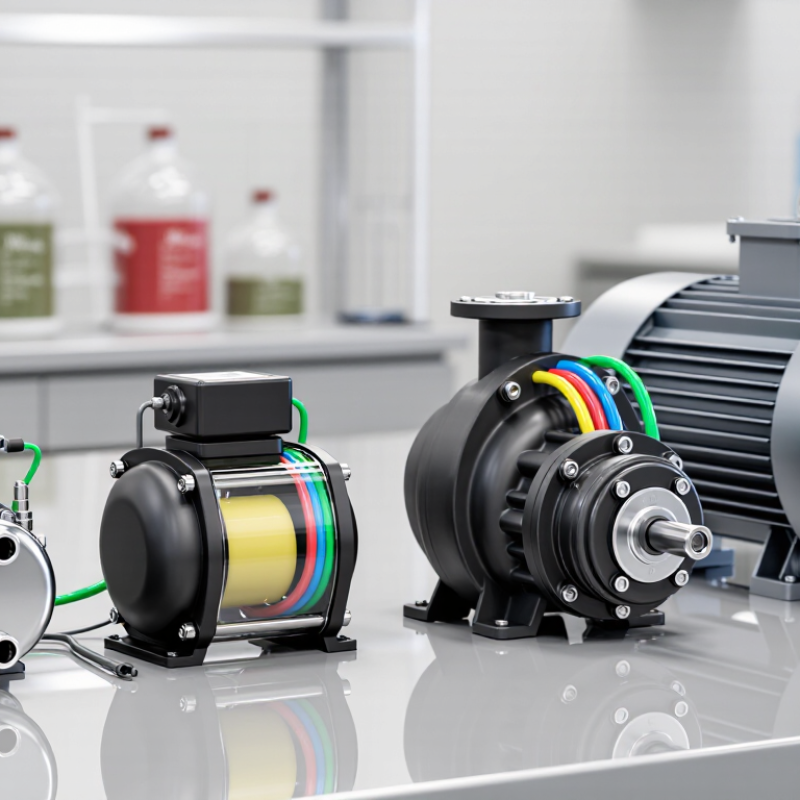
An electric chemical pump moves liquid using power from an electric motor. It is designed for fluids that may be corrosive, viscous, or sensitive to contamination. The exact design depends on the liquid, required flow rate, pressure, and operating conditions. One pump cannot safely handle every chemical. That matters.
Core components include the motor, pump head, wetted parts, and a drive or control system. In a centrifugal model, an impeller pushes liquid through the casing. In a diaphragm model, a flexible diaphragm moves liquid through check valves. These mechanisms serve different duties, so selection should start with the application, not appearance.
Wetted parts are the components that contact the liquid, such as the casing, diaphragm, valves, and seals. Their materials must be compatible with the chemical and its temperature. A seal that works in a cool, dilute solution may fail in a hotter or more concentrated one. Small details count. Connections, inlet piping, and ventilation also affect dependable operation. Controls may regulate speed or monitor pressure, while sensors can help reveal dry running or unusual conditions. Even careful specifications can miss real-world variations in fluid composition. Reviewing compatibility with current technical data is prudent, and periodic inspection remains necessary.
How Electric Chemical Pumps Move Chemical Fluids
What Are the Top Electric Chemical Pump Types in 2026?
Electric chemical pumps convert motor power into controlled fluid movement. In a centrifugal pump, a spinning impeller accelerates liquid outward, and the casing directs it into the discharge line. The result is generally a steady flow. This design can suit transfer tasks, but thick liquids or poor suction conditions may reduce performance. Tiny bubbles matter.
A diaphragm pump works through repeated strokes. An electric motor drives a mechanism that flexes a diaphragm, while inlet and outlet check valves guide the liquid in one direction. This action supports measured dosing and can accommodate corrosive fluids when the wetted materials are compatible. Pulses may show up in narrow tubing. A dampener can soften them, but adds parts.
Peristaltic pumps move fluid by compressing flexible tubing with rotating rollers. The liquid touches the tube, not the pump mechanism, so tubing compatibility and replacement intervals deserve attention. Magnetic-drive centrifugal pumps use magnets to turn an impeller without a conventional shaft seal. That can reduce leak paths, though it does not make every material suitable for every chemical. A rated flow is not a promise. Check viscosity, temperature, suction lift, and chemical compatibility under actual operating conditions; one detail is easy to miss.
How Electric Chemical Pumps Move Chemical Fluids
This schematic shows typical flow behavior, not measured performance data. Centrifugal pumps generally deliver continuous flow; positive-displacement designs such as diaphragm and peristaltic pumps can produce pulsating flow. Actual behavior depends on pump design and operating conditions.
Centrifugal and Magnetic-Drive Pump Types
Centrifugal and magnetic-drive pumps are common choices for moving process chemicals, but they suit different operating conditions. A standard centrifugal pump uses a rotating impeller to convert motor energy into liquid flow. It often works well with relatively clean, low-viscosity fluids and steady demand. Flow changes when system resistance changes, so pump selection should consider the full operating range, not just a catalog rating. Small detail, big impact.
Magnetic-drive pumps are a type of centrifugal pump. Magnets transfer torque through a containment shell, avoiding a conventional shaft seal. This design can reduce leak paths when handling corrosive liquids. It does not make every installation risk-free. Dry running, excess heat, or unsuitable solids can damage internal components, and the fluid must help carry away heat in many designs. Check the pump’s operating limits against the actual liquid and duty cycle.
In practice, compare required flow, discharge pressure, liquid temperature, viscosity, and chemical compatibility. Also check suction conditions; inadequate available pressure can cause cavitation, with noise, vibration, and impeller wear. A common selection mistake is choosing by pipe size alone. It is easy to overlook startup frequency or changing batch demand, and that can lead to poor performance. Leave room for operating variation, but avoid oversizing without a clear reason.
Diaphragm, Peristaltic, and Metering Pump Types
Electric chemical pumps are not interchangeable, even when their flow rates look similar on paper. Diaphragm pumps move liquid with a flexible membrane, keeping the pumped fluid separate from many drive components. They suit controlled dosing and can handle corrosive liquids when wetted materials are selected carefully. Check the chemical compatibility chart, seals, and pressure limits before installation. Fit matters.
Peristaltic pumps squeeze a replaceable tube with rollers, so the liquid contacts the tubing rather than the pump head. This can simplify cleaning and reduce contamination concerns. But tubing wears, and chemical exposure, temperature, and frequent cycling affect its service life. Watch the tubing. A spare length nearby may prevent an avoidable shutdown.
Metering pumps are designed to deliver a measured volume at a set rate; they may use diaphragm or piston mechanisms. That distinction matters when comparing specifications. For each application, check required accuracy, back pressure, viscosity, and whether the fluid contains particles. A catalog flow rate is not a field guarantee. Actual performance can shift with installation and operating conditions, so verify delivery under realistic settings and recalibrate as needed. No choice is universal.
How to Compare Electric Chemical Pumps in 2026
Comparing electric chemical pumps in 2026 starts with the liquid, not the catalog.
Check its viscosity, temperature, solids, and chemical compatibility with every wetted component. A material chart is useful, but confirm it against the actual concentration and operating conditions. Small details matter.
Diaphragm metering pumps suit controlled dosing where adjustable output and repeatability are priorities. Magnetic-drive centrifugal pumps can provide steady transfer with no shaft seal, but flow may change with system resistance. Peristaltic pumps move liquid through flexible tubing, which can simplify fluid contact and servicing; tubing life needs close attention. Fit matters more.
Compare the required flow and discharge pressure at the same operating point, rather than relying on maximum ratings alone. Review turndown, control options, priming behavior, leak detection, and the time needed for routine maintenance. Ask how the pump performs during startup and brief interruptions. These are often overlooked. A pump that handles a clean test liquid may behave differently with a viscous or crystallizing process fluid. If possible, request a trial using representative conditions and record flow, temperature, and wear over time. The right choice is rarely obvious from pump type alone.